
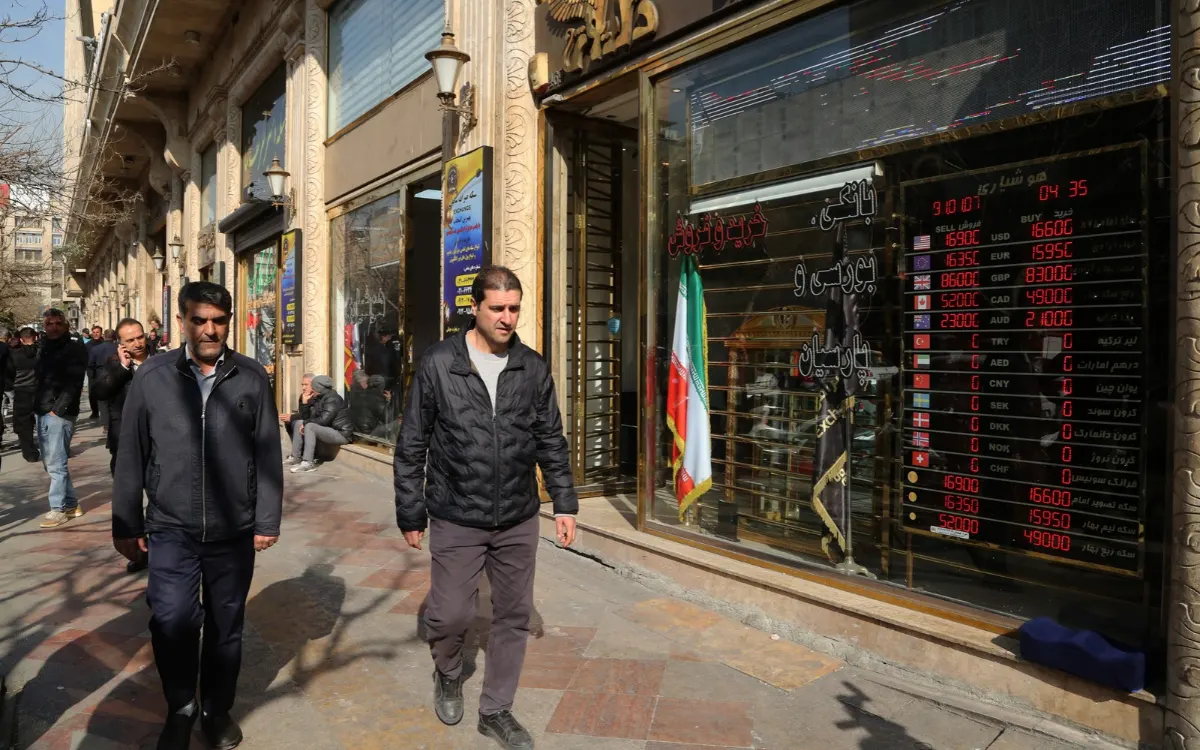
Iran’s rial plunged to a new low on Tuesday following fresh U.S. sanctions targeting the country’s financial networks, intensifying pressure on an economy already strained by nearly nine months of regional war. The depreciation highlights the growing pressure on Iran’s access to foreign currency as Washington targets the financial networks Tehran relies on to sustain trade and repatriate export revenues. The U.S. Treasury sanctioned more than two dozen Iranian exchange houses, alleged front companies, and individuals on Monday, accusing them of facilitating transactions through a shadow banking network overseen by Iran’s central bank. By Tuesday afternoon, the dollar had climbed approximately five percent to 2.82 million rials on the black market, compared with 2.68 million on Monday, while the euro rose from 2.94 million to 3.07 million rials.
Central Bank Governor Abdolnaser Hemmati dismissed the measures, arguing that Washington had “run out of targets” and was now sanctioning a legitimate transaction registration platform. The U.S. Treasury’s Office of Foreign Assets Control countered that the Iran Center for Exchange “plays matchmaker and guides these funds to their ultimate destination inside Iran.”
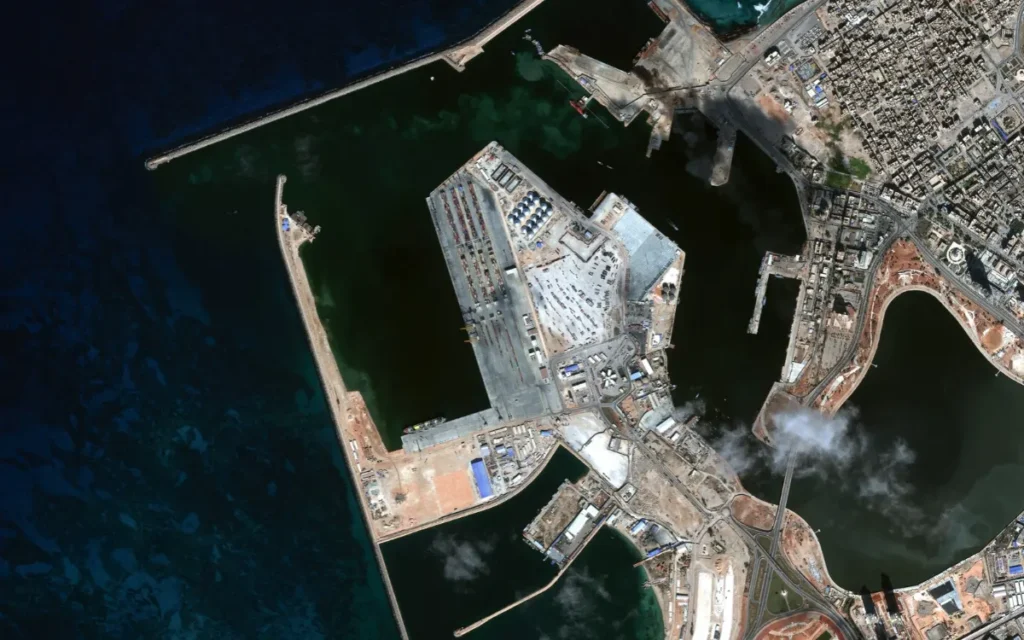
The sanctions come nearly nine months after U.S.–Israeli strikes on February 28 killed Supreme Leader Ayatollah Ali Khamenei, triggering a regional conflict involving Iranian missile and drone retaliation and attacks by Tehran-aligned groups in Lebanon, Yemen, and Iraq. Since August, Washington has intensified its economic pressure campaign, targeting financial intermediaries and overland trade routes while maintaining a naval blockade of Iranian ports. The measures seek to constrain Tehran’s access to oil revenues and international financial channels as Iran’s effective blockade of the Strait of Hormuz continues to disrupt a critical global energy corridor. Iran’s reliance on informal financial networks reflects longstanding restrictions on its access to conventional international banking systems. Targeting these networks could further complicate payments for imports, increase transaction costs, and deepen pressure on domestic purchasing power.
The next critical indicators will be whether the rial stabilizes, whether Iranian importers encounter sustained payment disruptions, and whether Washington expands sanctions against additional financial intermediaries. Continued depreciation could amplify inflationary pressures and domestic economic grievances, while further restrictions on trade financing may increase Tehran’s incentive to seek alternative payment channels or retaliatory economic measures. (AFP+EIR)