
Japan announced Tuesday that it would accelerate its financial contributions to the International Criminal Court (ICC), highlighting growing divisions over international justice as the United States imposes sanctions on the tribunal and joins China and Russia in questioning its jurisdiction. Tokyo’s decision underscores differences among major powers and even close U.S. allies over the future of international legal institutions.
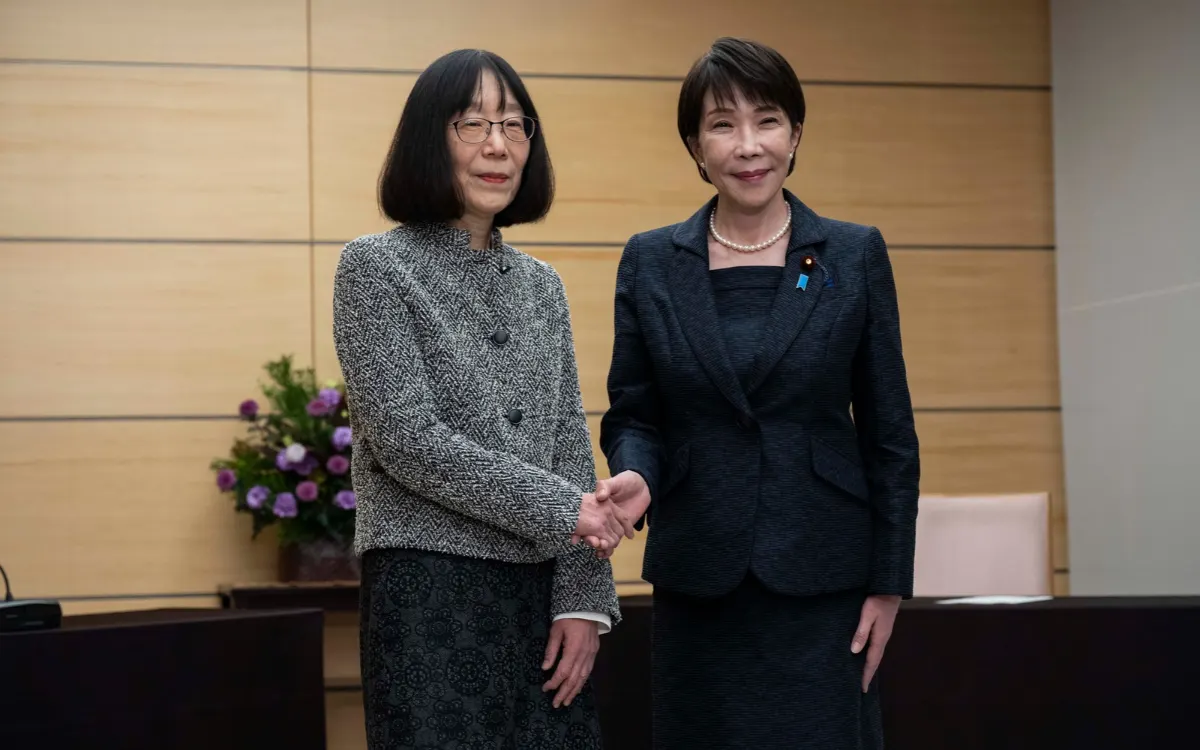
Following a meeting between Japanese Prime Minister Sanae Takaichi and ICC President Tomoko Akane on November 24, Tokyo said it would pay its full 2027 contribution by the end of 2026 to support the court’s operations. Japan, the ICC’s largest financial contributor, is advancing its funding after sweeping U.S. sanctions imposed in October raised concerns about the tribunal’s access to banking services and its ability to cover operational expenses.
Takaichi told Akane that Japan would “continue to strongly support the ICC and President Akane in order to enable the ICC to fulfill its role and functions as originally envisaged,” according to Japan’s Foreign Ministry. Akane, who has also been personally sanctioned by Washington, said the court would use the funds to ensure its survival and pay staff salaries and other expenses. The statements underline Japan’s commitment to an institution facing increasing pressure from the United States.
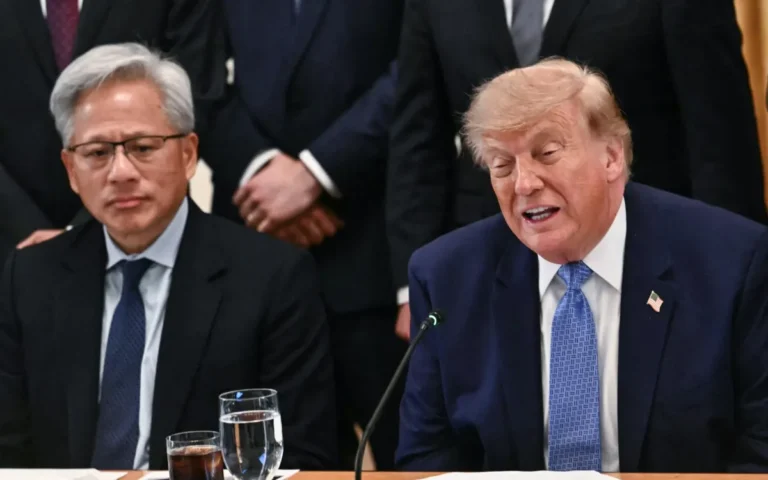
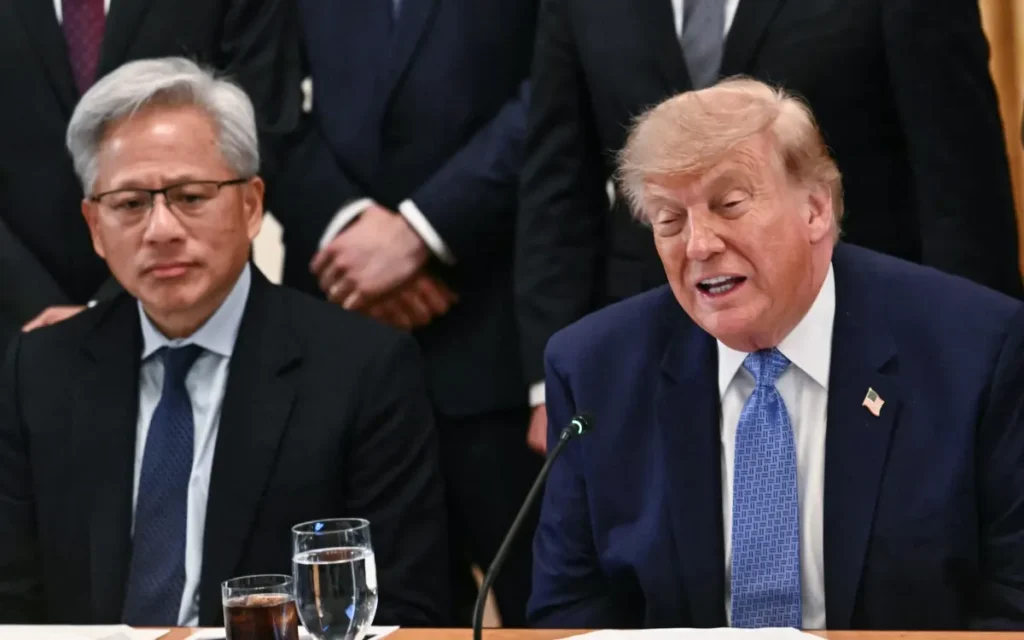
At a November 19 summit in Shenzhen, U.S. President Donald Trump, Chinese President Xi Jinping, and Russian President Vladimir Putin issued a joint declaration emphasizing state consent and respect for the immunity of government officials. The three leaders agreed that the ICC and similar institutions “must not abuse their jurisdiction,” reflecting a shared challenge to aspects of the court’s authority despite their differing geopolitical interests. The declaration also called for reforms to the United Nations, placing the dispute over international justice within a broader debate about global governance.
China has separately promoted its Global Governance Initiative, which advocates greater representation for developing countries, sovereign equality and reforms to existing international institutions. Beijing presents the proposal as an effort to improve the international system rather than replace the United Nations-centered order. Japan’s accelerated ICC funding, meanwhile, illustrates how disagreements over sovereignty, accountability and international justice are increasingly cutting across traditional alliances, raising questions about the future authority and effectiveness of international legal institutions. (AFP+EIR)