
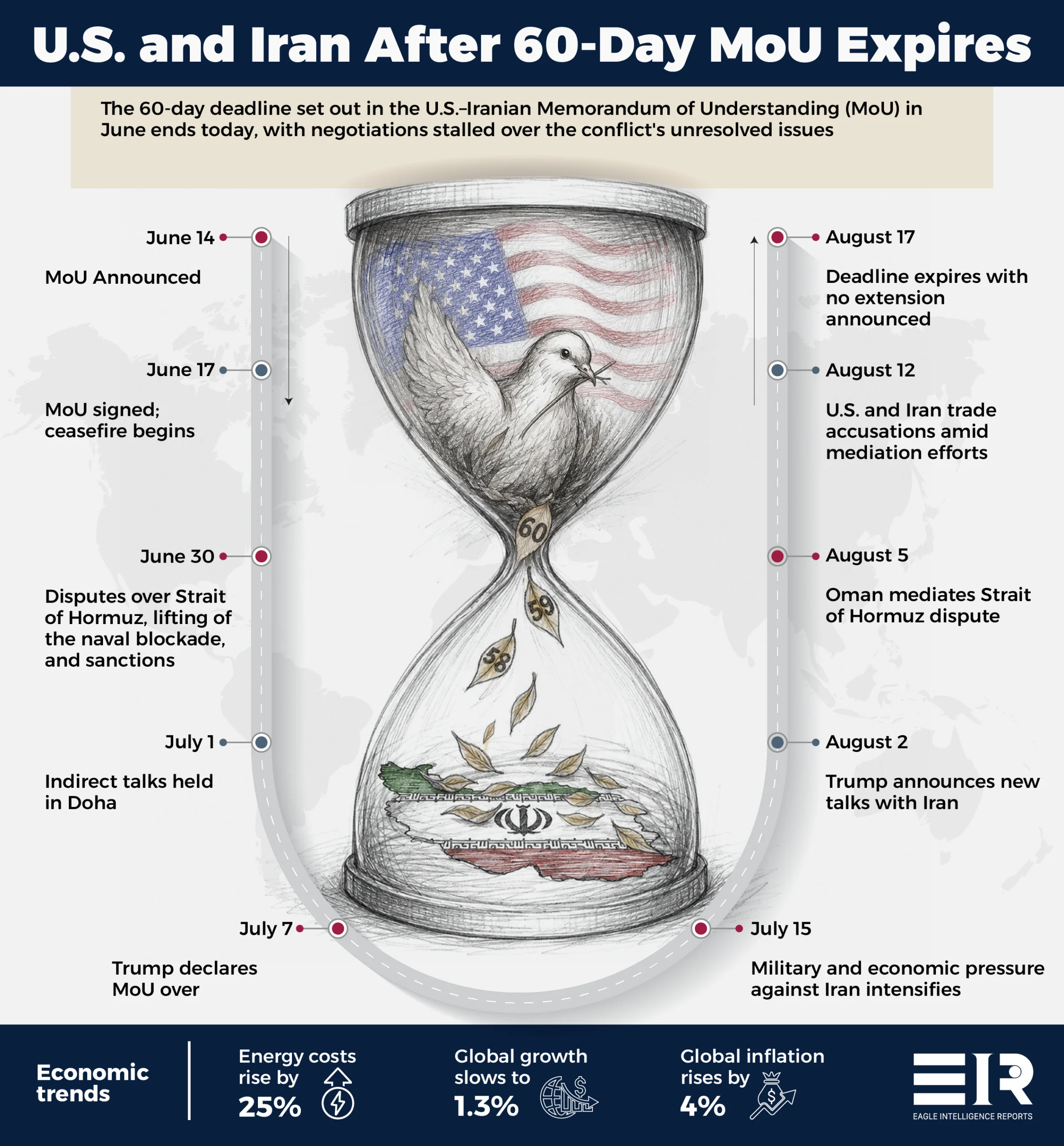
The 60-day deadline set out in the U.S.–Iranian Memorandum of Understanding (MoU) signed in June expires on August 17, with negotiations stalled over key issues and no extension announced.
The MoU followed a period of direct military confrontation between the United States and Iran and was intended to provide a framework for a ceasefire and negotiations toward a broader settlement. The agreement was announced on June 14 and signed three days later alongside a cessation of hostilities.
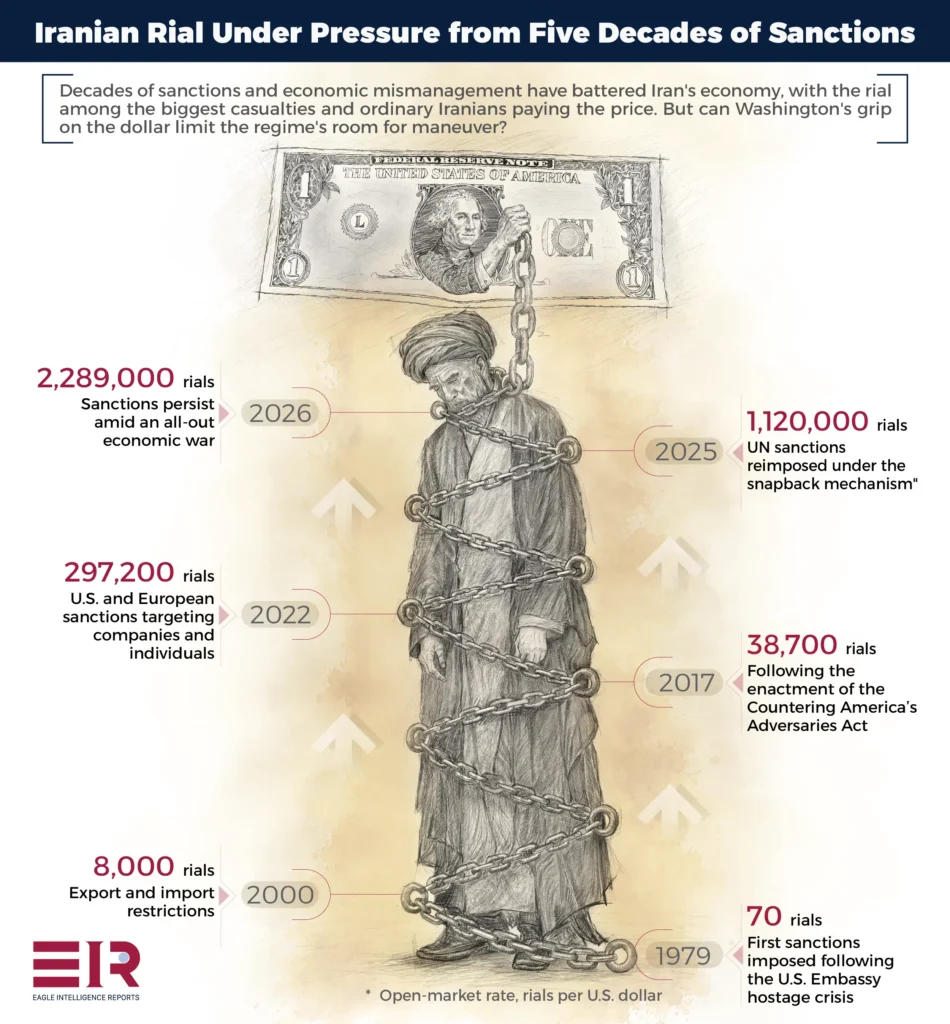
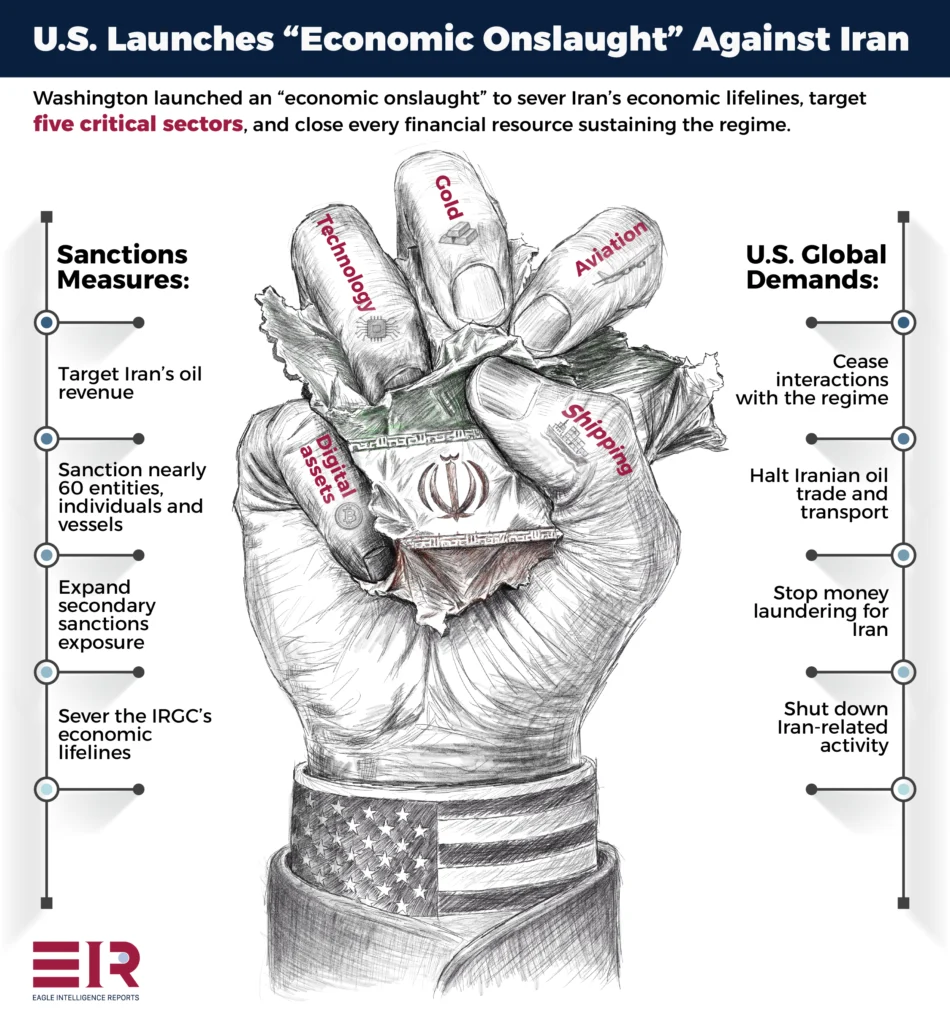
The initial de-escalation soon gave way to disagreements over the terms of a longer-term settlement. By June 30, the two sides were publicly at odds over the Strait of Hormuz, the naval blockade, and the lifting of sanctions. Indirect negotiations were held in Doha on July 1, but failed to resolve the principal disputes.
On July 7, President Donald Trump said he thought the MoU “over,” saying Tehran could not be trusted to uphold a deal. Although limited diplomatic efforts continued, military and economic pressure subsequently intensified before Trump announced new talks with Iran on August 2.
Oman then stepped up mediation efforts, particularly over arrangements concerning the Strait of Hormuz, which remained one of the central points of contention. Those efforts failed to produce a breakthrough. By August 12, Washington and Tehran were again trading accusations as mediators sought to prevent renewed escalation.
The deadline now arrives without an announced extension or agreement on the central disputes.
The period that began with a ceasefire and expectations of negotiations has instead moved through stalled talks, renewed pressure, and repeated attempts at mediation.
The 60 days have also coincided with wider economic pressures, including higher energy costs, weaker global growth, and rising inflation. Continued uncertainty surrounds the Strait of Hormuz, and the risk of renewed escalation remains an important variable for global energy markets.
The expiration of the deadline does not necessarily mark the end of diplomacy. The immediate strategic question is whether Washington and Tehran can successfully establish another negotiating framework—or whether the end of the 60-day period will be followed by renewed armed confrontation. If the last two months are any guide, there is reason for doubt.