
Projection Shows Swiss Reject Plan to Toughen Neutrality

By
Swiss Reject Plan to Toughen Neutrality: Projection
Share:

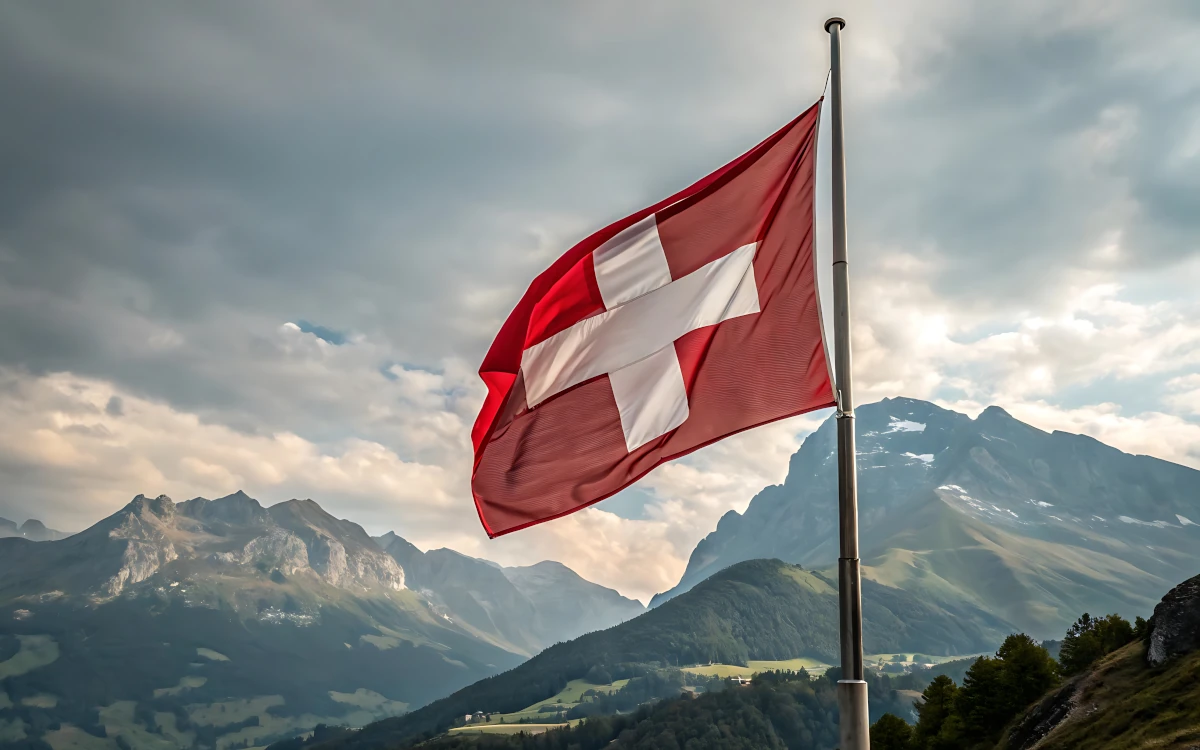
Swiss voters on Sunday appeared to reject a proposal to tighten their country’s neutrality, dealing a blow to an initiative championed by the hard-right and dubbed “pro-Russian” by opponents, according to an initial exit poll projection.

The Swiss widely embrace their neutrality, but the initiative to enshrine a strict definition into the constitution exposed deep disagreement over what that neutrality entails.

The proposal was rejected by 71 percent of voters, according to an initial projection by polling institute gsf.bern published 30 minutes after the last polling stations closed.

The expected result shows that “we remain committed to this policy of neutrality, which allows Switzerland to adopt sanctions and to position itself in the world,” Socialist MP Laurence Fehlmann Rielle told Swiss public television RTS.

Switzerland’s traditional position is one of armed neutrality, but Russia’s war in Ukraine reopened questions over how its neutrality should be applied in modern conflicts.

Concerned over Bern’s decision to back the European Union’s economic pressure on Russia, the pro-sovereignty Pro Switzerland organization collected enough signatures to trigger a referendum under the country’s direct democracy system on better anchoring neutrality in its constitution.

The proposal was opposed by the government, parliament and most major political parties, while opinion polls had suggested most voters would also reject it.

Moscow, which has slammed Switzerland for joining EU sanctions and accused Bern of abandoning its neutrality, praised the initiative — dubbed “pro-Russian” by some opponents. The proposal called for the constitution to guarantee that Swiss neutrality is “armed and perpetual”.

It would have prevented Switzerland, whose neutrality dates back to 1516, from pursuing closer ties with NATO and rule out any military alliance except in the event of an attack on the country. It would have also prohibited the imposition of sanctions unless called for by the United Nations. (AFP)

Eagle Intel Report authors
EIR

Eagle Intelligence Reports is a trusted global platform specializing in delivering insightful political and strategic analysis as well as exclusive intelligence to decision-makers, researchers, and audiences engrossed in modern international affairs.

SIGN UP FOR FREE TO EAGLE INTELLIGENCE REPORTS

Exclusive Insights & Reports

Get access to in-depth analysis, exclusive intelligence, and expert reports designed to keep you informed and ahead of the curve on the most important global developments.

By signing up, you agree to our Privacy Policy.

What to read next...
Plot Targeting RAF Fairford Base in Britain Foiled
By
Tehran Stands Firm on Hormuz Plan After U.S. Rejection
By
Iran Seeks Leverage as War Pressure Deepens
By
Trump Decides to Grant Ukraine Patriot Production License
By
UN Speeches Expose Widening Divide Over Israel
By
Germany’s Recovery Tests Merz Amid Wartime Pressures
By
Russian Security Threat Collides with Renewed U.S. Diplomacy 
By
Iran Raises Escalation Stakes Amid Renewed Diplomacy
By

SIGN UP FOR FREE TO EAGLE INTELLIGENCE REPORTS

Exclusive Insights & Reports

Get access to in-depth analysis, exclusive intelligence, and expert reports designed to keep you informed and ahead of the curve on the most important global developments.

By signing up, you agree to our Privacy Policy.

Eagle Intelligence Reports
Privacy Overview

This website uses cookies so that we can provide you with the best user experience possible. Cookie information is stored in your browser and performs functions such as recognising you when you return to our website and helping our team to understand which sections of the website you find most interesting and useful.