
South Korea said Friday it was weighing “contributions” to U.S. security efforts in the Strait of Hormuz, potentially including a military deployment, but noted that no decision has been made yet.
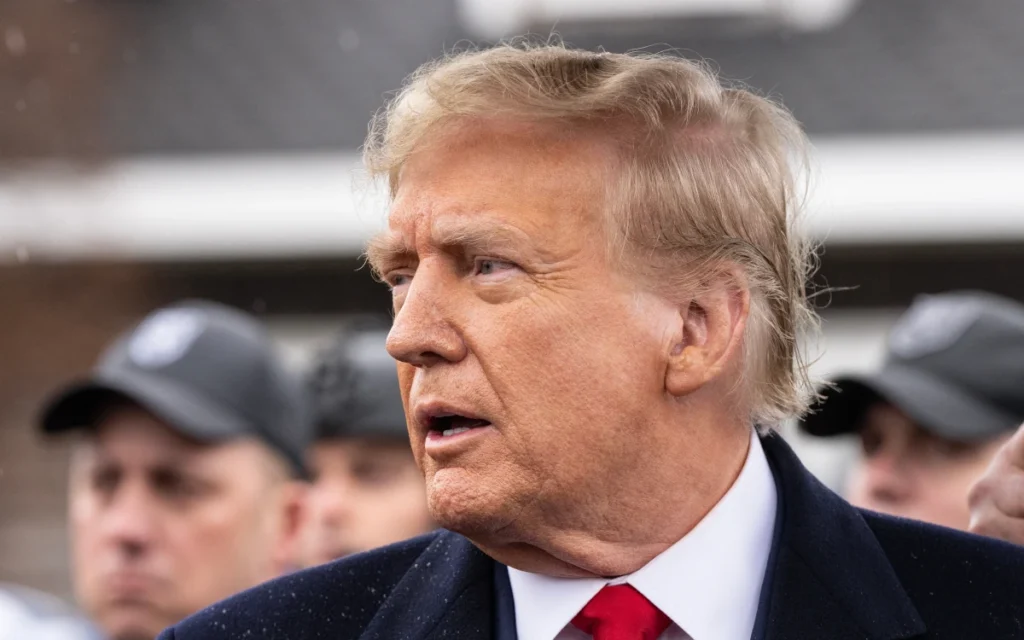
The comments come after persistent pressure from U.S. President Donald Trump to encourage ally South Korea’s help in the Iran war.
“Contributions to the Strait of Hormuz could be managed within limits that do not compromise military readiness,” a South Korean presidential official said. The president’s office added in a separate statement that the references regarding “military contributions—such as combat participation, non-combat roles, and search operations—were merely general descriptions of various options.” “Please be advised that nothing has been decided yet concerning actual contributions,” it said.
On Thursday, South Korean media reported that the government was “leaning toward” dispatching troops to the strait in the Middle East. A local broadcaster also reported that the defense ministry was considering deploying a maritime patrol aircraft, a naval logistics support ship, and an explosive ordnance disposal (EOD) team.
The deliberations follow Trump’s complaints last month that the United States had received “very little help” from other countries in the war, with the president singling out South Korea and saying he would remember its refusal.
Before the current crisis, around 60 to 70 percent of South Korea’s crude oil imports transited the Strait of Hormuz. Since February, Seoul has struggled to diversify its supply.
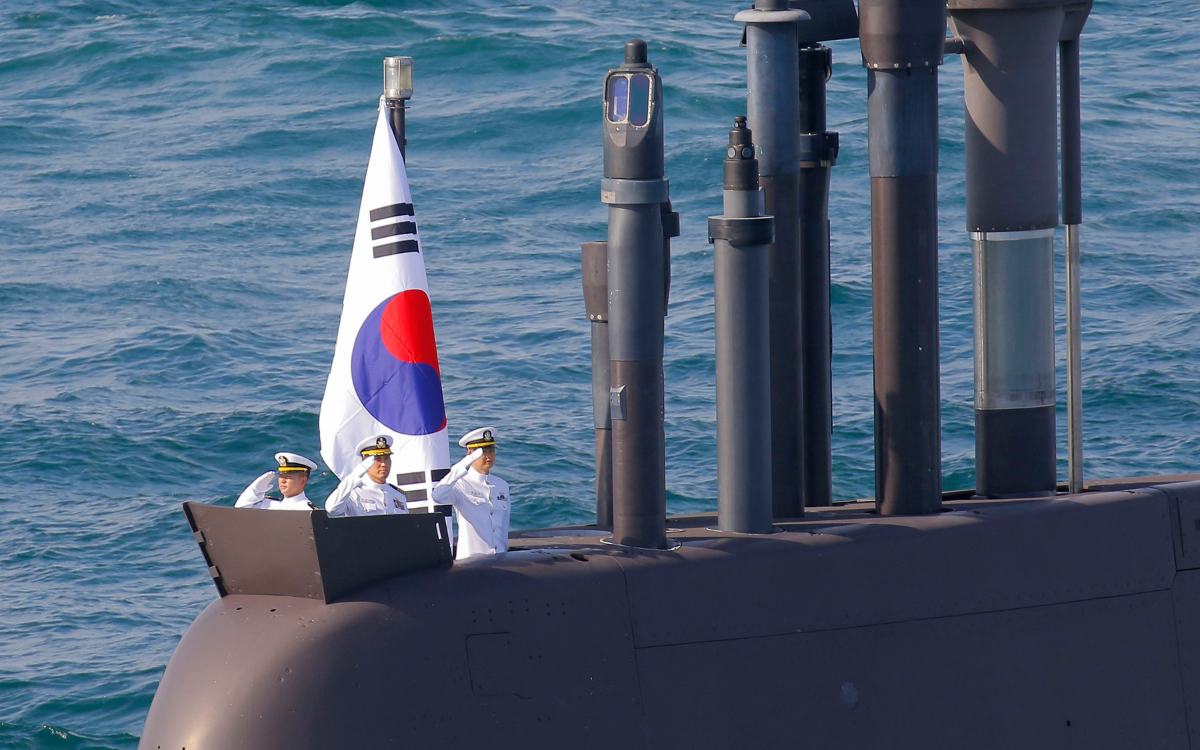
South Korea’s deliberations highlight the competing pressures facing U.S. allies as Washington seeks greater international support for operations around Hormuz. Any deployment would signal Seoul’s willingness to respond to U.S. burden-sharing demands, but the government will also have to balance that commitment against military readiness on the Korean Peninsula, particularly given the ongoing threat from North Korea. South Korea already maintains a regional military presence through the Cheonghae Unit, which has long operated in the Gulf of Aden region on anti-piracy and maritime-security missions. Any repositioning of existing South Korean assets in the region, or movement of additional naval and air capabilities toward the Gulf, could provide an early indication that Seoul is moving beyond political deliberations toward a Hormuz deployment. (AFP)