
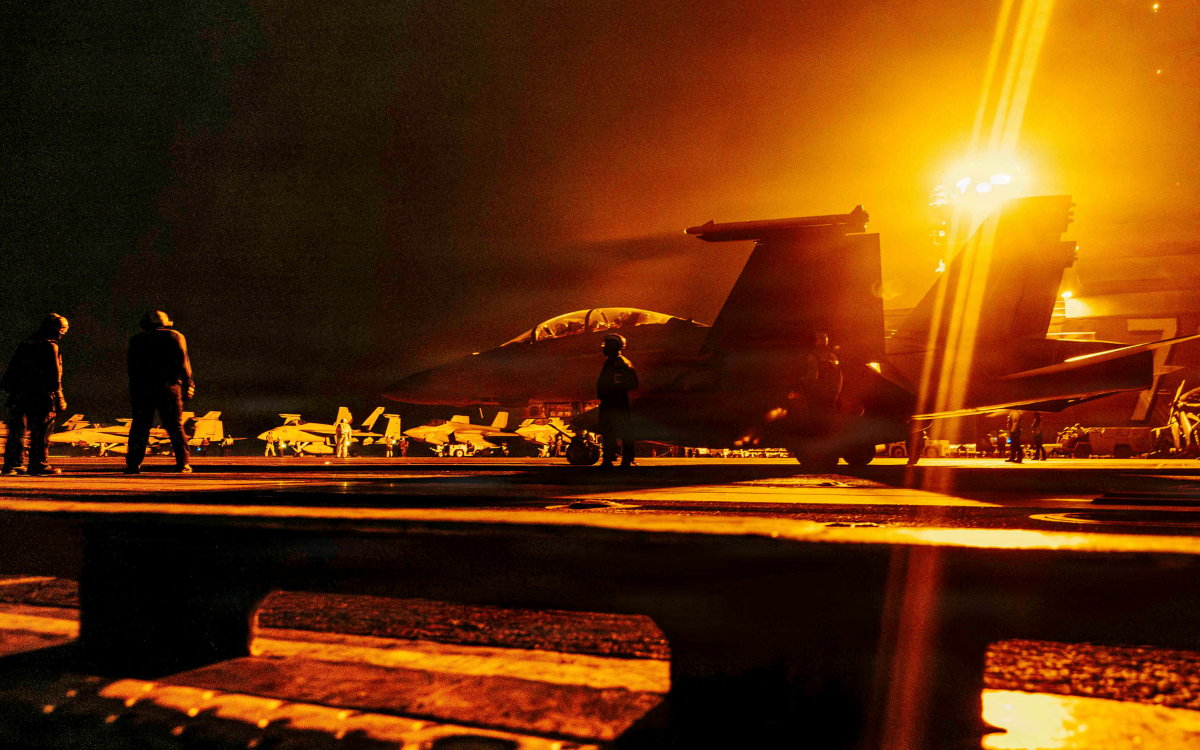
Iran’s army said it targeted U.S. bases in the United Arab Emirates and Kuwait on Thursday, despite threats of further strikes by U.S. President Donald Trump.
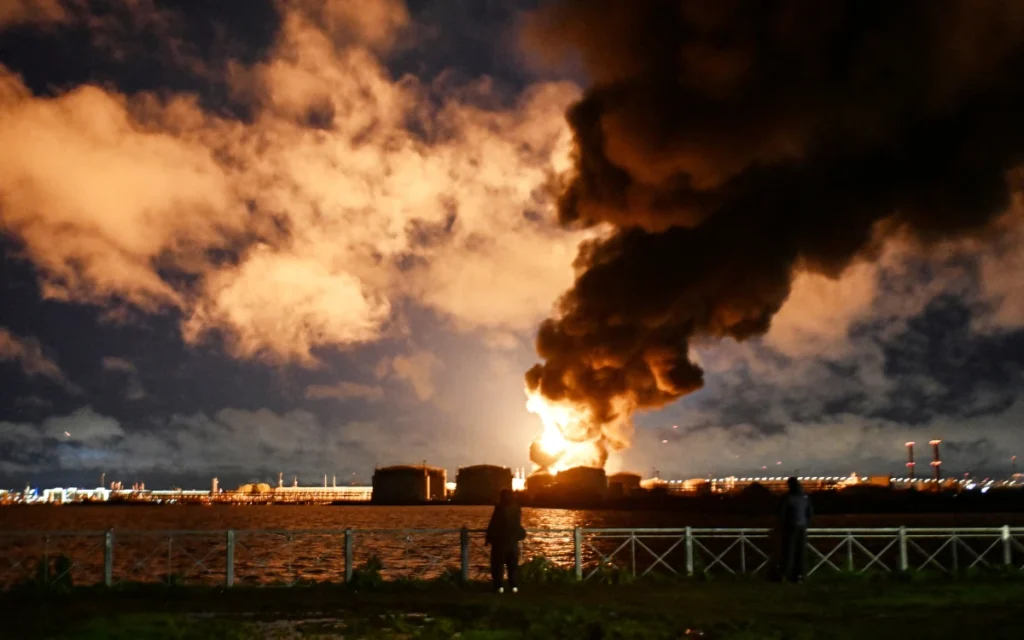
“This morning, the army hit the satellite communication systems, equipment depots, and fighter aircraft hangars of the terrorist US army at the Ahmad al-Jaber Air Base in Kuwait with missiles and drones,” Iran’s army said in a statement on state television. Kuwait’s foreign ministry slammed the Iranian strikes as a “direct threat to its security and stability.” Kuwait’s army said it was intercepting a missile and drone attack from Iran, with Iranian state television confirming Tehran was targeting U.S. bases in the Gulf state “in response to American crimes against the Iranian people.”
The latest round of fighting began when Washington hit Iranian targets on Sunday, the first known strikes in several weeks, saying it was trying to stop Tehran from placing sea mines in the Strait of Hormuz. Iran said Sunday’s strikes resulted in “casualties” and responded by targeting U.S.-linked targets in the Middle East. Despite the military escalation, Donald Trump suggested the latest U.S. attacks against Iran would likely be short-lived, prompting oil prices to fall.
The strikes on Kuwait are particularly significant because the country is a major logistics hub for U.S. military operations in the Gulf, making attacks there a direct challenge to Washington’s regional security architecture. The escalation could prompt Gulf states to reassess the risks of relying heavily on U.S. security guarantees, particularly if hosting American forces increasingly exposes them to direct Iranian retaliation.
The political calendar in Washington adds another dimension: the Trump administration may have an incentive to prevent the Iran war from becoming a prolonged conflict ahead of the November midterm elections, while Tehran may calculate that sustained attacks on U.S. forces, disruption to Gulf security, and pressure on energy markets could increase the domestic political costs of the war for Trump. The key developments to watch are whether Iran intensifies attacks on U.S. logistics hubs and whether Gulf governments respond by reassessing basing arrangements, strengthening independent defense capabilities, or pursuing additional security partnerships. (AFP)