
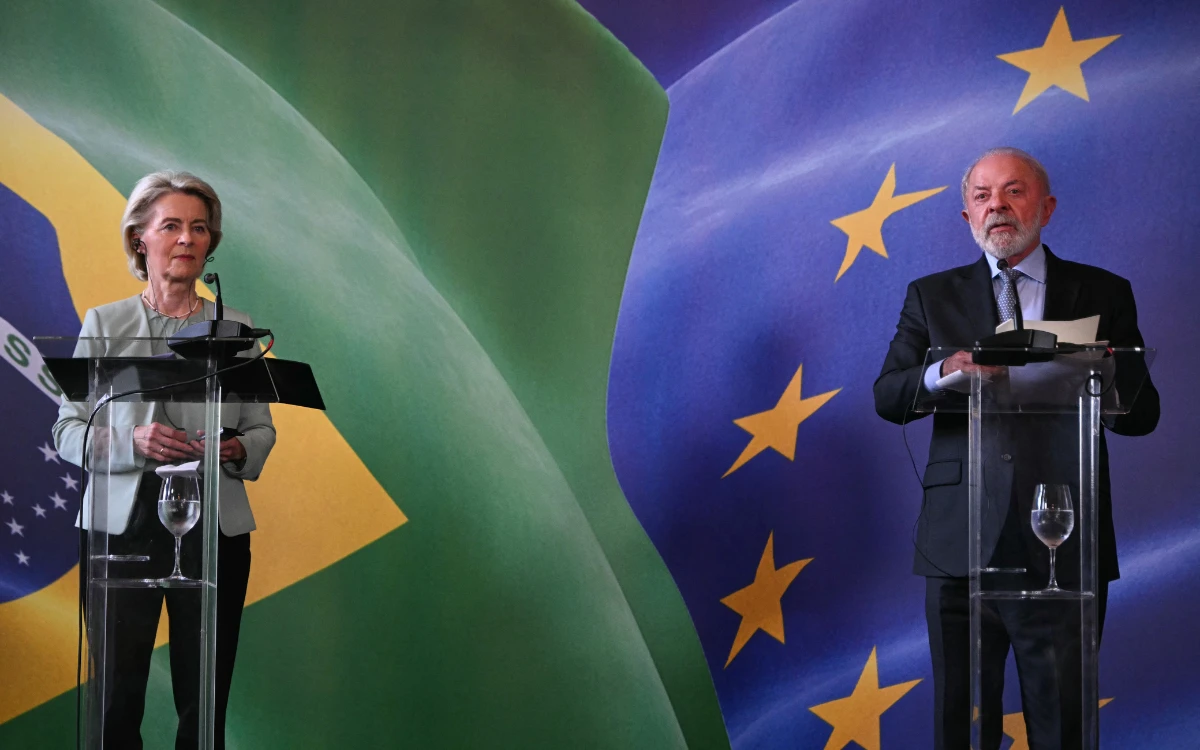
Brazil voiced “deep concern” over the European Union’s decision to suspend meat imports from the South American country, just days after the United States began allowing massive amounts of tariff-free beef imports.
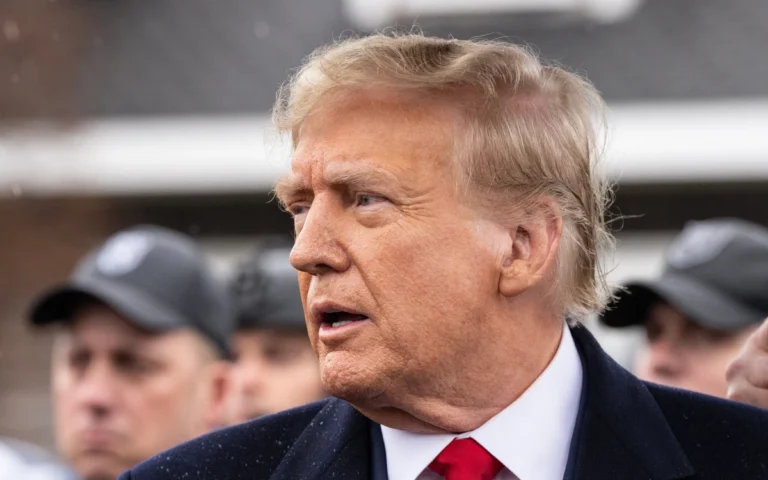
The EU’s indefinite suspension took effect on Thursday because Brazil is not meeting its standards around antibiotic use and food safety. Meanwhile, U.S. President Donald Trump waived tariffs on 300,000 tons of beef imports after meeting Brazilian meatpacking billionaire Joesley Batista, saying the move would help ease the rising cost of beef in the United States.
The Brazilian government suggested the European bloc resorted to “protectionist” measures and said its exports complied with EU standards. “If the negotiations do not lead in due time to a satisfactory solution, the Brazilian government reserves the right to resort to appropriate instruments in order to guarantee balanced trade conditions,” the government said.
The EU has faced strong criticism from European farmers since signing a free trade agreement with South America’s Mercosur bloc in January, of which Brazil is a member. Brazil was the bloc’s second-largest beef supplier last year, with exports worth over $825 million. But in May, the EU put it on a list of countries that do not adhere to its rules on the use of antibiotics in animals, to curb antimicrobial resistance.
The EU suspension comes at a potentially important moment for Brazil’s beef industry, as tighter access to the European market coincides with Washington opening the U.S. market to substantially larger volumes of tariff-free Brazilian beef. While the two measures are driven by different considerations, their timing could accelerate a shift in Brazilian exports toward the United States if the EU restrictions persist.
The move also comes in the run-up to Brazil’s October presidential election, dominated by incumbent President Luiz Inácio Lula da Silva, who favors a more multipolar foreign policy, and Senator Flávio Bolsonaro, the son of former President Jair Bolsonaro, who favors closer alignment with the United States.
The key developments to watch are whether Brasília can quickly resolve the regulatory dispute with Brussels, whether Brazil challenges the suspension through trade mechanisms, and whether expanded U.S. access becomes a significant alternative market for Brazilian producers. (AFP)