
Iceland has regained strategic importance as tensions rise in the Arctic, but with no military, it still relies on the United States for security, despite the unpredictability of U.S. President Donald Trump.
Icelanders rejected a resumption of the country’s European Union membership talks in a referendum last week, which means they will maintain the status quo rather than pursue deeper integration with the bloc. That means Iceland will keep its single market access through the European Economic Area, its membership in NATO, and its 1951 defense agreement with the United States.
“Of course, the political rhetoric is concerning. But it’s important also to try to strengthen the relationship,” Iceland’s chief of defense Jonas Allansson said about the present U.S. relations, according to French media. He said Iceland’s current security environment is comparable to that of the Cold War, with the country again being key in monitoring Russia’s access to the North Atlantic. But he believes “there is more uncertainty” today because of Kremlin’s policies.
Iceland is strategically important again for much the same reason it was during the Cold War: NATO needs it to monitor Russia’s access to the North Atlantic. But today’s confrontation may be less predictable than the relatively structured U.S.–Soviet rivalry of the Cold War. The strategic environment is further complicated by China’s growing interest in the Arctic, whose resources and sea routes are becoming more accessible because of climate change. Beijing has also promoted a “Polar Silk Road,” seeking greater access to emerging Arctic shipping routes and economic opportunities.
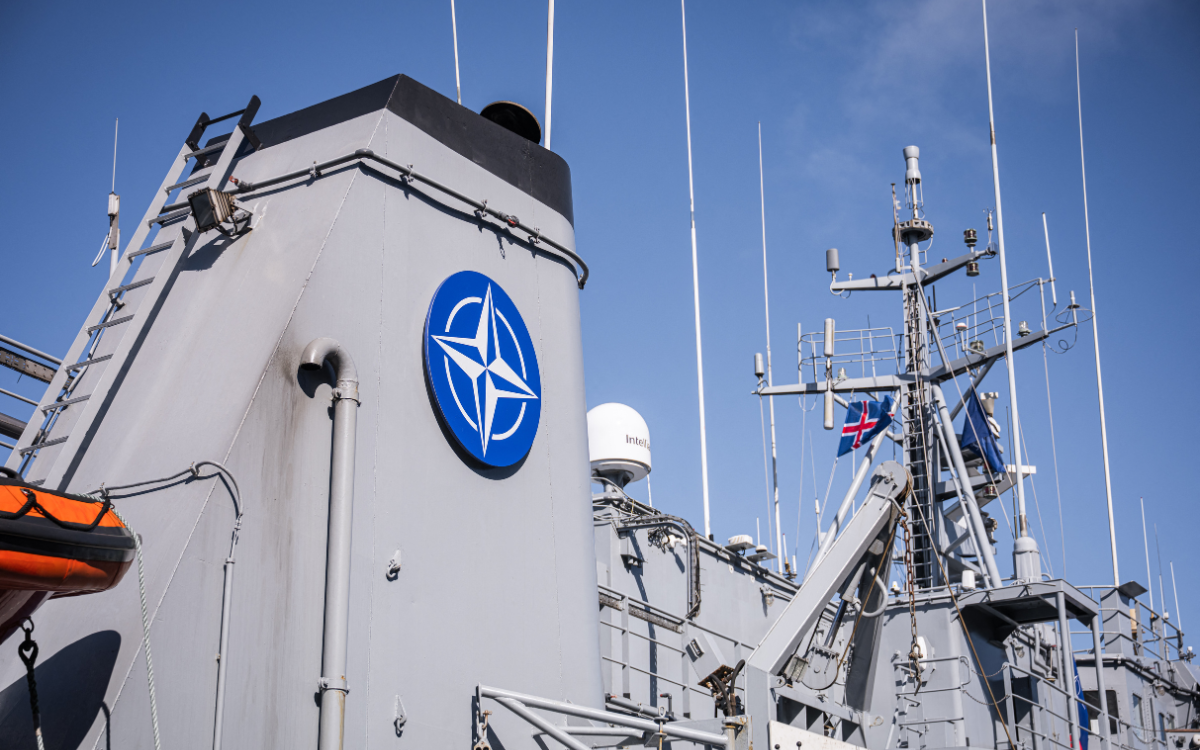
During NATO’s Northern Viking exercise in Iceland in late August, Supreme Allied Commander Europe Alexus Grynkewich highlighted concerns over Russian and Chinese activity in the Arctic. Iceland, meanwhile, is investing in cybersecurity and infrastructure designed to facilitate the presence and transit of allied forces.
Iceland’s decision to maintain its current security arrangement underscores the continuing difficulty for European states in translating concerns about Washington’s reliability into credible alternatives to U.S. military protection. Iceland’s geostrategic position in the GIUK gap is becoming increasingly important as NATO monitors Russian activity in the North Atlantic and China pursues greater economic and strategic access to the Atlantic via the Arctic.
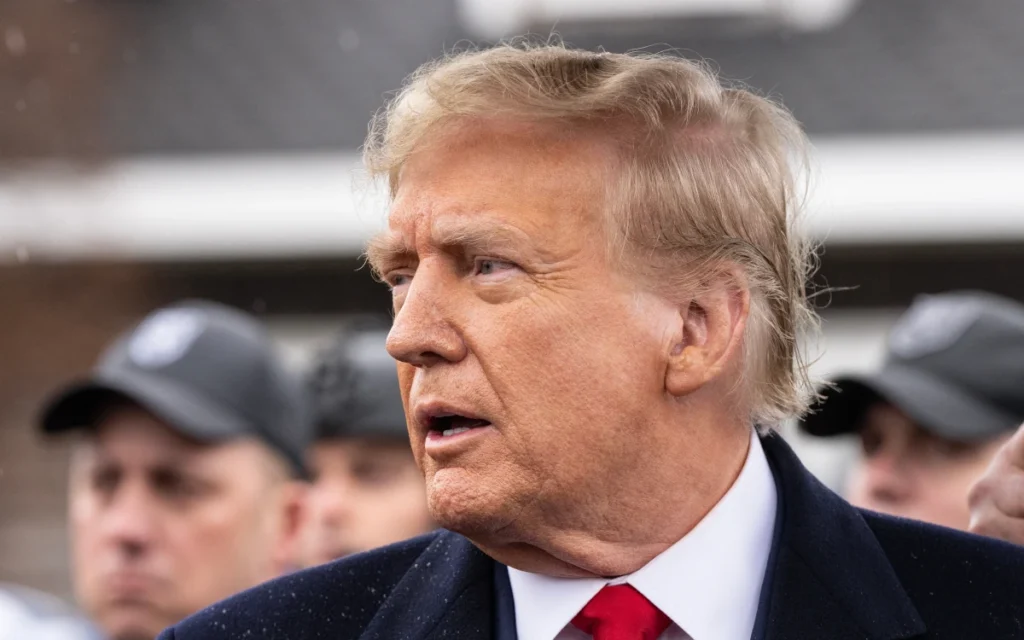
Trump’s threats over Greenland have complicated that relationship but, for now, have not outweighed Iceland’s dependence on the U.S.-led security architecture. The key developments to watch are whether growing competition with Russia and China leads to a further expansion of the U.S. and NATO military presence in Iceland, and whether future tensions with Washington revive domestic support for closer integration with the European Union. (AFP)