

Pakistan Says Peace Talks With Afghanistan ‘Failed’

By
Pakistan Says Peace Talks With Afghanistan 'Failed'
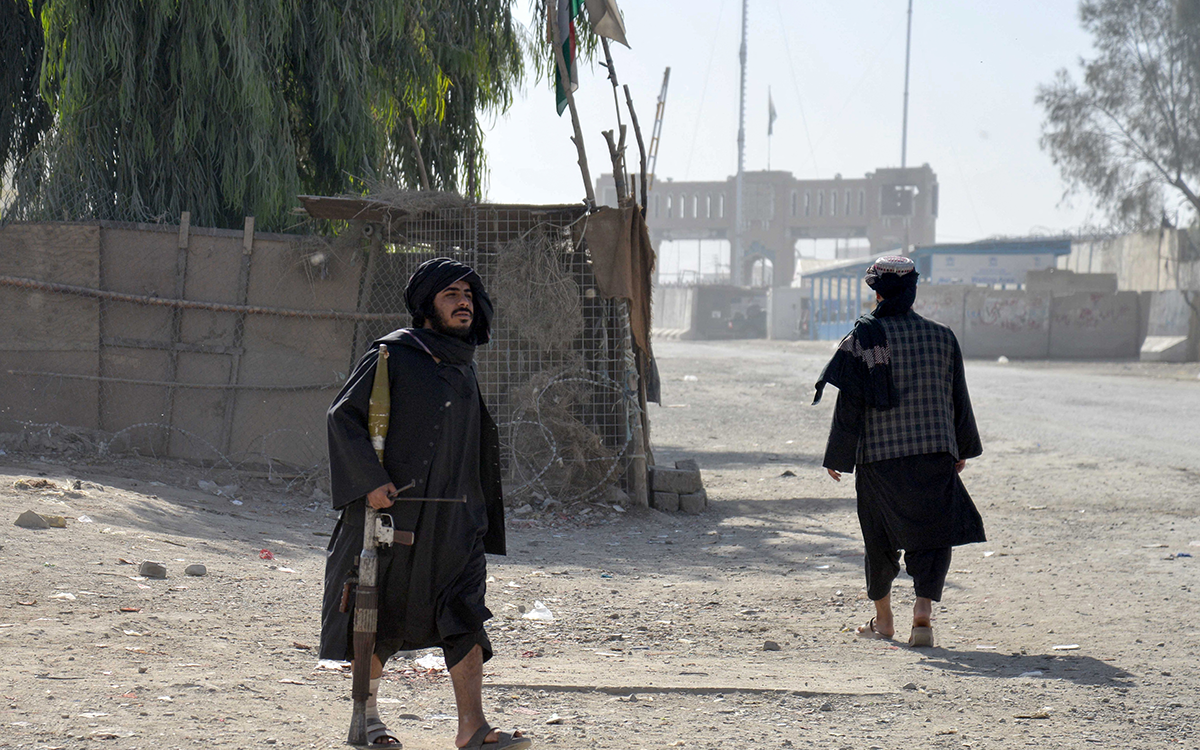
Armed Taliban security personnel arrive near the border of Pakistan. AFP
Share:

Pakistan said on Wednesday negotiations for a lasting truce with Afghanistan had “failed to bring about a workable solution”, warning it would take steps to protect its people.

“Regrettably, the Afghan side gave no assurances, kept deviating from the core issue and resorted to blame game, deflection and ruses,” Information Minister Attaullah Tarar said on X after four days of talks in Istanbul, brokered by Qatar and Turkey. “The dialogue thus failed to bring about any workable solution.”

“We will continue to take all possible measures necessary to protect our people from the menace of terrorism,” Tarar added, vowing to “decimate the terrorists, their sanctuaries, their abetters and supporters”. There was no immediate comment from Afghanistan. (AFP)


Eagle Intel Report authors
EIR

Eagle Intelligence Reports is a trusted global platform specializing in delivering insightful political and strategic analysis as well as exclusive intelligence to decision-makers, researchers, and audiences engrossed in modern international affairs.

SIGN UP FOR FREE TO EAGLE INTELLIGENCE REPORTS

Exclusive Insights & Reports

Get access to in-depth analysis, exclusive intelligence, and expert reports designed to keep you informed and ahead of the curve on the most important global developments.

By signing up, you agree to our Privacy Policy.

What to read next...
By
By
By
By
By
By
By
By

SIGN UP FOR FREE TO EAGLE INTELLIGENCE REPORTS

Exclusive Insights & Reports

Get access to in-depth analysis, exclusive intelligence, and expert reports designed to keep you informed and ahead of the curve on the most important global developments.

By signing up, you agree to our Privacy Policy.

Eagle Intelligence Reports
Privacy Overview

This website uses cookies so that we can provide you with the best user experience possible. Cookie information is stored in your browser and performs functions such as recognising you when you return to our website and helping our team to understand which sections of the website you find most interesting and useful.