
Exclusive
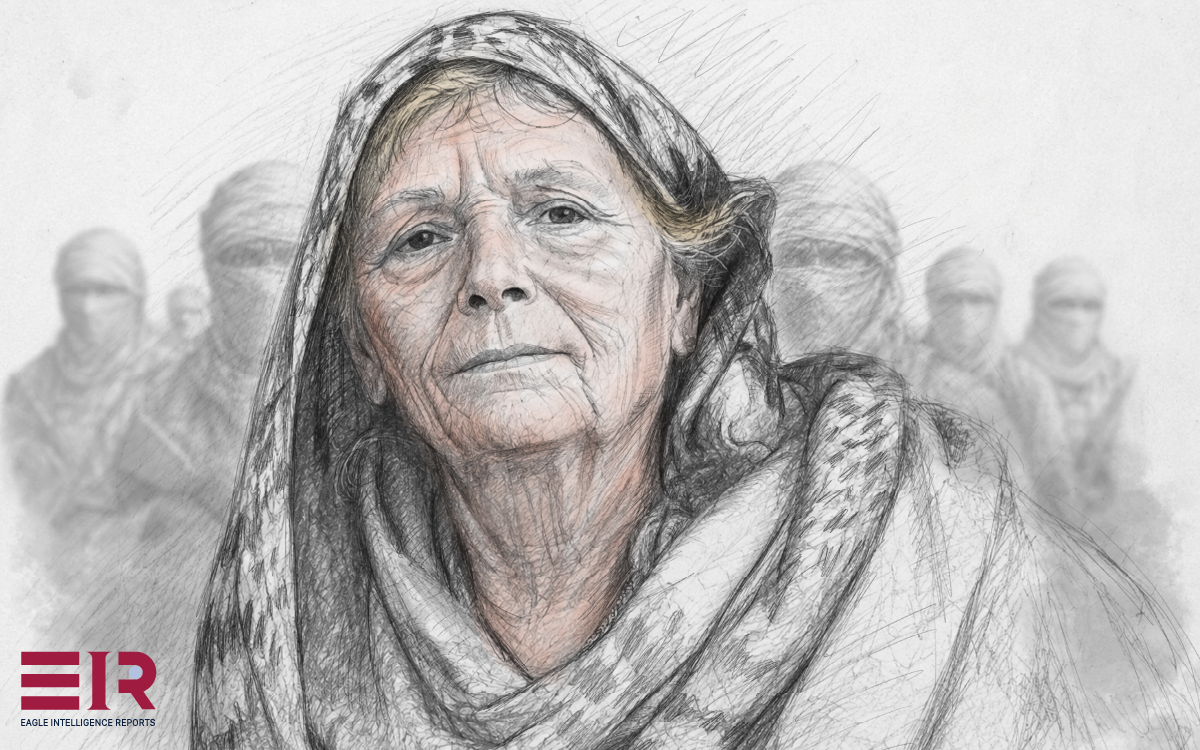
Eva Gretzmacher’s health has deteriorated and entered a critical stage, prompting the Islamic State’s Sahel branch to sharply reduce the ransom demanded for the 75-year-old Austrian hostage to a symbolic amount. According to an African intelligence source familiar with the case, Gretzmacher’s captors fear she could die in captivity before any financial gain is extracted.
Gretzmacher was abducted in northern Niger in January 2025 after years of living and working in the desert city of Agadez. Since her condition has worsened after contracting infectious diseases while in captivity, the case has turned from the Sahel’s most sensitive hostage cases into a race against time.
According to the intelligence source, attempts by members of Islamic State–Sahel Province to provide Gretzmacher with basic treatment have failed to produce any meaningful improvement. The group has now reduced the ransom to what the source described as a “symbolic” payment, far below earlier demands that had reached $5 million.
Attempts by members of Islamic State–Sahel Province to provide Gretzmacher with basic treatment have failed to produce any meaningful improvement
The source said the militants fear Gretzmacher could die before any deal is reached, depriving them of both a bargaining chip and a potential financial return.
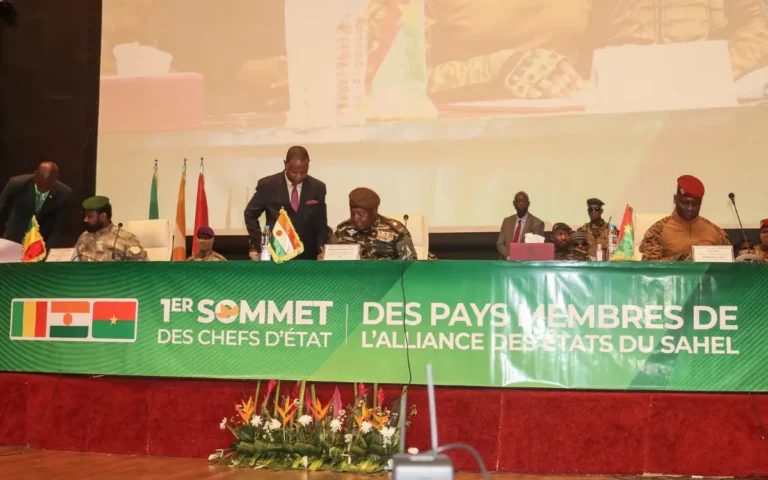
Gretzmacher’s abduction has underscored the expanding reach of jihadist networks across the central Sahel, where militant groups have exploited weak border controls, the retreat of Western security partnerships, and the growing isolation and lack of capacity of military-led governments.
Her case is unusual in part because she was not a foreign tourist or a short-term aid worker. Gretzmacher had long been part of the local social fabric in Agadez, a city that has served for decades as a crossroads for trade, migration, security operations, and armed networks moving between Niger, Mali, Libya, and Algeria.
Her kidnapping also came at a moment of profound instability in Niger. Since the 2023 military takeover in Niamey, the country has moved away from its previous Western security partners, including France and the United States, while seeking new security arrangements. That shift has coincided with the continued expansion of jihadist activity in border areas and the weakening of intelligence and counterterrorism coordination that once linked Niger to European and American forces.
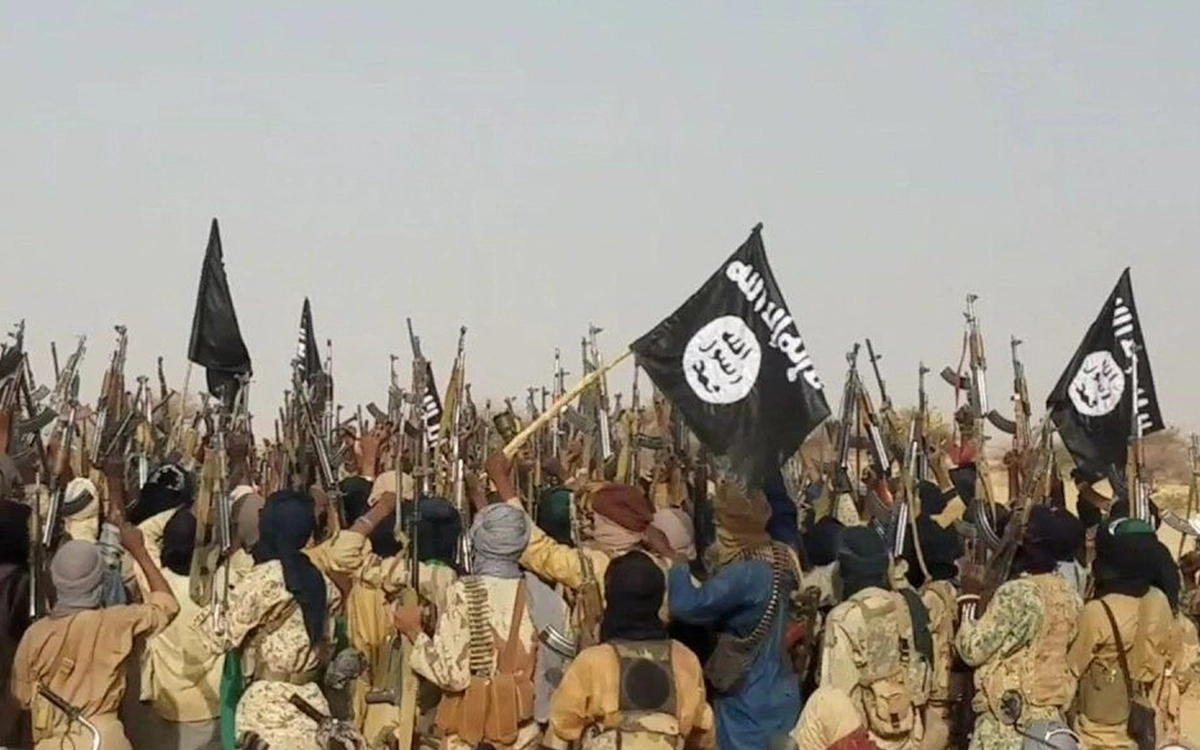
The Islamic State’s Sahel branch has used kidnappings as both a financial tool and a means of demonstrating territorial reach. Hostages can provide militant groups with bargaining power, money, and propaganda value. But elderly captives, especially those held in remote desert or semi-desert conditions, also create logistical and medical burdens for their captors.
That appears to be the dilemma now facing the group holding Gretzmacher.
The case also highlights the wider hostage economy that has taken root across parts of the Sahel. In areas where state authority has collapsed or become contested, armed groups, criminal intermediaries, and local facilitators often overlap. Captives can be moved across borders, passed between networks, or held in territories where formal rescue operations are extremely difficult.
The case also highlights the wider hostage economy that has taken root across parts of the Sahel. In areas where state authority has collapsed or become contested, armed groups, criminal intermediaries, and local facilitators often overlap
For European governments, such cases are especially complex. Public confirmation of negotiations can attract publicity, raising the stakes, while silence can leave families with little clarity. Governments must also weigh humanitarian urgency against the risk that payments could encourage further abductions.
Gretzmacher’s deteriorating health condition may now create a narrow window for movement in the case. But it also increases the risk that any delay could prove fatal.
For the militants, the hostage remains an asset only as long as she is alive. For those seeking her release, the question is whether the group’s fear of losing that asset can be turned into an opportunity before her condition worsens further.