
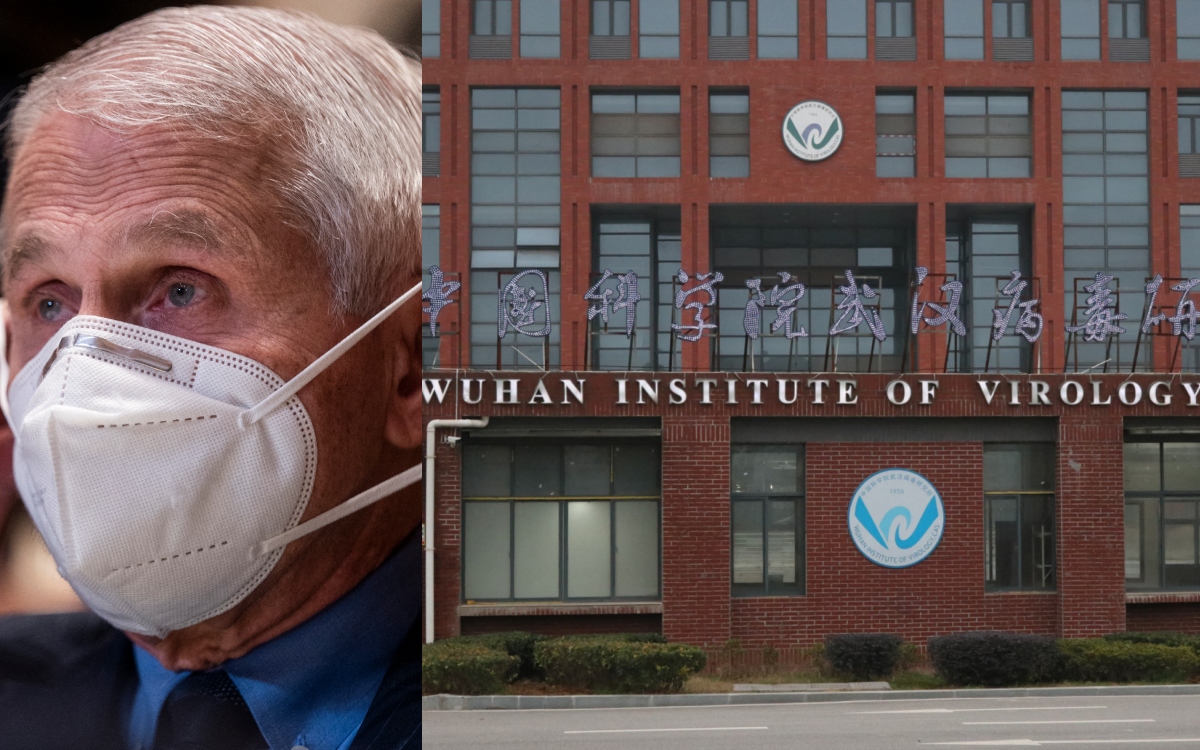
Anthony Fauci, a key adviser to both Donald Trump and Joe Biden during the Covid-19 pandemic, is set to testify on Wednesday about whether the virus originated from a “laboratory leak.”
The theory that SARS-CoV-2 may have been engineered in a laboratory has become increasingly popular among Republicans, who launched a long-running investigation into the pandemic’s origin, led by Senator Rand Paul of Kentucky. Many scientists continue to argue that the most likely explanation is natural spillover from animals.
“For years, Americans were told a lab origin wasn’t just unlikely – it was dismissed outright by the very people funding and reviewing this research,” Paul, who leads the Senate committee where Fauci is due to testify on Wednesday, said last week.
The hearing comes just days after Paul released Fauci’s “diary,” which contains various insults toward Trump and reveals what he initially thought about the “lab leak theory.”
1/9 — My investigation uncovered that Anthony Fauci kept a diary.
What he wrote privately and what he told the country are two different stories.Today I'm releasing his entries from December 2019 through December 2022. 🧵 pic.twitter.com/58LvmeYkCN
— Senator Rand Paul (@SenRandPaul) July 25, 2026
“…data that the first infection was in early December and was not connected to the [wet] market. The infections spread among people weeks before the Chinese reported that they were dealing with a new infection… Now we know the market was not the source; it was the amplifier,” Fauci wrote in the diary in January 2020, two months before the outbreak was declared a global pandemic. In the same entry, he added that “having said that, somewhere the virus jumped from animals to humans.”
On February 1, 2020, Fauci wrote about a conference where a dozen researchers debated the virus origins. Only two of them thought SARS-CoV-2 had a natural origin, while “the rest felt that deliberate insertion was possible,” he said.
The Republican-led Select Subcommittee on Covid-19 concluded in 2024 that a lab leak was the most likely origin and raised questions over U.S.-funded research involving the Wuhan Institute of Virology. There is no evidence Fauci personally directed or knowingly funded research intended to create a pandemic pathogen. However, grants through EcoHealth Alliance did support bat coronavirus studies that remain at the center of a dispute over gain-of-function definitions.
The Fauci hearing has significance beyond the domestic U.S. political fight. Internationally, it touches on trust in global health institutions, transparency standards for pandemic investigations, and China’s role in future biosecurity governance. A renewed lab-leak debate could deepen tensions between Washington and Beijing, while also influencing how countries regulate high-risk biological research and oversight mechanisms.(EIR/Agencies)