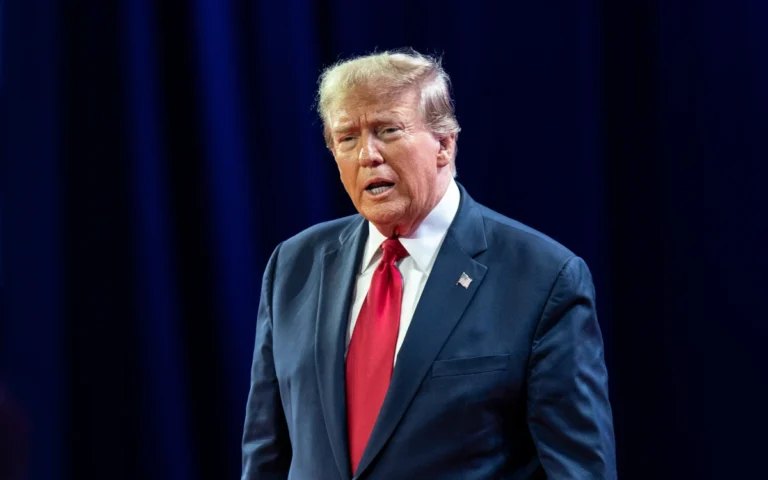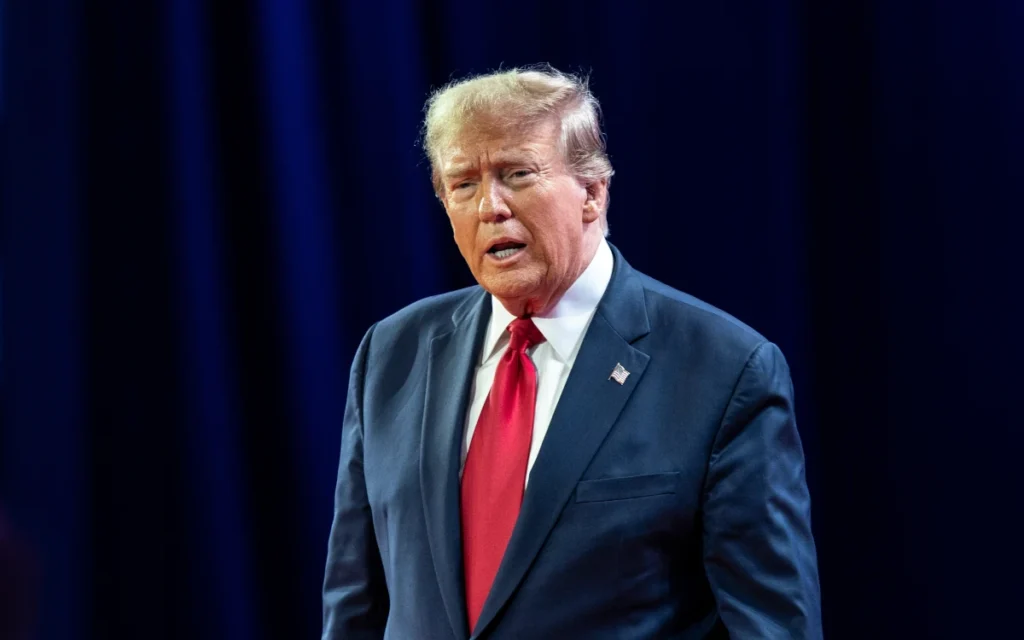


EU lawmakers and member states reached a deal in the early hours of Wednesday to implement the bloc’s nearly year-old trade pact with the United States, with President Donald Trump threatening new tariffs unless it is done by July 4.
The 27-nation bloc struck an accord with Washington last July setting levies on most European goods at 15 percent, but to Trump’s frustration it had yet to make good on its pledge to scrap levies on most US imports in return.
Negotiators from the EU’s parliament and capitals wrangled late into the night, finally emerging several hours after midnight with news of an agreement to move forward.
“This means we will soon deliver on our part,” EU chief Ursula von der Leyen said as she welcomed the agreement and called for the implementation process to be finalized quickly. “Together, we can ensure stable, predictable, balanced, and mutually beneficial transatlantic trade,” von der Leyen said in a social media post.
German Chancellor Friedrich Merz said the agreement showed the bloc was “delivering on its commitments”. In a post on X, the leader of Europe’s biggest economy said the deal meant “more security and stability for our businesses.”
The EU agreement puts the bloc on track to meet Trump’s deadline for ratification of the deal sealed in Turnberry, Scotland, between Trump and von der Leyen, and hopefully turn the page on more than a year of transatlantic trade battles.
Short of that, Trump had warned the European Union should expect “much higher” tariffs — and had already vowed to raise duties on European cars and trucks from 15 to 25 percent.
The tariff blitz unleashed by Trump before the Turnberry accord, including hefty levies on steel, aluminum and car parts, jolted the bloc into cultivating trade ties around the world.
But the EU cannot afford to neglect the 1.6-trillion-euro ($1.9-trillion) relationship with the US, its largest trade partner.
The EU parliament gave the deal a conditional green light in March, after months of delay caused by Trump’s designs on Greenland and a US Supreme Court ruling striking down many of the president’s tariffs.
Lawmakers were under pressure to renege on several amendments that the Americans considered unacceptable — including a suspension clause that would scrap favorable tariff conditions for US exporters should the US breach the deal. (AFP)