Richard Weitz

Richard Weitz
Richard Weitz
Richard Weitz is Senior Fellow and Director of the Center for Political-Military Analysis at Hudson Institute. His current research focuses on Russia-China-U.S. relations along with other international security challenges. He is a graduate of Harvard University, Oxford University and the LSE. Before joining Hudson in 2005, Weitz worked for several other academic and professional research institutions and the U.S. Department of Defense. He has authored or edited several books, multiple reports, and many articles.
Richard Weitz - eagle intelligence reports - author - writer- Richard Weitz is Senior Fellow and Director of the Center for Political-Military Analysis at Hudson Institute.
Richard Weitz

Richard Weitz is Senior Fellow and Director of the Center for Political-Military Analysis at Hudson Institute. His current research focuses on Russia-China-U.S. relations along with other international security challenges. He is a graduate of Harvard University, Oxford University and the LSE. Before joining Hudson in 2005, Weitz worked for several other academic and professional research institutions and the U.S. Department of Defense. He has authored or edited several books, multiple reports, and many articles.

India-Russia Relations: Tactical Rebound

India-Russia Relations: Tactical Rebound

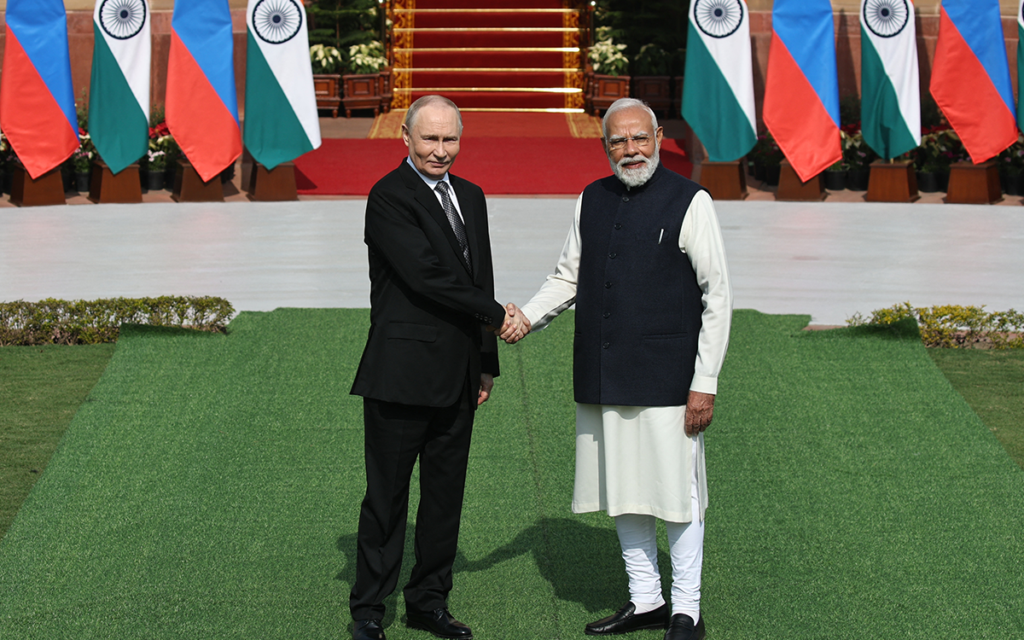
An unanticipated consequence of Russia’s invasion of Ukraine has been the strengthening of ties between Moscow and New Delhi, particularly in the energy domain. The India–Russia axis has been one of the world’s most enduring great-power partnerships.

By
The US South Caucasus Gambit

The US South Caucasus Gambit

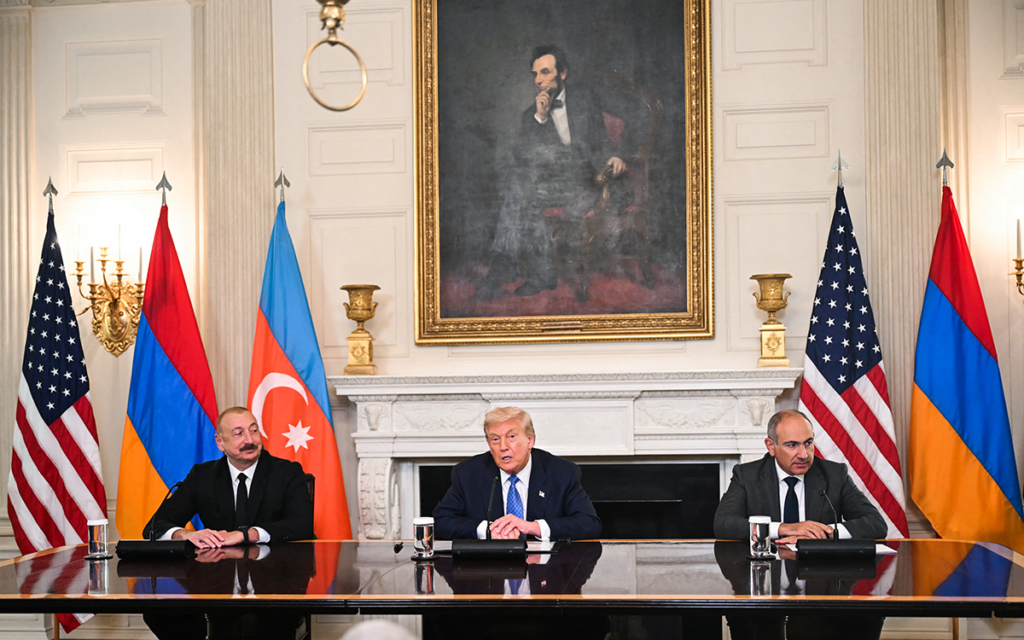
The Trump administration has unveiled an ambitious plan to bring peace, prosperity, and renewed US influence to the South Caucasus. Russia’s declining sway in the region, combined with the absence of strong regional structures, has created a strategic vacuum that external powers are eager to fill.

By
Trump Charges Into Central Asia's Great Power Game

Trump Charges Into Central Asia’s Great Power Game

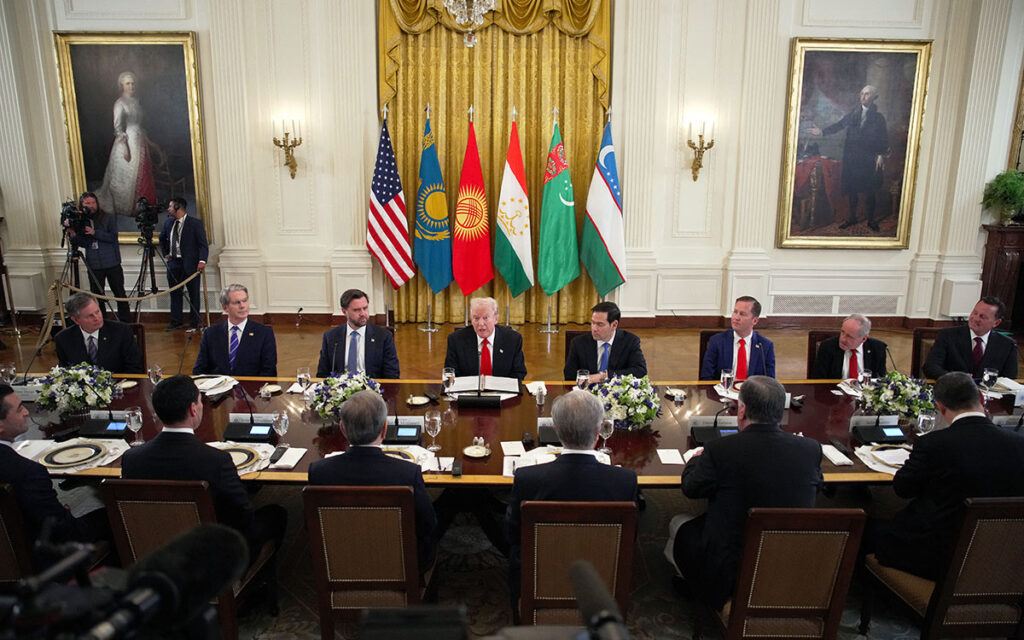
For the first time in years, Central Asia briefly dominated Washington’s foreign-policy conversations. On November 6, Central Asian leaders met with Donald Trump at the C5 1 Presidential Summit. The gathering did not produce major breakthroughs, but it was remarkable to see all five leaders speaking directly with the United States at that level.

By
Trump's Asian Tour: Security Results and Consequences

Trump’s Asian Tour: Security Results and Consequences

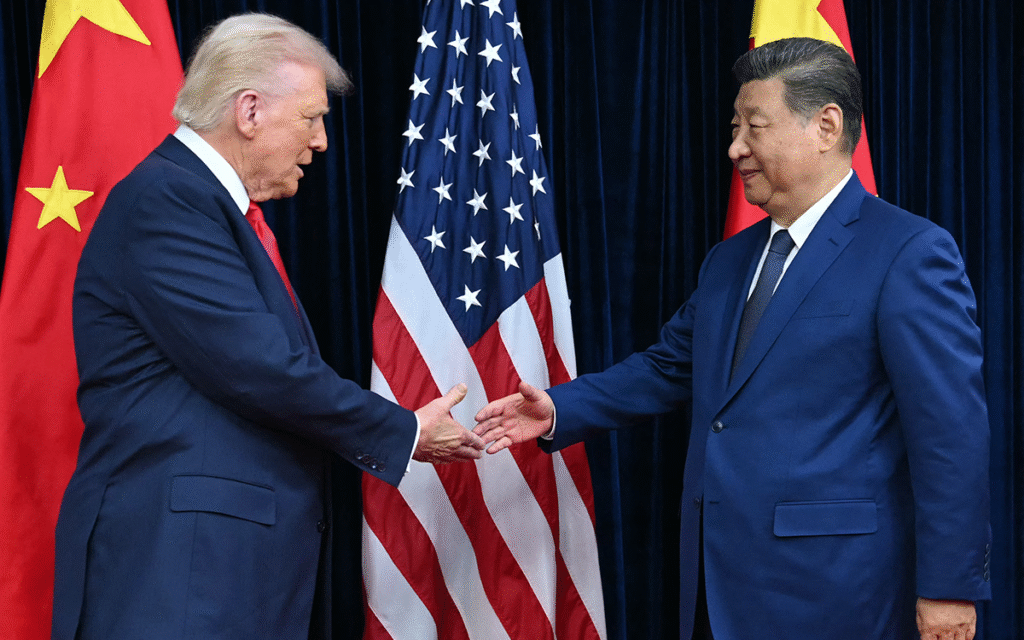
US President Donald Trump just completed his most significant foreign trip of the year. His week-long sojourn in Asia provided opportunities to augment ties with new allied leaders, underscore the enduring US regional presence to wavering partners, and manage tensions while reinforcing deterrence against China.

By
Afghanistan Returns to the Heart of Eurasian Security

Afghanistan Returns to the Heart of Eurasian Security

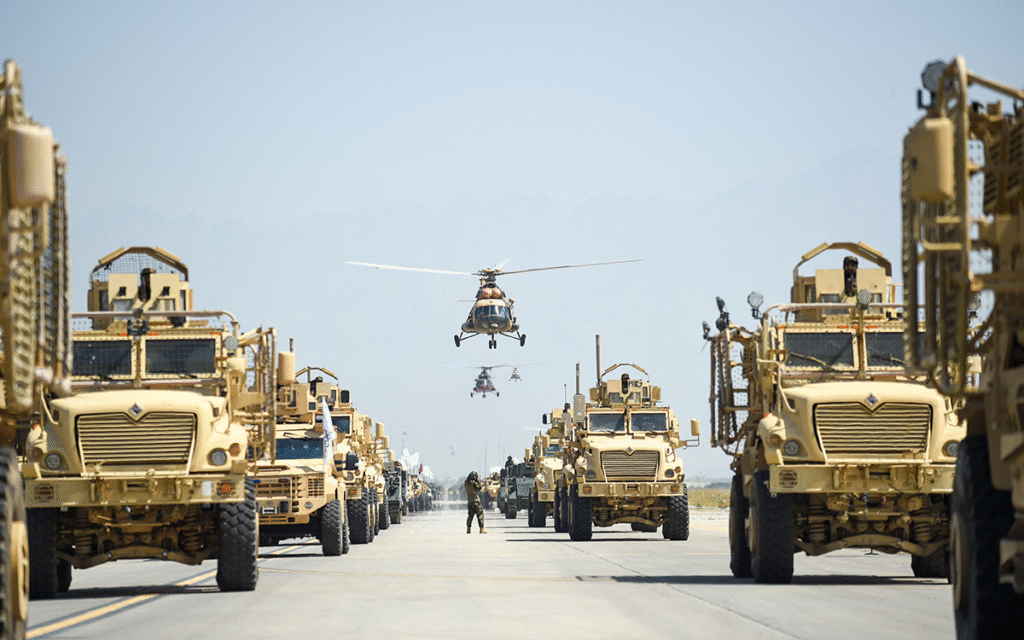
US President Donald Trump’s demand for the United States to regain control of Bagram Air Base in Afghanistan has provoked strong regional opposition. Though not without strategic logic, major obstacles preclude such a restoration in the near term. The United States could more productively pursue cooperation on less provocative security issues.

By
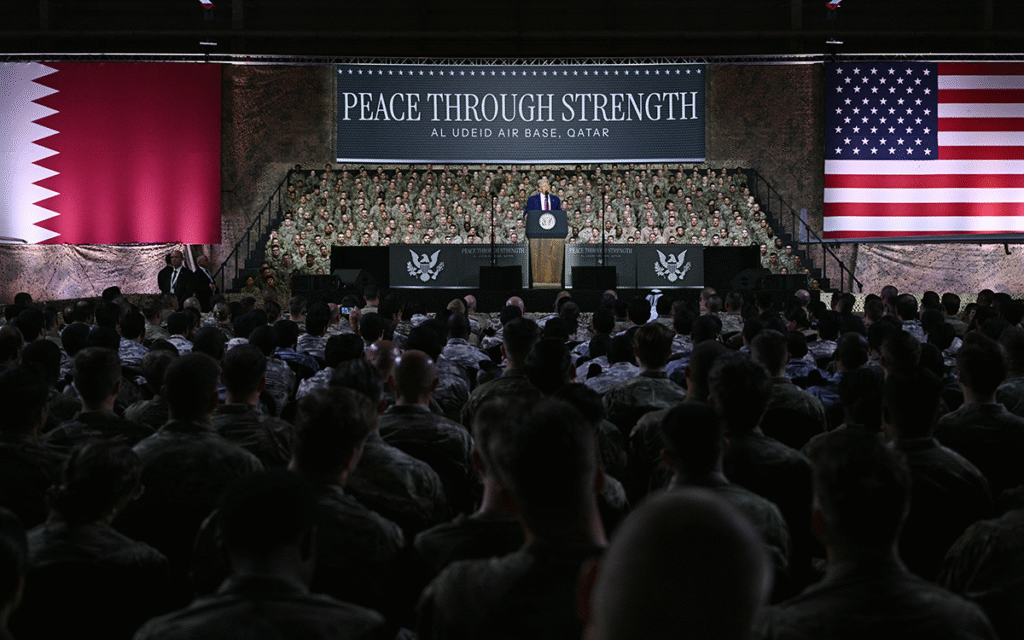
The US and Qatar: Rebuilding Trust Through Security

The US and Qatar: Rebuilding Trust Through Security

US President Donald Trump’s unprecedented security assurances to Qatar helped pave the way for the recent Gaza ceasefire agreement. Along with other measures, they reassured Arab leaders about the value of their partnership with the US. Offering these kinds of supplementary assurances could help Washington retain support among more allies who might seek alternative alignments.

By
The Saudi-Pakistani Pact and Shifting Alliances

The Saudi-Pakistani Pact and Shifting Alliances

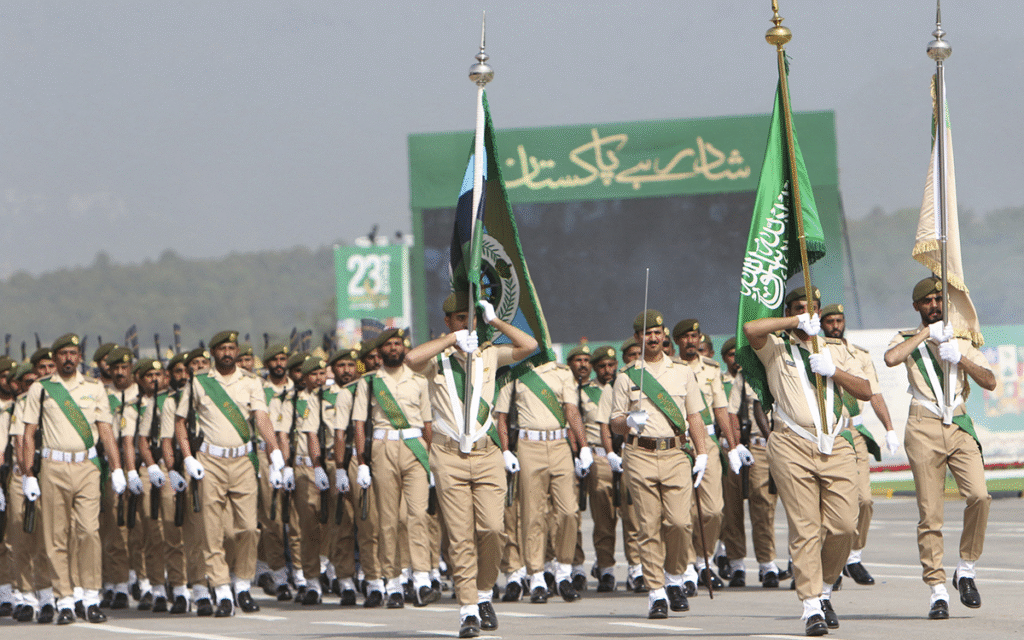
The recently signed Pakistani-Saudi Strategic Mutual Defence Agreement marks a major evolution in both countries’ security policies. Among other considerations, the accord formalizes, with a binding treaty, their military partnership. The agreement marks the first time Pakistan has, even implicitly, extended its nuclear shield to another country.

By
China’s Arsenal and the Future of Security

China’s Arsenal and the Future of Security

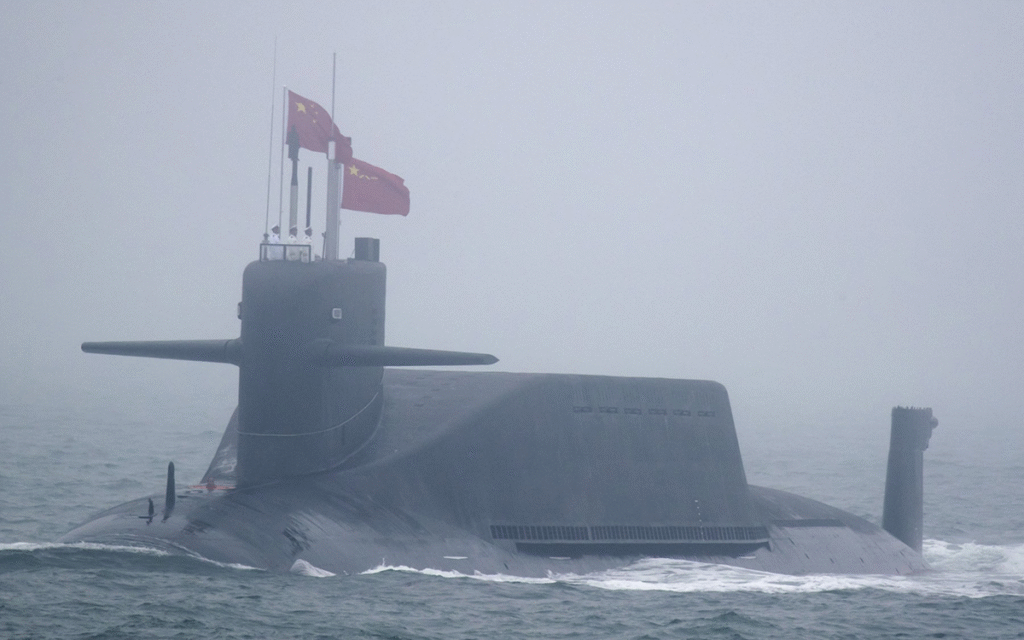
China’s September 3 military parade was more than a show of strength. It signaled the arrival of a new nuclear era that could upend global security calculations. The parade highlighted how the PRC’s growing nuclear arsenal directly challenges US strategic deterrence, escalates regional proliferation dangers, and threatens the demise of global arms control.

By
The SCO at a Crossroads

The SCO at a Crossroads

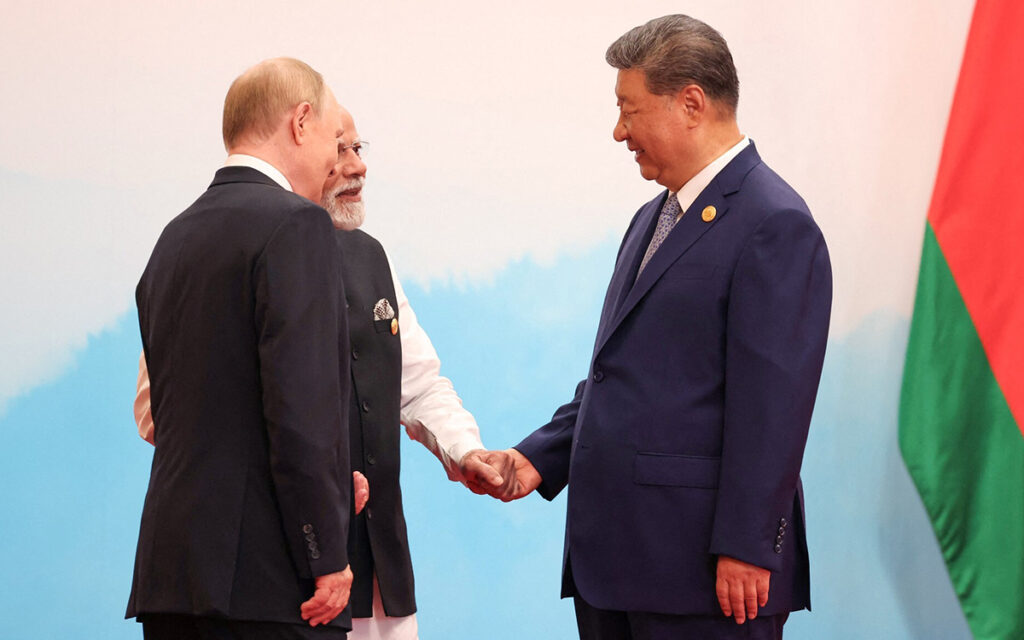
The Shanghai Cooperation Organization (SCO) stands at a pivotal moment. As the leaders of the non-Western world met at the 25th annual meeting of the Council of Heads of SCO Members in the Chinese port city of Tianjin from August 31 to September 1, the summit – the largest in SCO history — illustrated how …

By
The South Korean-US Alliance: A Fork in the Road

The South Korean-US Alliance: A Fork in the Road

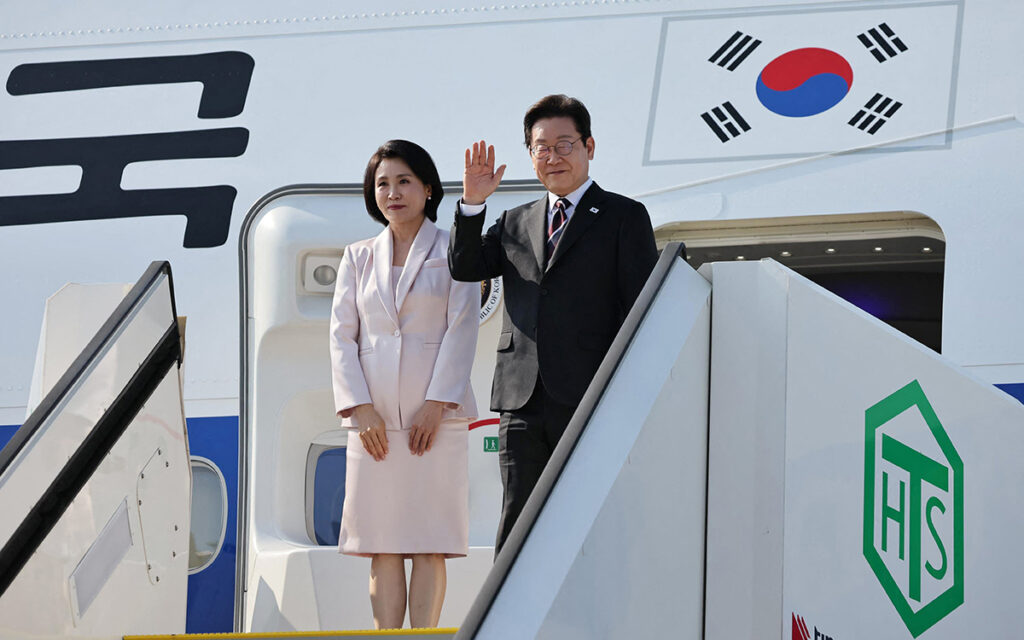
South Korea’s new President Lee Jae Myung will visit his US counterpart Donald Trump in Washington on August 25. Their meeting occurs at perhaps the most precarious period in the 72-year history of the alliance between the Republic of Korea (ROK) and the United States.

By

SIGN UP FOR FREE TO EAGLE INTELLIGENCE REPORTS

Exclusive Insights & Reports

Get access to in-depth analysis, exclusive intelligence, and expert reports designed to keep you informed and ahead of the curve on the most important global developments.

By signing up, you agree to our Privacy Policy.

Eagle Intelligence Reports
Privacy Overview

This website uses cookies so that we can provide you with the best user experience possible. Cookie information is stored in your browser and performs functions such as recognising you when you return to our website and helping our team to understand which sections of the website you find most interesting and useful.