
The United States announced on Monday the start of the implementation of “pilot zones” in southern Lebanon, in accordance with the framework agreement signed by the Lebanese and Israeli governments last June.
This announcement came days after a new round of negotiations between the two sides, sponsored by Washington, in Rome.
A statement from the US State Department said, “Today, pilot zone operations began in the villages of Froun, Srifa, and Zawtar Al-Gharbiya in accordance with the Trilateral Framework and under the auspices of the Military Coordination Group for Lebanon.”
This comes within the scope of the framework agreement signed by Beirut and Tel Aviv on June 26, following US-sponsored negotiations aimed at consolidating the ceasefire and ending border tensions. The agreement stipulates a gradual Israeli withdrawal from the areas it entered during the last war with Hezbollah, and the deployment of the Lebanese army in its first phase within two pilot zones.
This coincided with a new round of talks between the two sides in Rome, where, according to Washington, they agreed to finalize the structure of the pilot zones and begin their implementation within days. While the agreement does not specify a timetable for the Israeli withdrawal, Israel links it to the disarmament of Hezbollah, which refuses to surrender its weapons or recognize the outcomes of the negotiations.
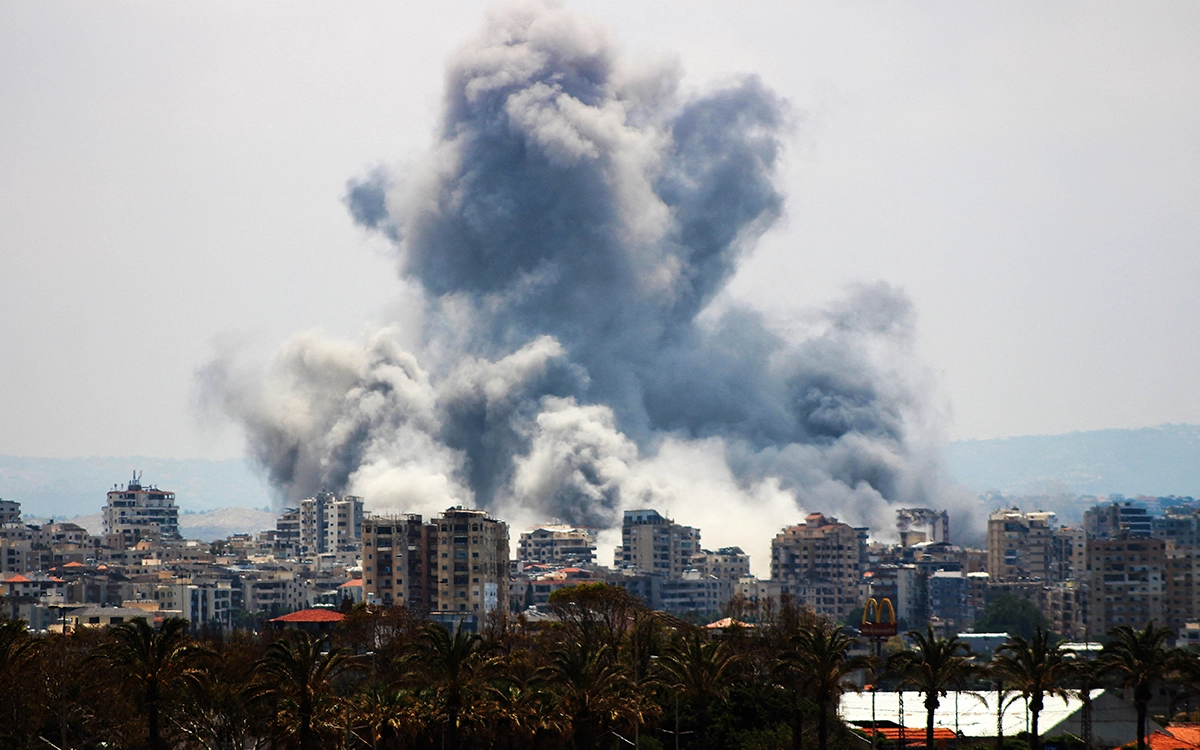
Despite reduced intensity of the clashes since June, Israeli military operations have continued in southern Lebanon, amid ongoing disagreements over the mechanisms for implementing the agreement and the future of Hezbollah’s armed presence in the border region.
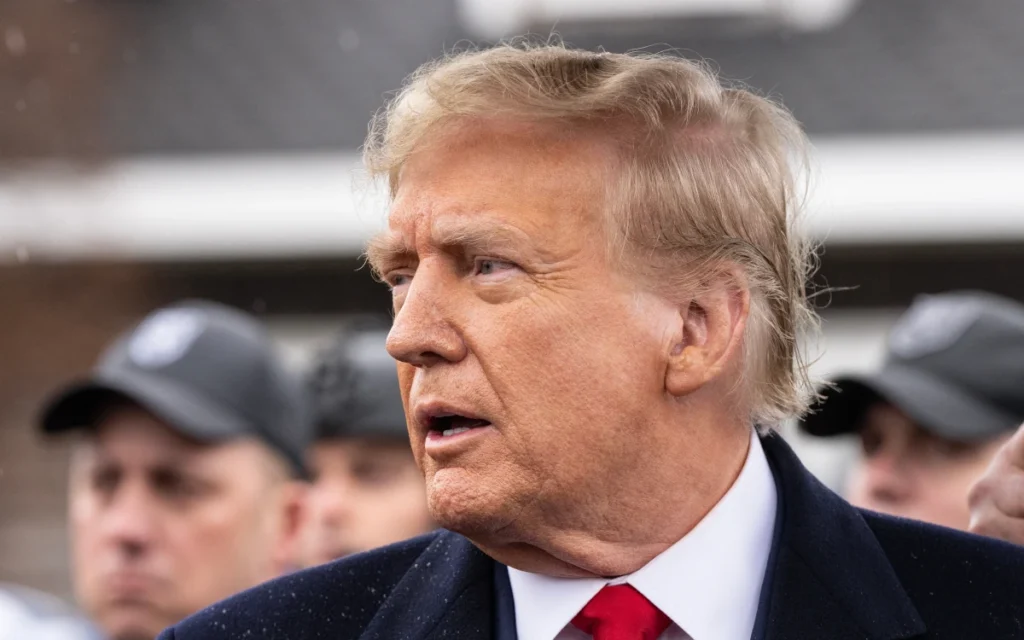
These developments coincide with Lebanese President Joseph Aoun’s visit to Washington, where he will meet with his American counterpart, Donald Trump, on July 21, as part of efforts to bolster US support for implementing the agreement and consolidating the ceasefire.
Aoun is scheduled to discuss with US officials the withdrawal of Israeli forces from the Lebanese territories they occupy and mechanisms for supporting the Lebanese army’s deployment in the south, at a time when Washington is overseeing the negotiations between Beirut and Tel Aviv. (AFP)