
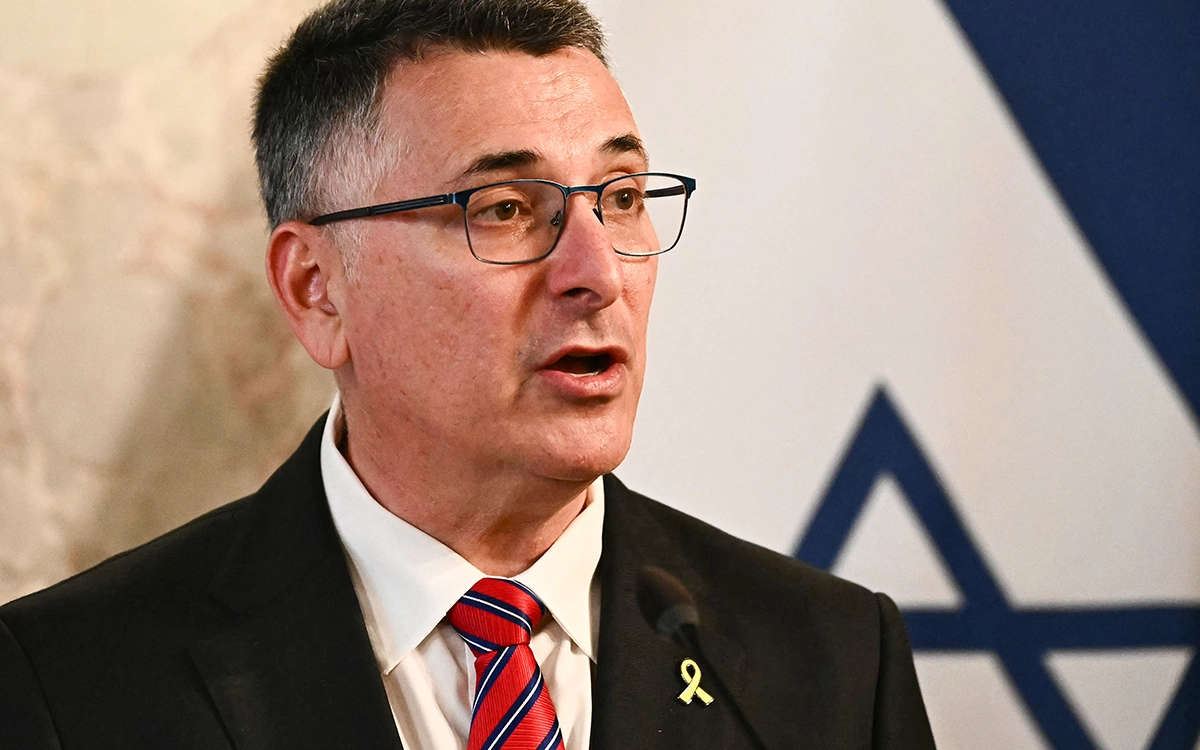
Israel’s foreign minister said Tuesday he expected ongoing talks in Rome with Lebanon to help implement an agreement on two “pilot zones” in southern Lebanon, referring to the withdrawal of Israeli troops from those areas.
“We are ready to move forward implementing these two pilot zones. I hope and tend to believe that this round of discussions in Rome will promote it,” Gideon Saar told journalists at a press conference in Jerusalem.
Earlier, informed Lebanese sources told Eagle Intelligence Reports that the commander of the Lebanese Armed Forces, General Rodolphe Haykal, has informed President Joseph Aoun that the military rejects any implementation mechanism for the framework agreement between Lebanon and Israel that is based on direct coordination between the Lebanese and Israeli armies.
Haykal warned that such an arrangement could open the door to serious domestic repercussions within the army and in the broader Lebanese political environment.
The sources said the army commander conveyed his position during a meeting with President Aoun held at Baabda Palace. The talks focused on the implementation track of the U.S.-backed agreement, particularly as it relates to the role of the Lebanese Army in the south, deployment mechanisms, and arrangements for a gradual Israeli withdrawal.
The meeting was also dedicated to discussing the limits of the field communication required to ensure that no friction or security vacuum occurs in areas that are supposed to gradually come back under the authority of the Lebanese state.
According to the sources, Haykal stressed to the president that the Lebanese Army is capable of carrying out its sovereign duties inside its territory, strengthening its deployment in the south and maintaining security within the constitutional and legal powers granted to it.
However, he rejected being pushed into an arrangement that would be read domestically as direct military coordination with Israel, given the political and national sensitivity such an arrangement carries within the armed forces and across Lebanese society. (AFP/EIR)