
Twelve countries including Britain, Canada, and France announced their intention to impose sanctions on trade with Israeli settlements in the West Bank.
The decision comes after a surge in attacks by Israeli settlers on Palestinian villages. Denmark, Finland, Iceland, Ireland, Norway, Poland, Portugal, Spain, and Sweden plan to limit trade with the settlements, the nations’ foreign ministers said in a joint statement. Ireland and Spain have already taken measures against trade with Israeli settlements, and France has for weeks been pushing for a similar decision from the European Union, Israel’s leading trading partner, but has been blocked by some members.
“The government of Israel’s actions in the West Bank are undermining the possibility of a two-state solution,” the 12 ministers said. They added their countries “confirm their intention to introduce national and/or support European restrictions on trade in goods with settlements which are illegal under international law, or that they are actively considering these and other measures, in accordance with their national procedures.”
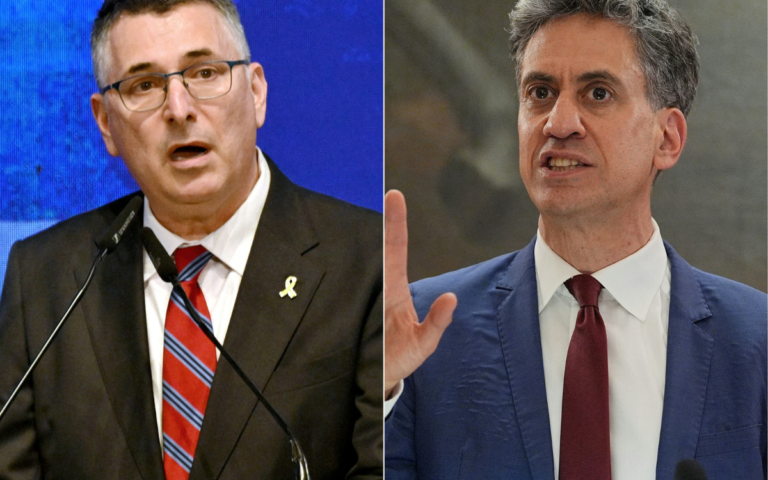
On Tuesday, British Foreign Secretary Ed Miliband accused the Israeli government of “turning a blind eye” to “ethnic cleansing” conducted by settlers in the West Bank, announcing a ban on the import of products from settlements built in the occupied territories. The statements come after Israel threatened retaliation last week if the UK imposed sanctions. British Foreign Secretary Ed Miliband promised a ‘comprehensive reset’ of Britain’s policy toward Israeli settlers at the time. But Israeli Foreign Minister Gideon Sa’ar said that if the UK acts against Israel, “they will be making a big mistake,” adding that Israel “will act against Britain.”
The move marks a widening European effort to translate opposition to Israeli settlement policy into concrete economic pressure. While divisions within the EU have so far limited bloc-wide action, coordinated national restrictions by a growing group of countries could increase pressure for a broader European response and create further diplomatic friction with Israel. The next development will be whether additional EU members adopt similar measures, whether Brussels moves toward collective restrictions, and how Israel follows through on its threat of retaliation against Britain. (AFP+EIR)