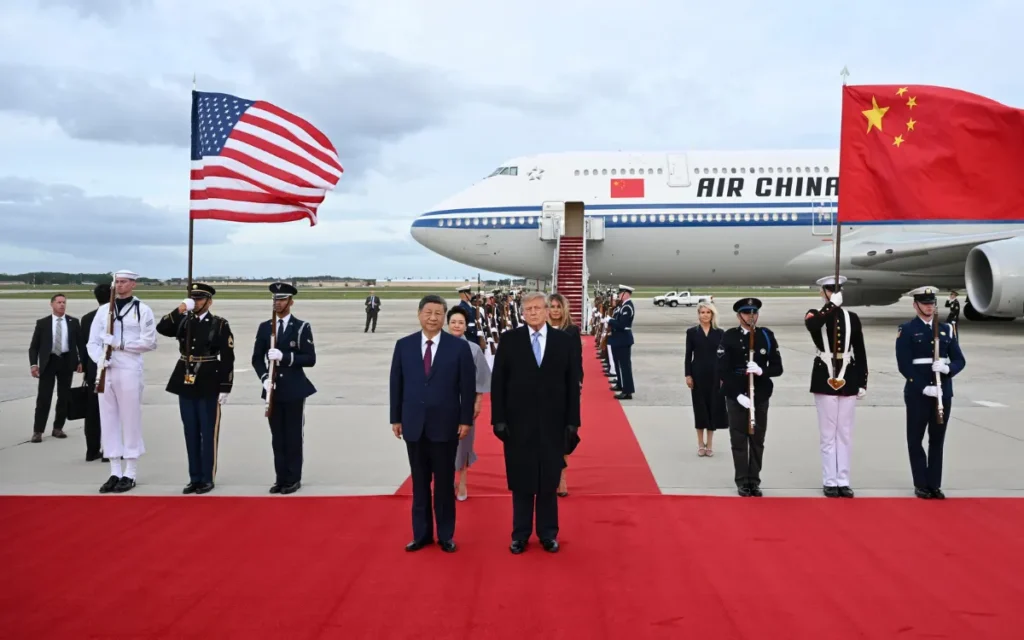

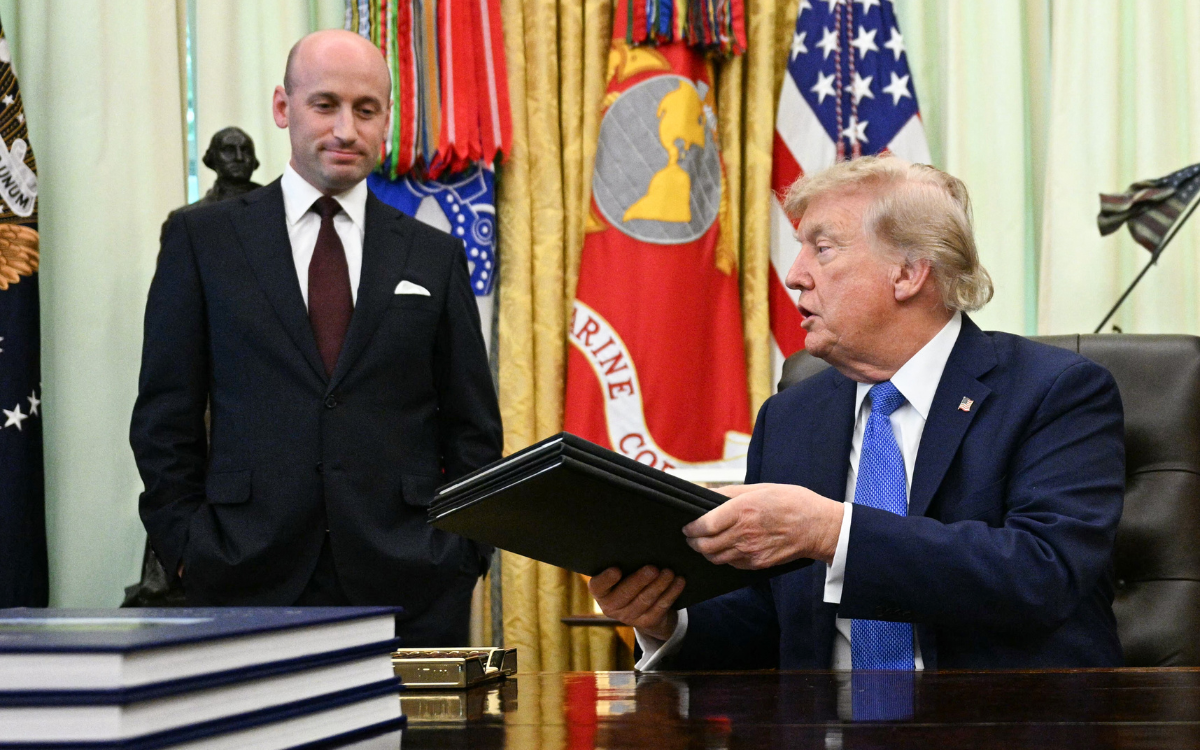
U.S. President Donald Trump signed an order to set new tariffs and minimum import prices on products made using polysilicon, a market dominated by China.
Polysilicon is a key material in the production of semiconductors for the defense industry, as well as artificial intelligence hardware and solar panels. Products made from it face a 15 percent tariff and there will be minimum import prices for goods like wafers and solar cells from December 4.
The aim is “to create a level playing field for American producers of these strategic goods,” and to “encourage onshoring of these industries,” the White House said in a fact sheet, mentioning the U.S. share of global polysilicon production has dropped from 50 percent in 2005 to less than two percent in 2024.
“We’re setting prices so that the Chinese can’t dump anymore, and we’re setting tariffs to say build it here. We’ve got the industry here; it’s too small, and it’s going to explode under your leadership,” Commerce Secretary Howard Lutnick said, referring to Trump.
Last month, Trump signed an executive order demanding that defense contractors avoid dependence on materials or products from foreign suppliers, in a blow to China. In response, China has recently announced countermeasures against the U.S., “including strengthening export controls on drones and their key components and technology.”
China’s reaction to the U.S. measures comes as multiple sources have indicated that the U.S. military’s offensive and defensive weapons stockpiles have run low because of the wars in Ukraine and Iran. In recent months, U.S. and China have also been at odds over AI models, since the two countries are the biggest competitors in artificial intelligence.
The new U.S. tariffs on polysilicon products represent a significant escalation in Washington’s strategy to reduce strategic dependence on China across critical supply chains. While framed as a trade measure, the policy is equally an industrial and national security initiative, targeting a material essential for advanced semiconductors, defense electronics, and solar technology.
By combining tariffs with minimum import prices, the administration is attempting to shield emerging domestic manufacturers from Chinese pricing power while accelerating the reshoring of strategically important industries. As both powers tighten restrictions on strategically important sectors, global manufacturers may face higher costs, supply chain realignments, and growing pressure to diversify production away from geopolitical flashpoints. (EIR)