

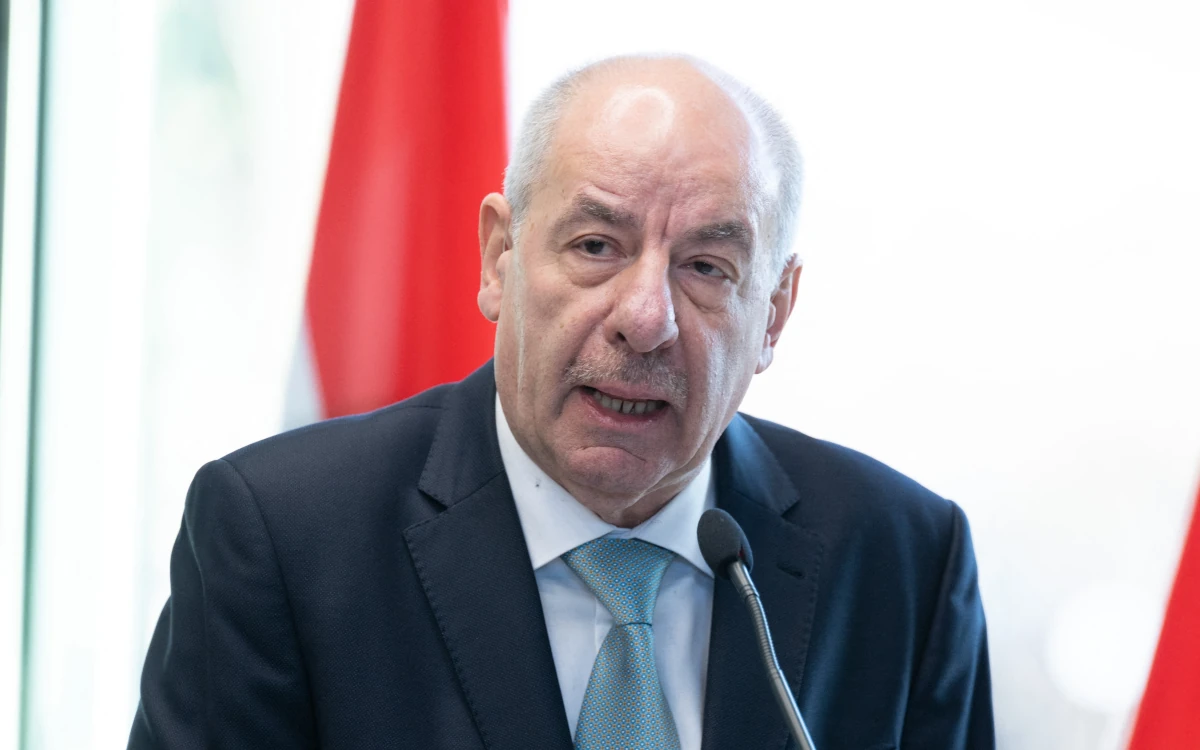
Hungarian President Tamas Sulyok, an ally of nationalist ex-leader Viktor Orban, said he will sign a newly passed constitutional amendment that would end his term in office as head of state.
Hungarian lawmakers passed the amendment on Monday as part of pro-EU conservative Prime Minister Peter Magyar’s push to loosen the grip the ousted Orban and his allies have held on the country.
In a Facebook video, Sulyok criticized the amendment but said he had no recourse to challenge it and therefore “I am fulfilling my obligation under the Fundamental Law after carefully weighing my legal options and my conscience”.
Magyar, who won a landslide victory in April on the promise of “regime change” after Orban’s 16 years in power, has accused the unpopular president and other top state officials of being Orban’s “puppets”.
Orban’s Fidesz party staged a protest last week, denouncing the constitutional change as “autocratic”, a charge often levelled against the former nationalist leader during his tenure.
Some rights groups have also criticised the move, with Human Rights Watch saying the tinkering was “reminiscent of (the) Fidesz era”. Sunday would be Sulyok’s final day in office under the amended constitution, with his mandate ending at midnight.
Magyar welcomed the president’s decision, saying that “the final obstacle to our joint decisions taking effect has been removed” with Sulyok’s departure. Orban, meanwhile, reacted in dramatic terms, saying that “the last barrier has fallen” and that “tyranny is no longer a threat, but a reality”.
Agnes Forsthoffer, the speaker of parliament, is set to temporarily serve as head of state until parliament elects a new president within 30 days.
In Hungary, the president does not have the power to veto changes to the constitution and can only send it to the constitutional court for review on strictly procedural grounds. Otherwise, the president has five days to sign a constitutional amendment.
The amendment also brings back a mandatory retirement age of 70 for judges on the constitutional court, which will force out the court’s leader, Peter Polt, who is seen as another Orban ally.
Other provisions include restoring the court’s power to review budget laws, introducing term limits for lawmakers and creating a new National Asset Recovery and Protection Office with sweeping powers to combat corruption. (AFP)