
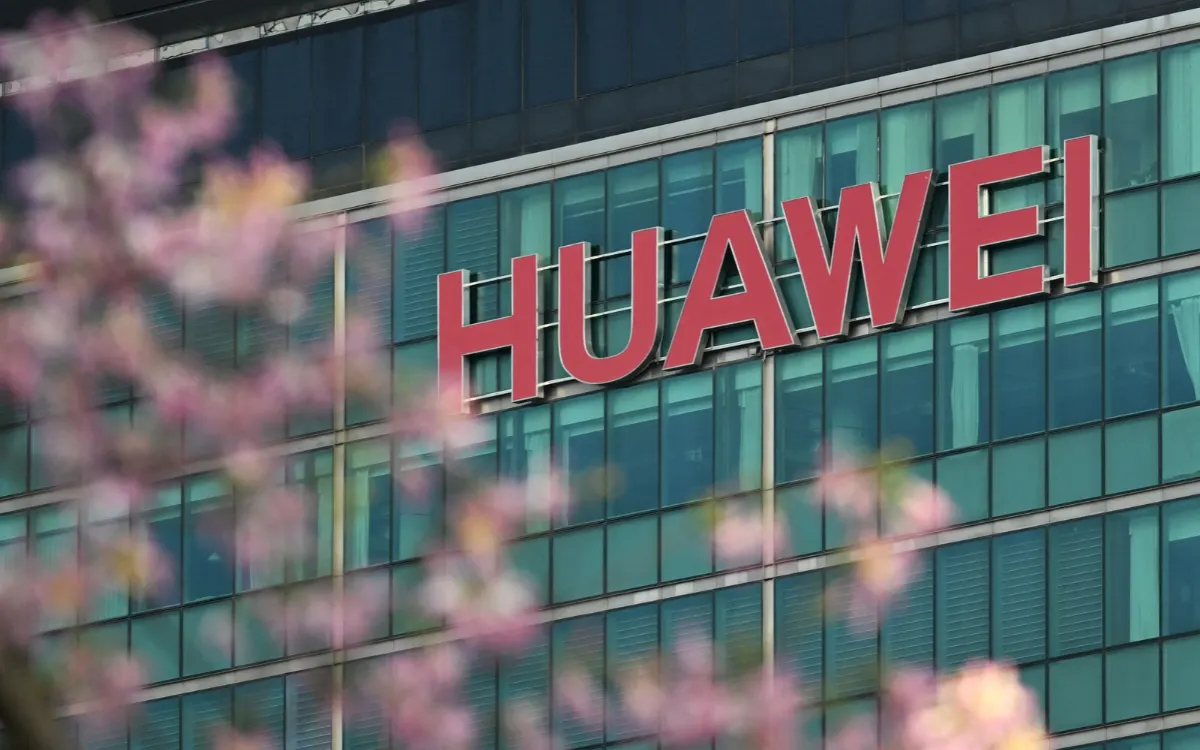
A U.S. jury’s conviction of Chinese telecommunications giant Huawei on trade-secret theft and fraud charges has reignited tensions between Washington and Beijing, threatening to complicate a fragile diplomatic rapprochement. The verdict underscores how technology, national security, and economic competition remain deeply intertwined in U.S.–China relations.
Following a three-month trial, a New York federal jury found Huawei guilty on Tuesday of 10 of 12 criminal counts, including bank fraud, conspiracy to steal trade secrets, and conspiracy to defraud the United States. Prosecutors accused the company of misrepresenting its business dealings in Iran to secure access to U.S. financial services and of improperly obtaining competitors’ technological information, while jurors acquitted it of racketeering conspiracy and obstruction of justice.
“The Chinese government firmly opposes the U.S. suppressing and containing Chinese enterprises and firmly supports Chinese enterprises in safeguarding their legitimate rights and interests,” Chinese foreign ministry spokesman Guo Jiakun said Wednesday. U.S. Attorney General Todd Blanche defended the verdict, declaring that “No person or company is above the law,” while Huawei rejected the remaining convictions as lacking legal and factual merit and pledged further legal action.
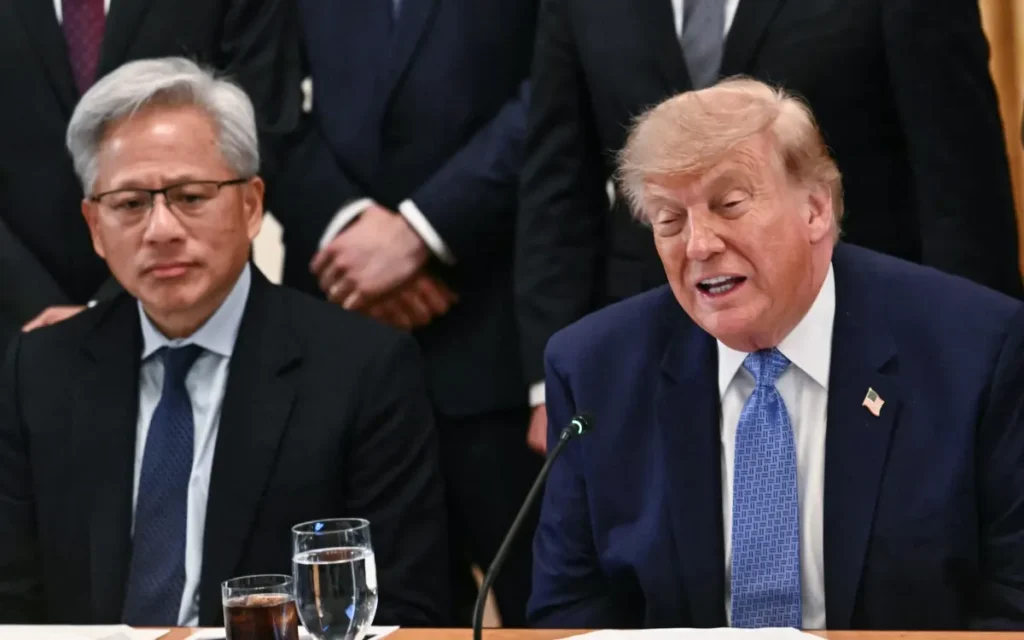
The ruling arrives just a week after Presidents Donald Trump and his Chinese counterpart sought to emphasize improved bilateral relations during talks in Shenzhen. Huawei has long occupied a central position in Washington’s concerns over Chinese technological influence, particularly regarding telecommunications infrastructure and potential intelligence vulnerabilities. The latest verdict adds a judicial dimension to an already contentious struggle over intellectual property, market access, and technological leadership, with artificial intelligence increasingly at the center of the competition. Allegations involving Iran also connect the case to Washington’s broader efforts to enforce restrictions through the international financial system, expanding its implications beyond bilateral trade.
The conviction could intensify pressure on Chinese technology companies operating internationally, particularly in markets where governments are already weighing security concerns against commercial interests. Beijing’s response suggests that legal action against major Chinese firms will continue to be interpreted through the lens of strategic containment, even as both governments pursue diplomatic engagement at the executive level. The central test will be whether Washington and Beijing can prevent disputes over technology and national security from undermining their broader efforts to stabilize relations. (AFP+EIR)