
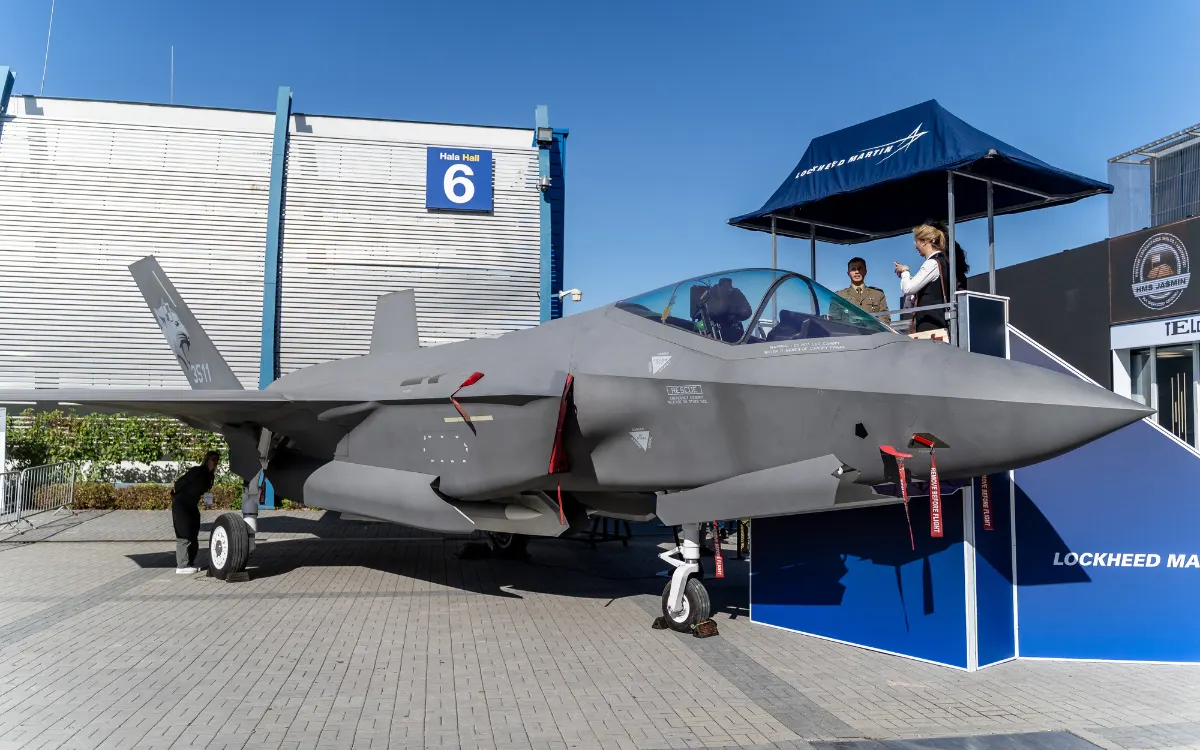
The United States has approved a $24.3 billion sale of 48 F-35 stealth warplanes to Saudi Arabia, the State Department said.
The transaction is the kingdom’s latest major arms purchase since the start of the war in Iran, amid missile and drone attacks by Houthi rebels in Yemen. Saudi Arabia has long sought to buy F-35s for a long time, but Israel, the only country in the Middle East operating the jets, has opposed the sale.
“The proposed sale will improve Saudi Arabia’s capability to deter current and future threats by strengthening its homeland defense, and improving interoperability with U.S. forces,” the State Department said, adding it will enhance the kingdom’s air-to-air and air-to-ground defense.
The Saudi embassy in Washington hailed the decision, saying it reflects the strength of relations with the United States and that the cooperation between the two countries “contributed to regional stability” and “shared security interests.” The move adds to the U.S. announcement earlier this week that the United States will offer intelligence assistance to Saudi forces because of the escalation in Yemen. The proposed sale still requires congressional approval.
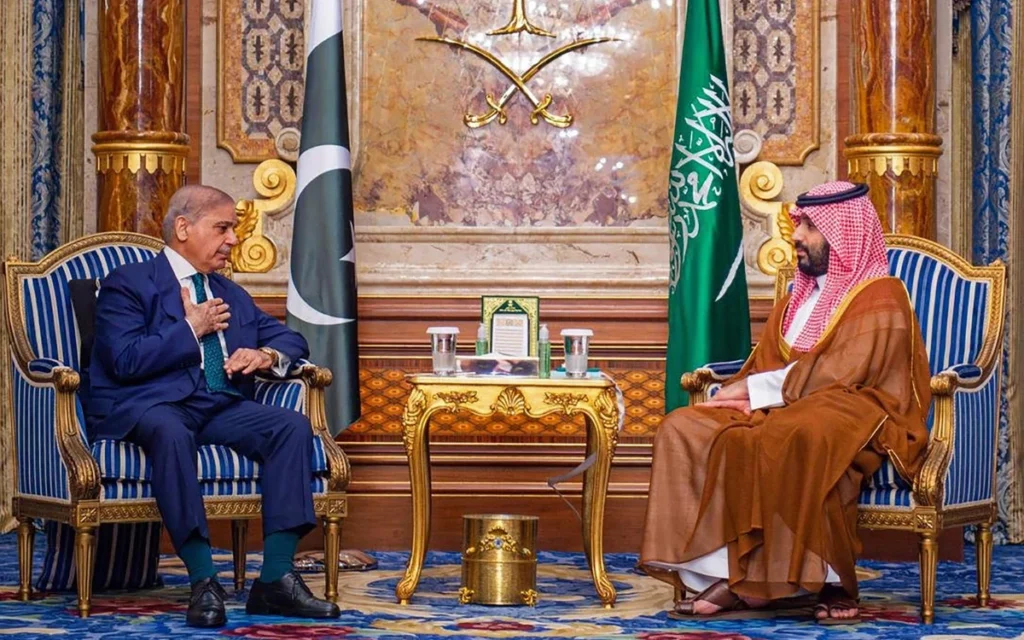
Meanwhile, Pakistan said it will “go to any extent” to defend Saudi Arabia, “both diplomatically and physically,” as Islamabad has a security pact with Riyadh and Ankara. The pledge comes after Riyadh accused Houthi forces of targeting Islam’s holy city of Mecca this week.
The F-35 approval and Pakistan’s defense pledge underscore Saudi Arabia’s efforts to strengthen its security relationships as the kingdom faces escalating missile and drone threats from the Houthis. The proposed F-35 sale would significantly enhance Saudi air capabilities, but it also raises strategic concerns beyond Yemen. Israel remains the region’s only F-35 operator, while U.S. lawmakers have raised concerns that sensitive aircraft technology could become vulnerable through Riyadh’s ties with China. At the same time, Pakistan’s increasingly explicit commitment to Saudi defense adds another layer to Riyadh’s security architecture, potentially giving the kingdom greater military backing without requiring direct U.S. intervention in the Yemen conflict. (AFP+EIR)