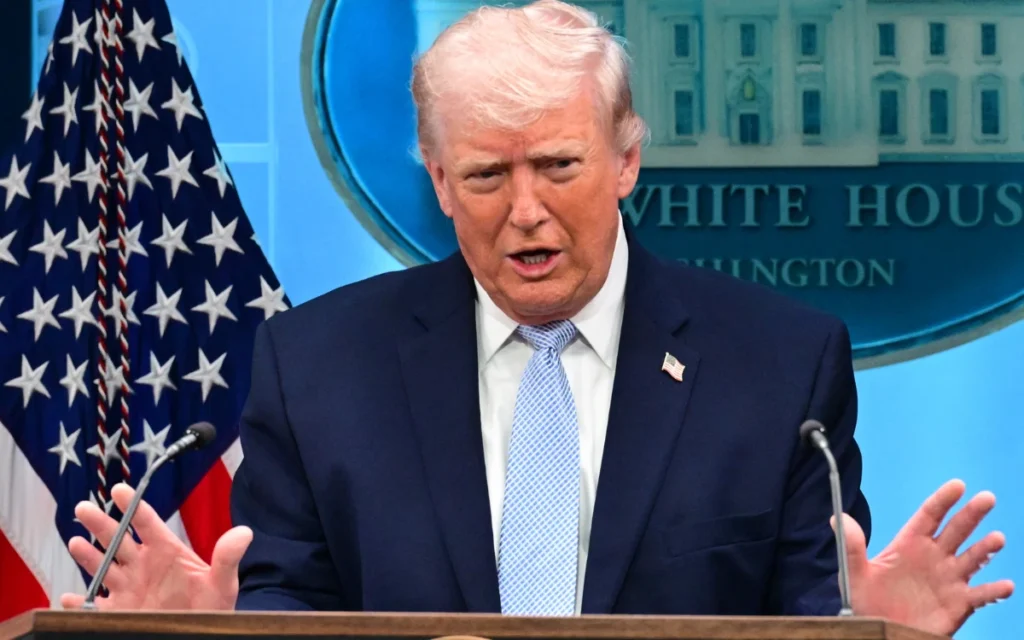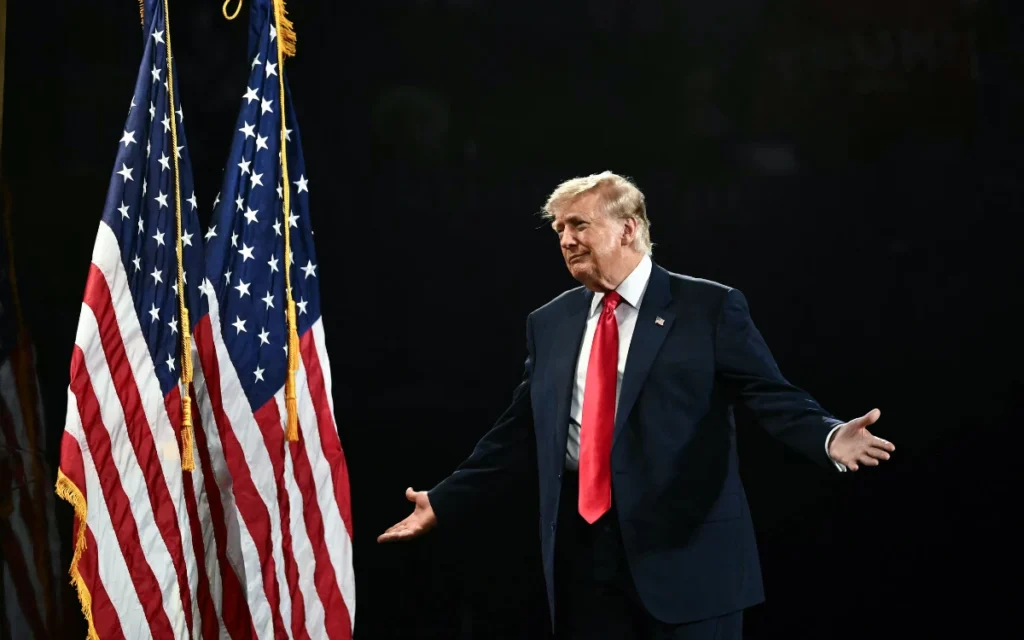

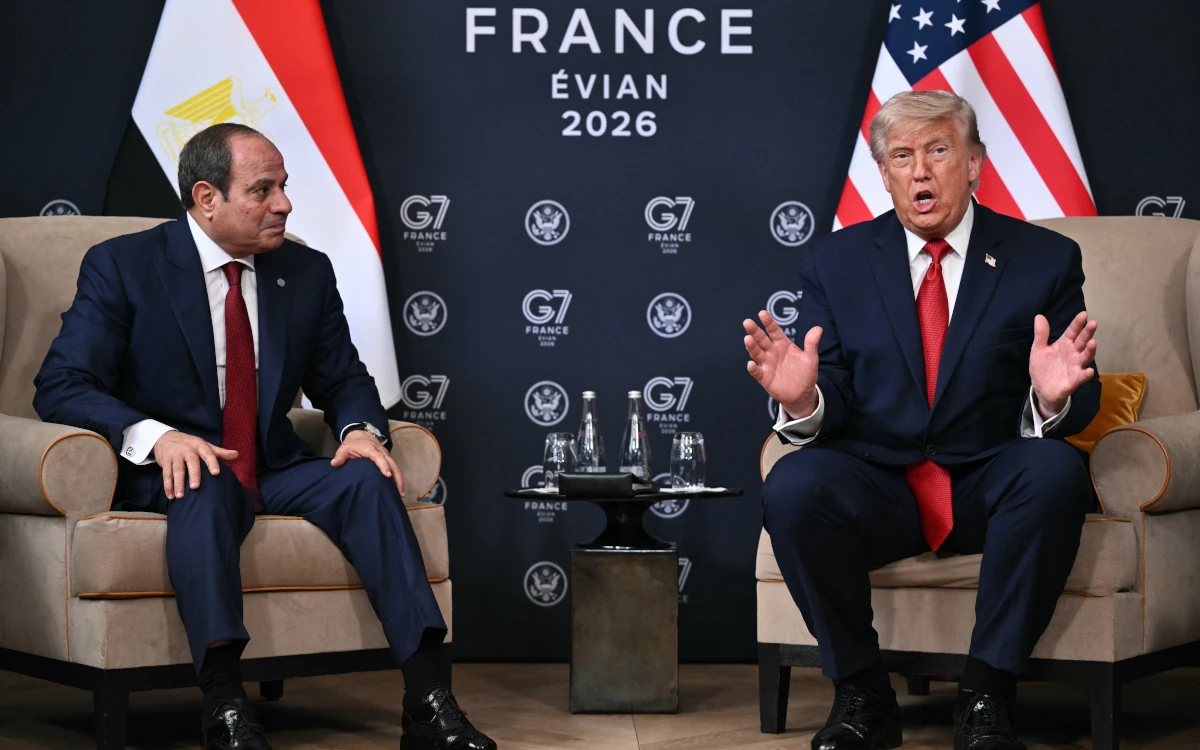
US President Donald Trump on Wednesday warned Iran he was ready to resume military action if Tehran did not abide by its obligations, two days ahead of the signing of an accord to end the war between the foes.
“If they (the Iranian side) don’t behave, we’ll go right back to dropping bombs right smack in the middle of their head,” Trump said at the G7 summit alongside Egyptian President Abdel Fattah al-Sisi.
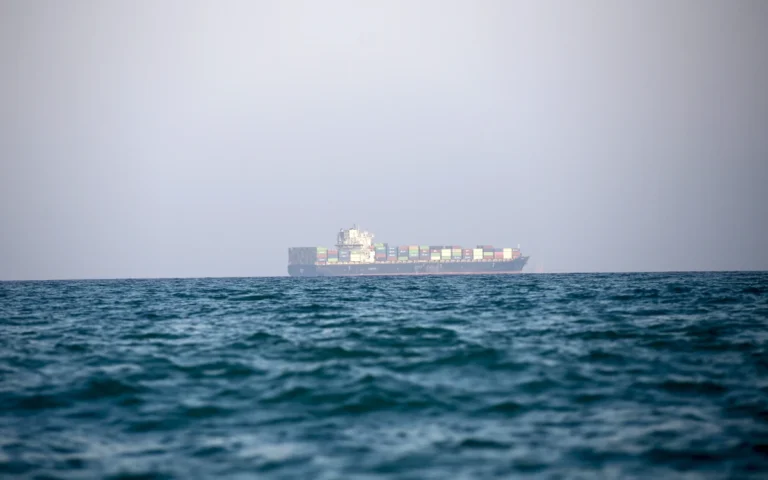
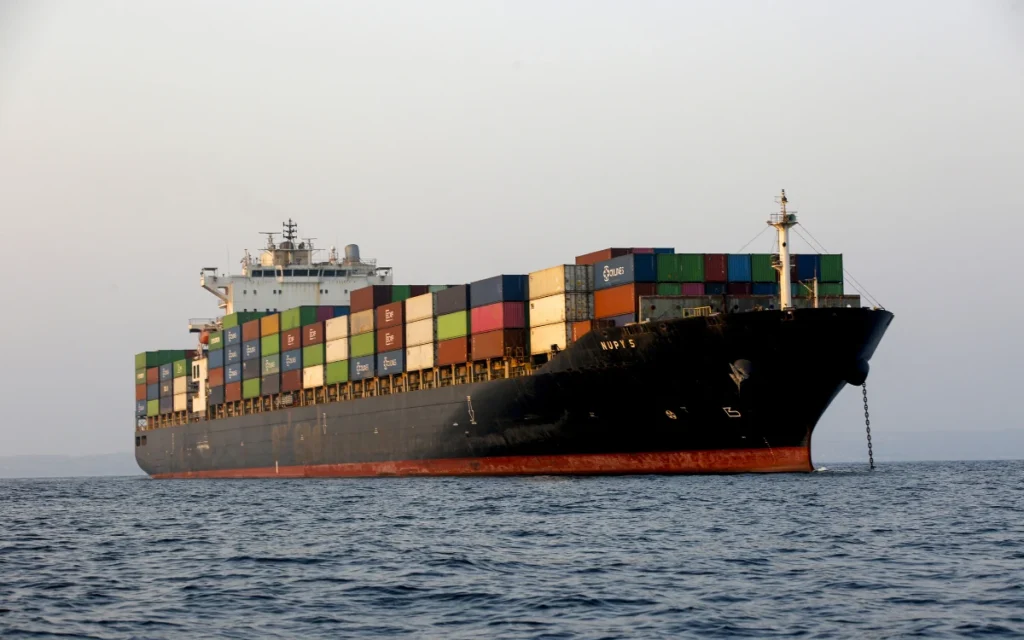
For his part, NATO chief Mark Rutte hailed the US-Iran deal to end the Middle East war, saying the planned reopening of the Strait of Hormuz, would be a “massive step forward”.
“The restoration of free passage through the Strait of Hormuz will be a massive step forward, and I know that many allies, through the initiative led by France and the United Kingdom, are ready to support,” Rutte told a press conference in Brussels.
Likewise, Pope Leo XIV also hailed the deal announced between Iran and the United States as the result of “encouraging work in dialogue and negotiation.”
The 70-year-old pope also spoke of the “painful” news about the war in Ukraine and prayed for “paths of dialogue… to make a just and lasting peace possible.”
Oil inventories held by OECD member countries fell in May to their lowest level since 1990 as governments drew down stocks to offset the blockage of Gulf crude shipments during the Middle East conflict, the International Energy Agency (IEA) said on Wednesday.
The drawdown since the start of the conflict has reached 163 million barrels in the Organization for Economic Cooperation and Development (OECD) club of wealthy countries, the IEA said in its monthly report.
“Despite the significant reductions in demand for crude oil and refined products, the buffers in the system continue to erode at a record pace,” the agency said.
The impact of high prices will weigh heavily on demand through this year, with an expected decline of 1.1 million barrels a day compared to 2025 levels, it added. (AFP)