
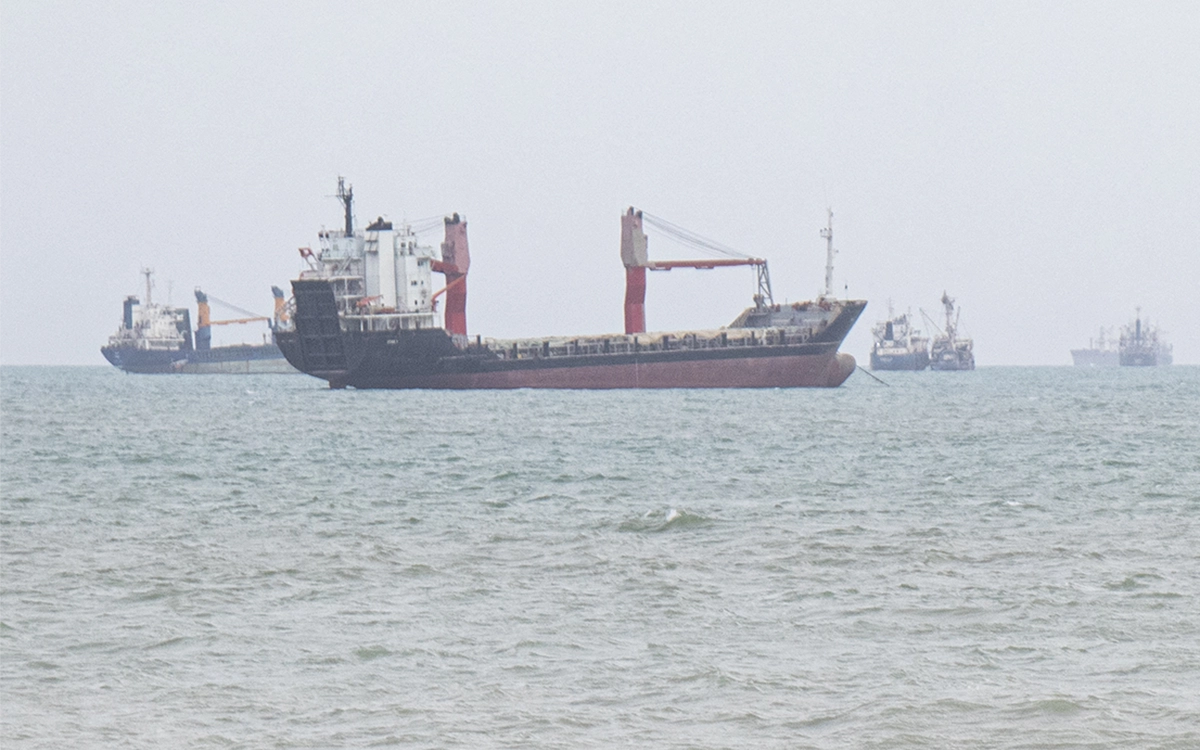
The Iranian Revolutionary Guard announced that it will not reopen the vital Strait of Hormuz unless the United States accepts Tehran’s conditions, including paying compensation for war damages.
Iran has effectively controlled the Strait of Hormuz since the outbreak of hostilities following the US and Israeli strikes on February 28. It currently requires ships to coordinate with Iran and use a route exclusively along its coastline, and intends to impose a “service fee” on vessels wishing to use the strait.
Attacks in the waterway, which was free to transit before the war, led to the collapse of an April ceasefire, and mediators have urged both sides to return to the terms of a subsequent June memorandum that set out a path for peace talks.
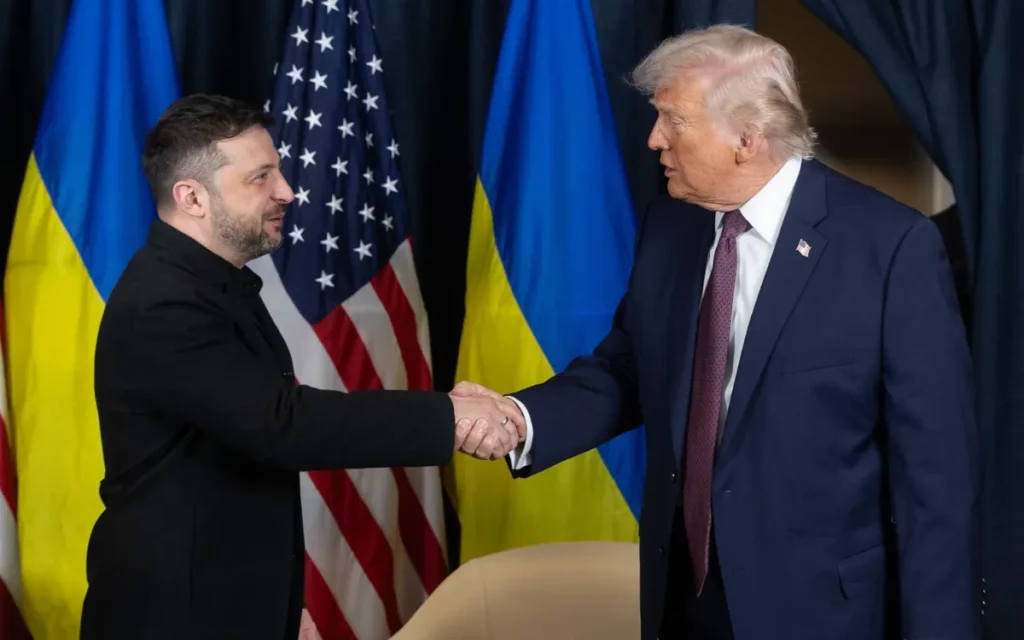
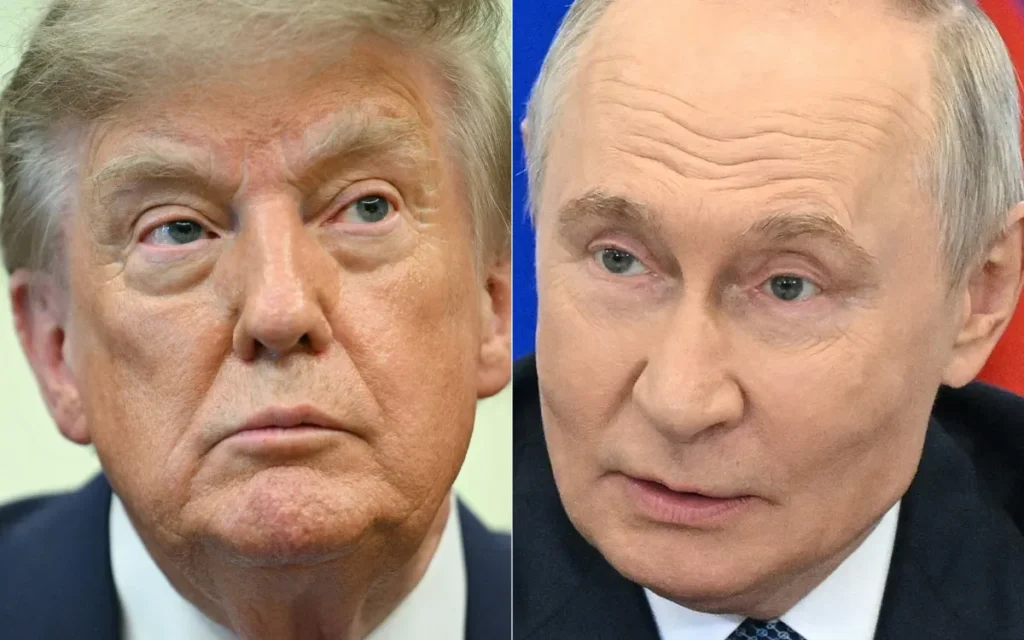
Earlier, US President Donald Trump downplayed the Iranian demands in an interview with an American news website. He said, “We’re handling it calmly,” adding, “We’re conducting limited negotiations with them. We’re simply observing Iran, with its massive inflation and the fact that it has no money.”
The United States has imposed a blockade on Iranian ports since July, which, according to Trump, is exacerbating Iran’s economic crisis. Trump added, “It will work out. It’s like a chess game.”
Meanwhile, the former commander-in-chief of Iran’s Revolutionary Guards, Mohsen Rezaee, has been named head of the country’s highest national security body, the Iranian presidency announced.
“In light of the resignation of Mohammad Bagher Zolghadr from his position as secretary of the Supreme National Security Council and his appointment to new functions, President Masoud Pezeshkian has named Mohsen Rezaee as the head of this body,” presidency spokesman Mehdi Tabatabaei said on X.
Rezaee, 71, led the Guards from 1981 to 1997 — a tenure that included almost all of the Iran-Iraq war — before going on to occupy several high-ranking political posts. He then served as military adviser to Supreme Leader Ayatollah Mojtaba Khamenei.
Rezaee declared in July that control of the Strait of Hormuz, now at the center of the ongoing conflict between Iran and the United States, was “more important than dozens of atomic bombs.”
His predecessor, Zolghadr, was also a former Guards commander and took up leadership of the council in March.
Earlier, Security chief Zolghadr on Saturday laid out a list of demands for reopening the strait, including an end to the “war and aggression against Iran and its allies in Lebanon, Palestine, Yemen, and Iraq”.
Iran’s Revolutionary Guards said on Sunday that their strategy was to maintain their blockade “until the enemy accepts all our conditions… the strait is now actually a theater of war for us and not just a waterway”.
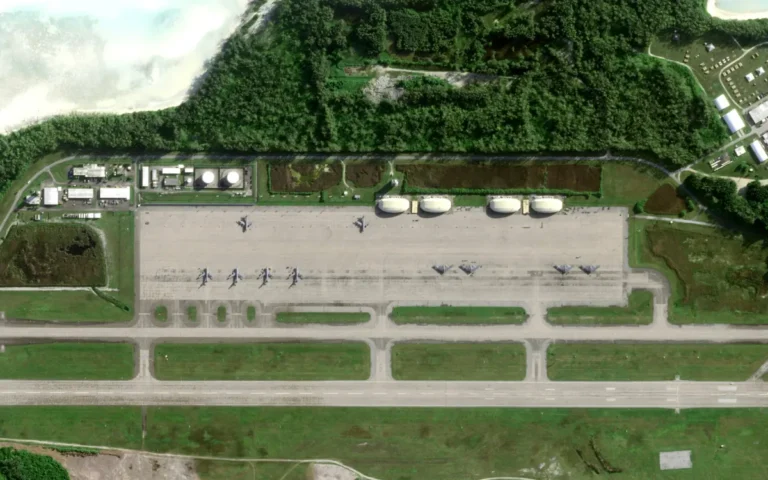
The IRGC demanded that Washington lift its naval blockade and withdraw its military forces, both naval and air, from the vicinity of Iran, and lift the unjust and illegal sanctions imposed on the Iranian people.
Those conditions echoed the terms of the June agreement, which included a provision to create a $300 billion reconstruction fund for Iran.
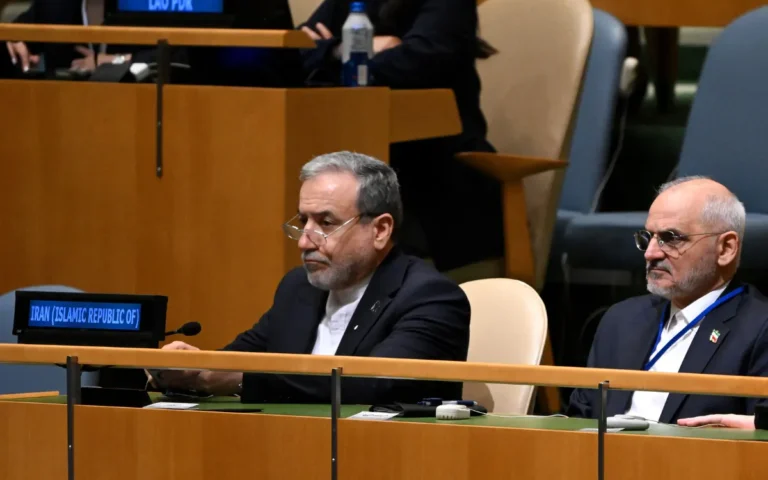
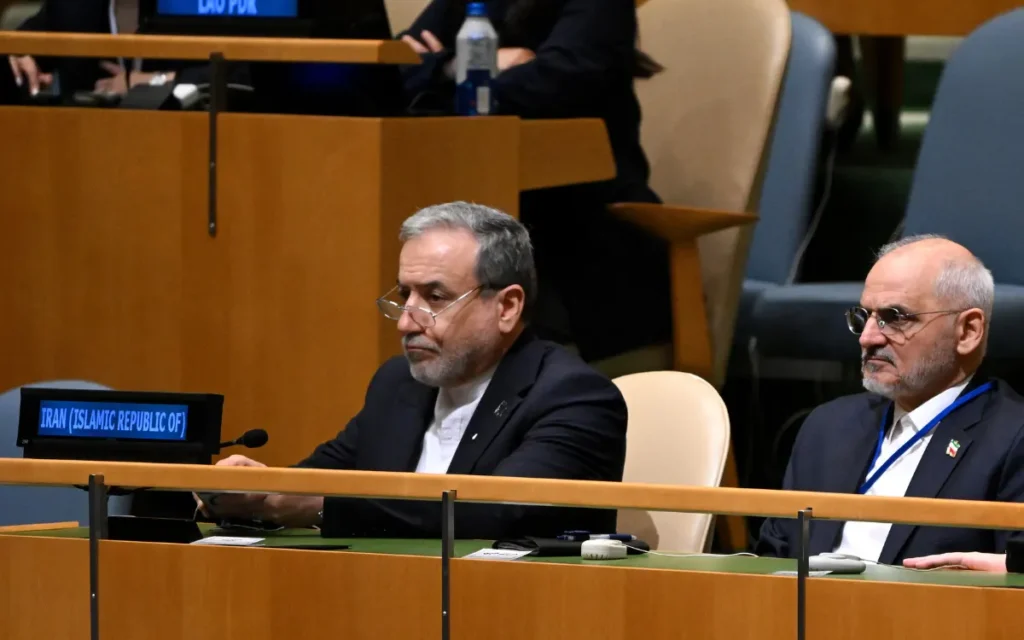
For his part, Iranian Foreign Minister Abbas Aragchi, who confirmed that reopening the Strait of Hormuz was contingent on certain conditions, denied the existence of direct negotiations with the United States, stating that the two sides were merely “exchanging messages” through intermediaries.
Navigation through the Strait of Hormuz has declined significantly due to the ongoing attacks. The memorandum of understanding stipulated that Iran and Oman would establish future arrangements for the Strait of Hormuz “in consultation with other Gulf coastal states” and “in accordance with applicable international law and the sovereign rights of the littoral states of the Strait of Hormuz.”
Some of these arrangements were included in the Iranian-American memorandum of understanding, which allowed for the resumption of navigation in the strait and initiated a 60-day process to definitively end the war.
In addition to the Gulf and Lebanon, Yemen became the latest front in the US-Iranian conflict in the Middle East last month, with the Houthis escalating their attacks and suspending a ceasefire with the Saudi-backed Yemeni government that had been in place since 2022. While Iran imposes strict restrictions on shipping in the Strait of Hormuz, its Houthi allies announced a parallel naval blockade of Saudi ports on the Red Sea, the kingdom’s other major maritime outlet for oil exports.
The Houthis claimed to have targeted the Aramco refinery in Jizan on Saudi Arabia’s Red Sea coast, after Riyadh announced it had extinguished a fire at the site. Apart from the Strait issue, no diplomatic progress has yet been recorded, particularly regarding the Iranian nuclear file. (AFP)