

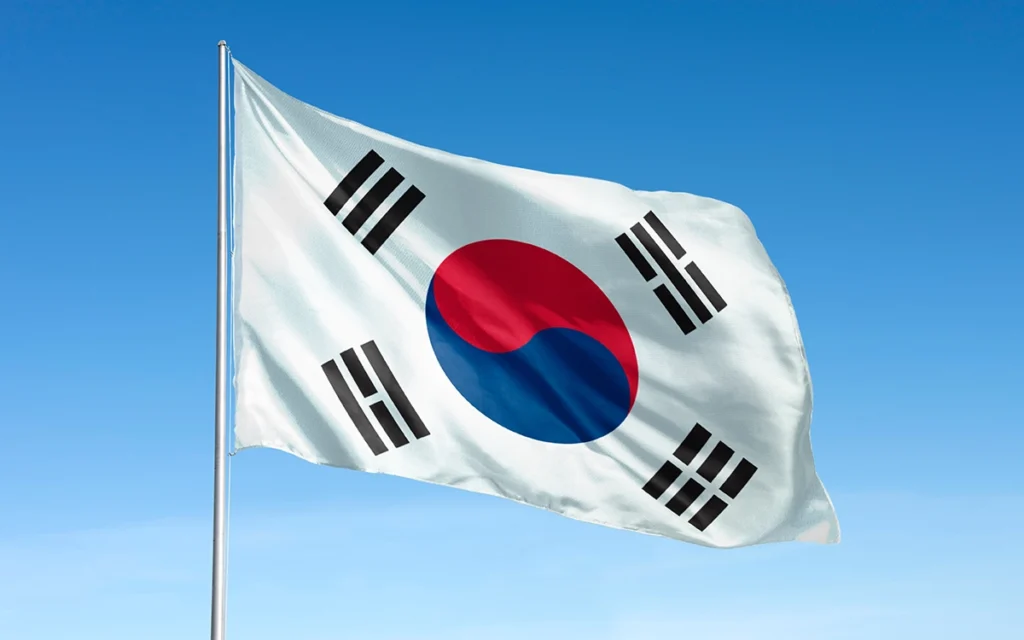
South Korea has abandoned its campaign prioritizing pressure on the North to dismantle its nuclear weapons, a minister said Thursday, marking a fresh overture by Seoul’s dovish government.
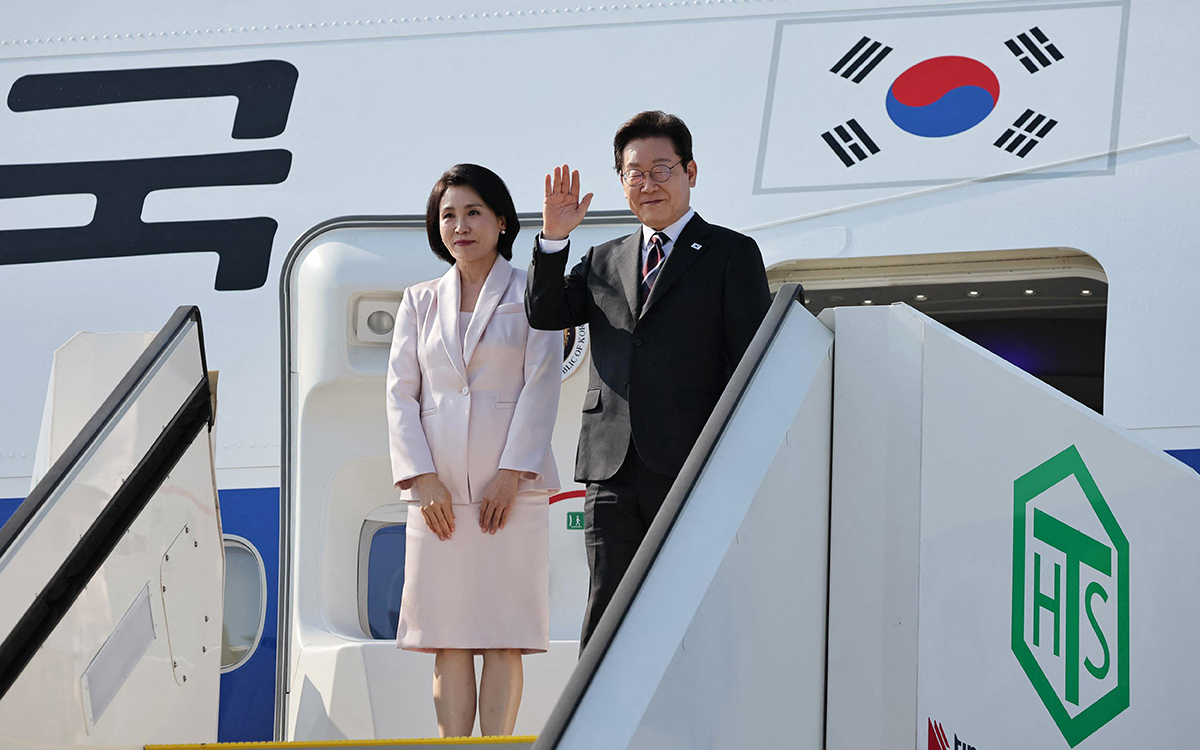
President Lee Jae Myung has reversed the stance of his hawkish predecessor since taking power in Seoul in June 2025, offering nuclear-armed Pyongyang talks without preconditions. The hermetic leadership of North Korea have yet to respond to his repeated offers.
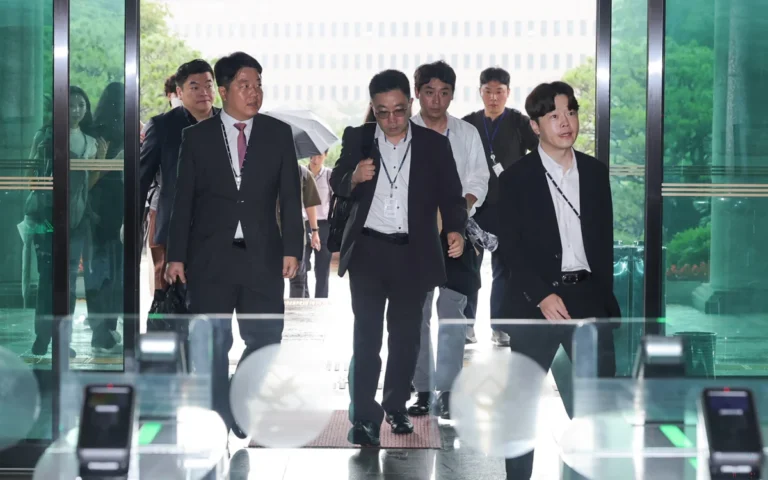
But in a Thursday meeting with local reporters, Unification Minister Chung Dong-young said South Korea has shifted its priorities from disarmament, focusing instead on halting the expansion of Pyongyang’s nuclear activities.
“The government has effectively abandoned the previous administration’s denuclearization-first approach and its insistence on the prior dismantlement of North Korea’s nuclear program,” he said, according to a transcript of the meeting.
The long-term goal of denuclearization remains unchanged, the minister said, but stymying new developments will be the administration’s focus.
“The immediate priority is to stop it,” he said. “Every hour that passes, North Korea continues to expand and advance its nuclear program.”
Pyongyang is under widespread sanctions over its nuclear program and is believed to possess dozens of warheads.
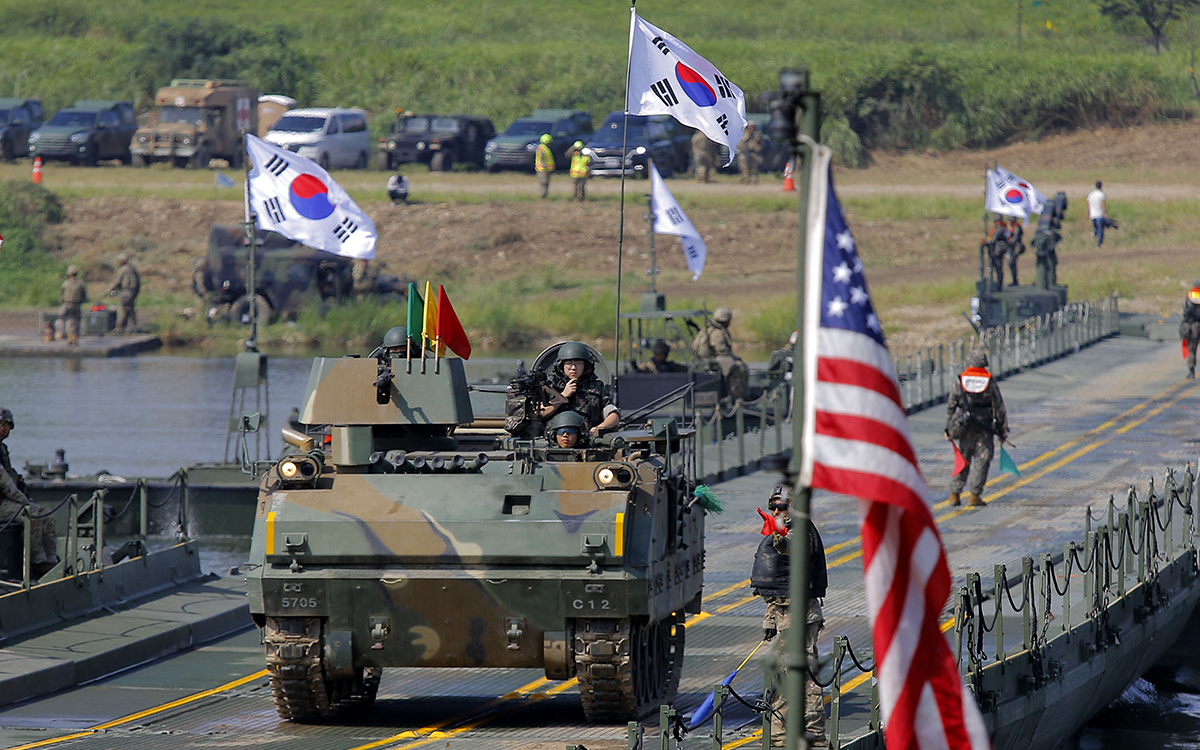
South Korea has hosted no nuclear weapons on its soil since 1991, when its biggest military ally the United States withdrew stockpiles.
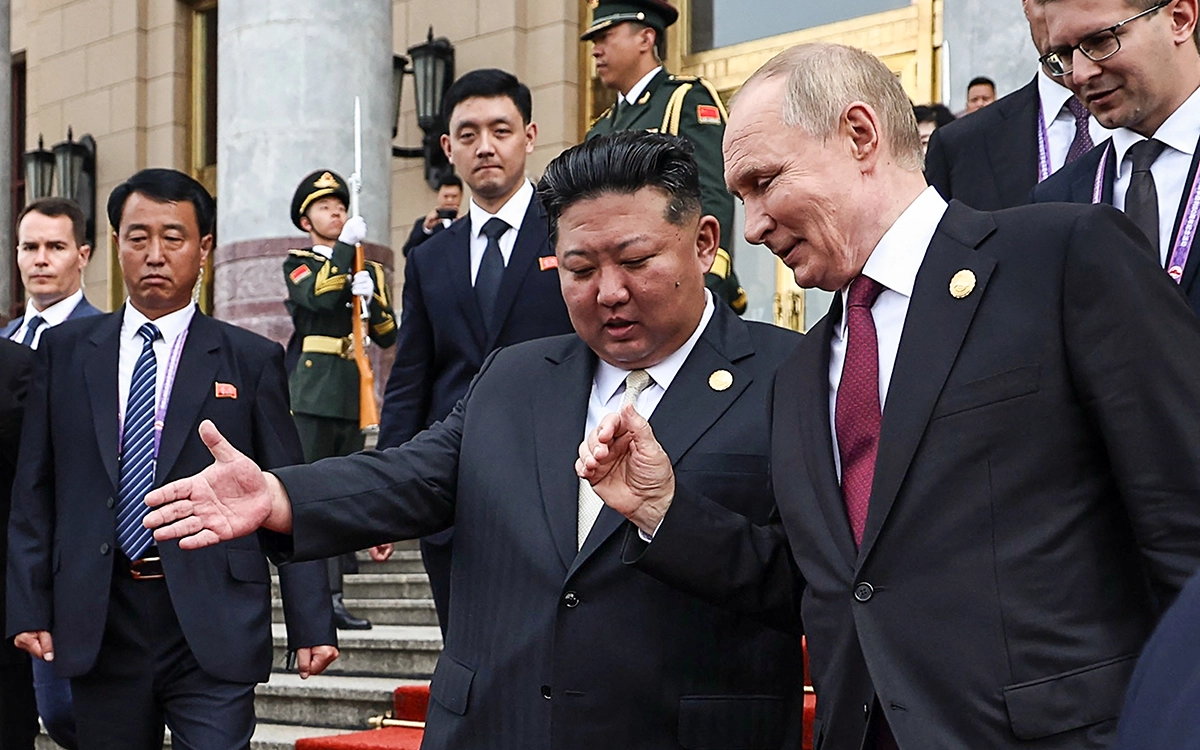
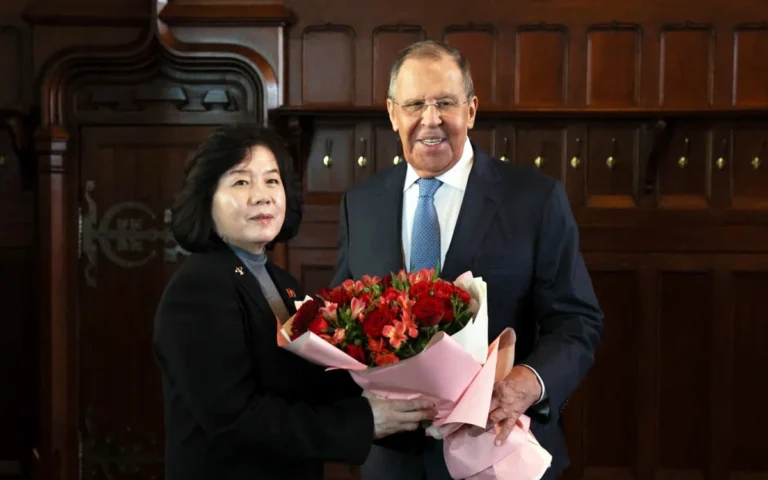
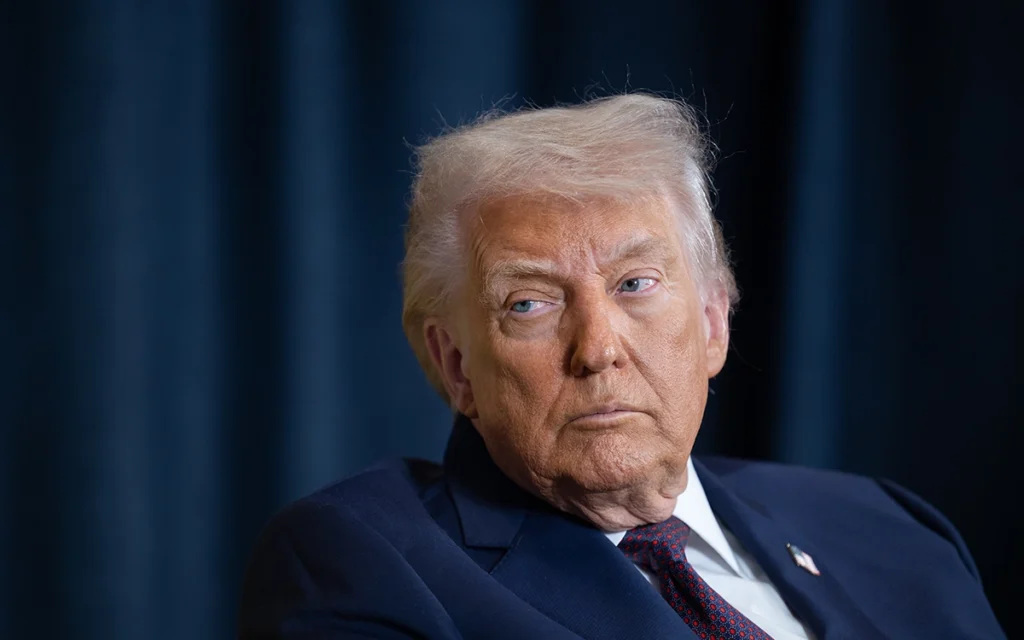
The North has repeatedly declared itself an “irreversible” nuclear state since a 2019 summit between leader Kim Jong Un and US President Donald Trump collapsed over the scope of denuclearization and sanctions relief.
Earlier this month, Pyongyang vowed to strengthen its nuclear forces “both in quality and quantity”.
The South Korean president previously said that freezing Pyongyang’s nuclear capabilities at current levels by suspending new production and preventing nuclear materials being imported would itself be “a gain”.
The two Koreas remain technically at war because their 1950-53 conflict ended with an armistice rather than a peace treaty. (AFP)