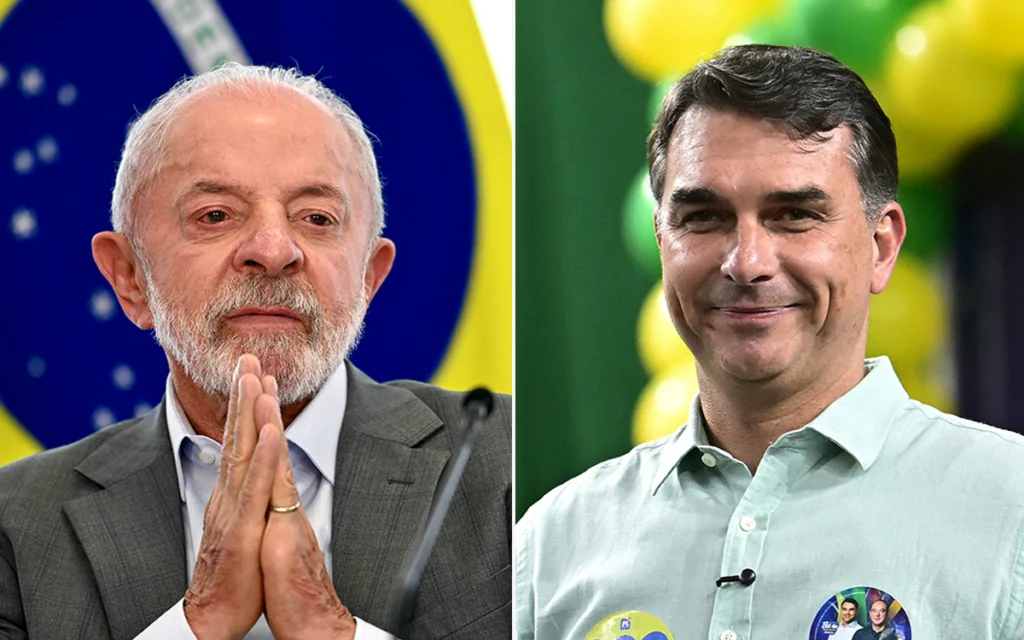

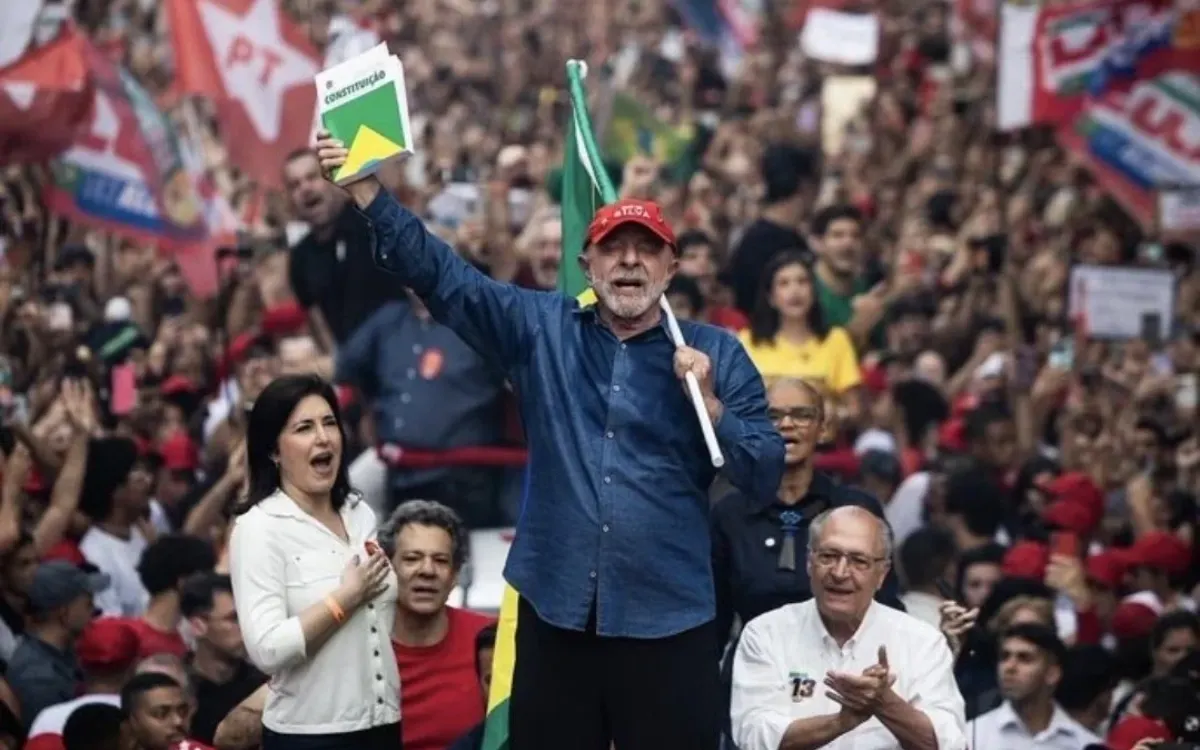
Brazilian President Luiz Inacio Lula da Silva secured a fourth nonconsecutive presidential term in Sunday’s election, defeating conservative rival Flavio Bolsonaro in a closely contested runoff. Bolsonaro refused to accept the outcome and pledged to seek its annulment, raising concerns about political stability in Latin America’s largest country.
According to official results, Lula won 51.8 percent of the vote against Bolsonaro‘s 48.2 percent, securing approximately 4.4 million more votes. The election was marked by controversy after Brazil’s Supreme Court extended voting by two hours. Lula had complained about public transportation disruptions, while Flavio Bolsonaro had also requested additional voting time in some regions because of heavy rain. Bolsonaro subsequently denounced the decision as an unacceptable change to election procedures and announced plans to challenge the outcome. Lula’s victory also defied expectations amid a broader conservative shift across several Latin American countries.
“It is impossible to recognize the results. I am going to request the annulment of these elections,” Bolsonaro said. European Commission President Ursula von der Leyen, meanwhile, congratulated Lula on Monday, describing his victory as a win for “democracy and multilateralism.” She reaffirmed Europe’s commitment to cooperation with Brazil on free and open trade, a rules-based international order, and climate policy.
The election highlights Brazil’s deep political divisions. Bolsonaro, whose father, former President Jair Bolsonaro, is serving a 27-year prison sentence for attempting a coup following the 2022 election, mobilized voters frustrated by living costs and crime. Lula campaigned on his government’s record of reducing inflation, unemployment, and hunger, while benefiting from increased voter mobilization between the two rounds. His victory also interrupts a regional trend toward right-wing governments in Argentina, Chile, Colombia, and Peru.
Despite securing another mandate, Lula faces substantial political constraints. Nearly half of voters backed his opponent, while a right-dominated Congress could complicate his legislative agenda. Bolsonaro’s planned legal challenge adds uncertainty to the post-election political environment. Internationally, the positive response of the EU leadership signals an interest in maintaining strong relations with Brasília, particularly on trade and climate cooperation. Lula’s ability to govern effectively will depend on navigating domestic polarization while sustaining Brazil’s international partnerships. (AFP+EIR)