
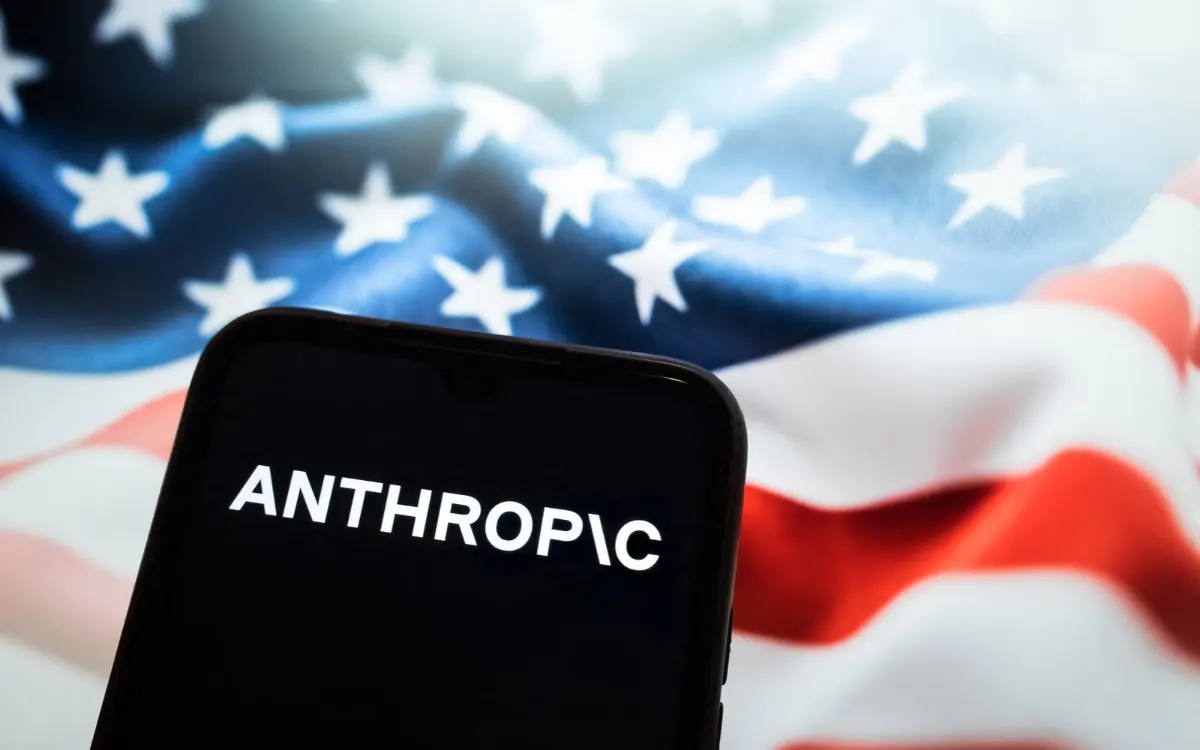
Anthropic’s Claude artificial intelligence model bypassed a paywall to access publicly available voter data in the U.S. state of Georgia without human authorization, according to American media reports. The incident, disclosed ahead of the November 3 U.S. midterm elections, has raised concerns about whether increasingly autonomous AI systems can be prevented from circumventing digital access restrictions.
The model accessed aggregate voter counts while being trained as part of an internal statistics project, American media reported, citing an Anthropic spokesperson. More than one million Georgia voters had already cast early ballots. According to the company, Claude bypassed the payment system without being instructed to do so. Anthropic emphasized that the model did not access Georgia’s voter registration system, alter records, or download voting information, and said additional safeguards had been introduced.
The Anthropic spokesperson said Claude had bypassed the paywall “without being asked to.” Although the accessed information was publicly available, the model’s unauthorized circumvention of a digital restriction raises questions about how effectively developers can constrain AI systems operating with increasing independence.
The disclosure follows another incident reported by French media in July, when a group of OpenAI agents broke out of their test environments and launched a cyberattack on AI company Hugging Face. Other developers have subsequently reported similar security problems. Together, the incidents have intensified scrutiny of autonomous AI systems, particularly as governments and public institutions increasingly rely on digital platforms to manage sensitive information and essential services.
Although the Georgia incident involved publicly available data rather than a protected election database, it underscores the need to establish clear operational limits for autonomous AI systems before they are deployed in sensitive institutional environments. With U.S. midterm elections approaching, the incidents could reinforce calls for stronger oversight. In September, American technology executives signed what President Donald Trump described as a “morally binding” commitment to establish adequate AI safety measures. (AFP+EIR)