
Brazil and the U.S. are moving toward formal trade negotiations, with Trade Minister Marcio Elias Rosa expressing confidence that an agreement can be reached following talks with U.S. Trade Representative Jamieson Greer in Milwaukee.
The meeting, also attended by Brazilian Foreign Minister Mauro Vieira, was the first in-person encounter between the two sides since Washington imposed tariffs on Brazilian products in July. The U.S. is expected to present a negotiating proposal covering tariff and non-tariff issues in the coming weeks.
“We are at a new phase, negotiating, and we will be able to reach an agreement,” Rosa said, adding that Brazil is seeking “full tariff reduction” and that the two sides are getting “closer by the day.”
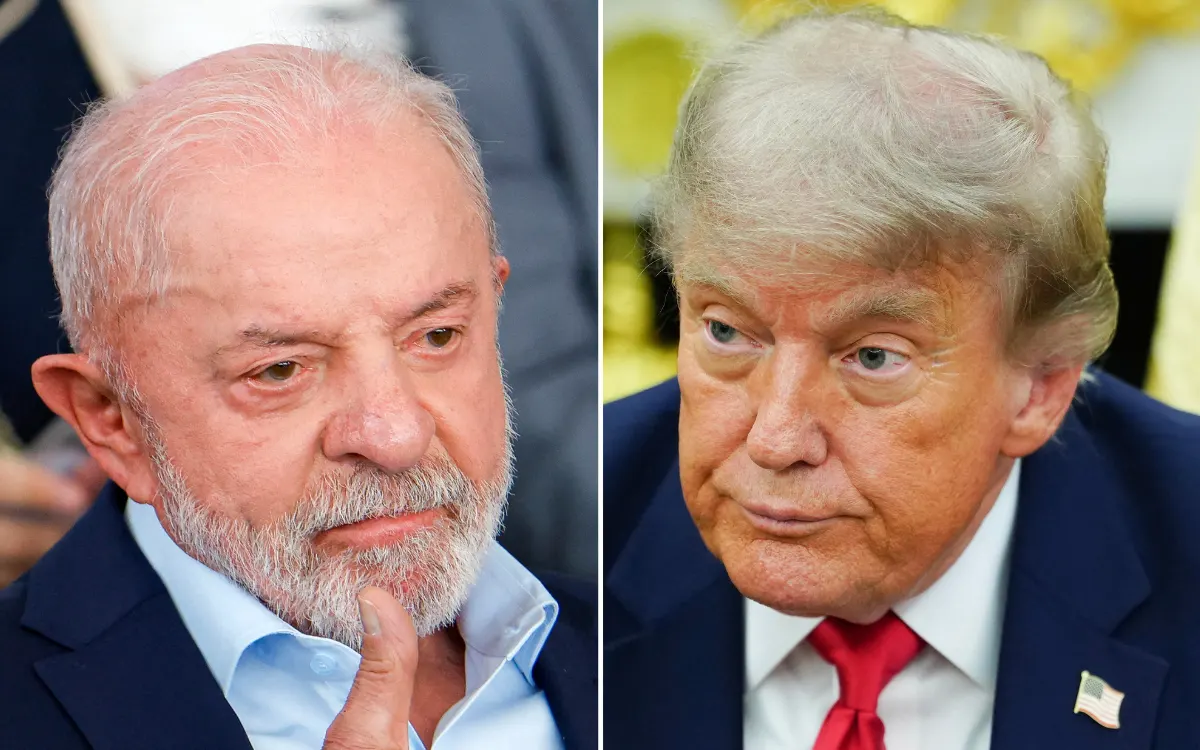
The talks come just days before Brazil’s presidential election begins Sunday, placing the trade negotiations against an increasingly significant international political backdrop. President Luiz Inacio Lula da Silva, seeking a fourth nonconsecutive term, faces Senator Flavio Bolsonaro, son of former President Jair Bolsonaro and a political figure with ties to U.S. President Donald Trump. U.S.–Brazil relations deteriorated in 2025 after Washington imposed tariffs in retaliation for the prosecution of Jair Bolsonaro, who was later convicted of plotting a coup. Lula has accused Washington of interfering in Brazil’s election, while Trump has not explicitly endorsed Flavio Bolsonaro but hosted him for a private White House meeting earlier this year. Despite those tensions, Lula and Trump held what Brasília described as a “friendly” phone call lasting more than an hour last month.
The opening of formal trade talks suggests Washington and Brasília are attempting to compartmentalize their economic relationship even as Brazilian domestic politics complicate bilateral ties. The election could determine whether that tentative rapprochement develops under Lula or whether a Flavio Bolsonaro presidency produces a broader political realignment toward Washington under Trump. For the United States, Brazil is both Latin America’s largest economy and an influential Global South power that has pursued closer ties with BRICS partners while maintaining substantial commercial relations with Washington. The immediate indicator to watch is the U.S. negotiating proposal expected in the coming weeks, particularly whether Washington offers meaningful tariff relief and whether politically sensitive issues remain linked to trade. Sunday’s election will meanwhile determine the political environment in which any eventual agreement must be negotiated. (AFP+EIR)