
The diplomatic rupture between Spain and the United States is not merely a discrete dispute over language in a communiqué but the visible edge of a deeper contest over the legitimacy of the current U.S.-led campaign against Iran, the limits of allied acquiescence, and the extent to which economic coercion can substitute for consensus-building in 21st-century alliance management.
The signposts are now familiar: Madrid’s public refusal to authorize the use of Spanish facilities for offensive operations, sharp rhetoric from the White House and senior U.S. officials implying punitive economic measures, and an unusually explicit intervention from Brussels defending a member state. The immediate facts are straightforward; the consequences—both bilateral and structural—are more complex.
The immediate facts on diplomatic rupture between Spain and the United States are straightforward; the consequences—both bilateral and structural—are more complex
Escalation and Its Transatlantic Reverberations
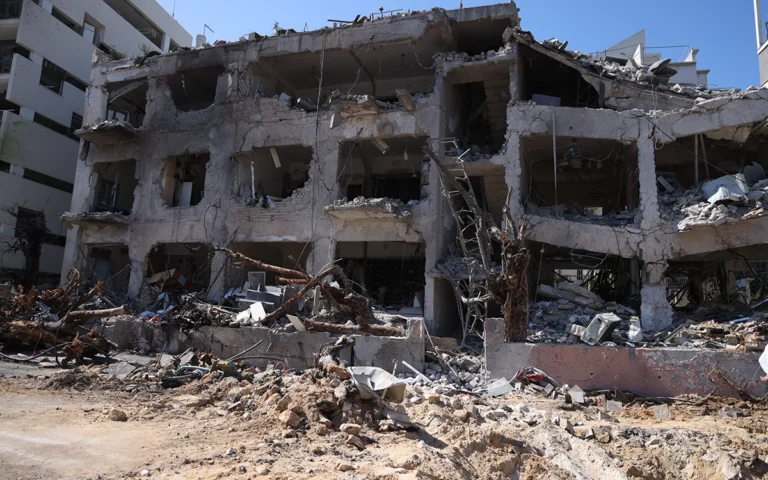
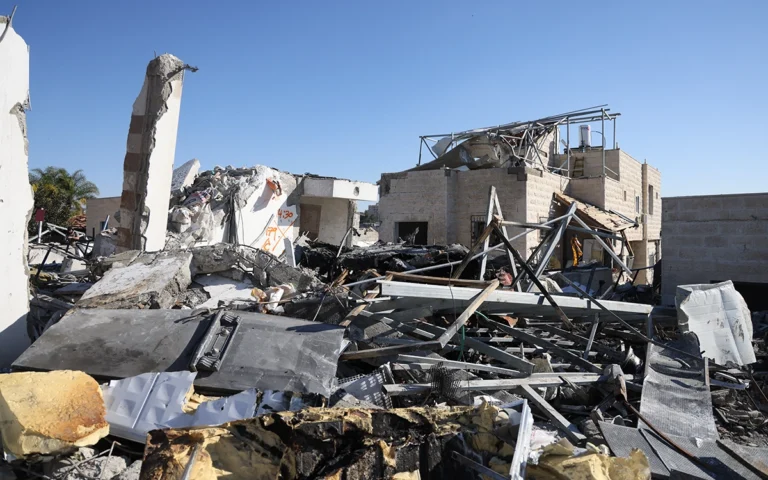
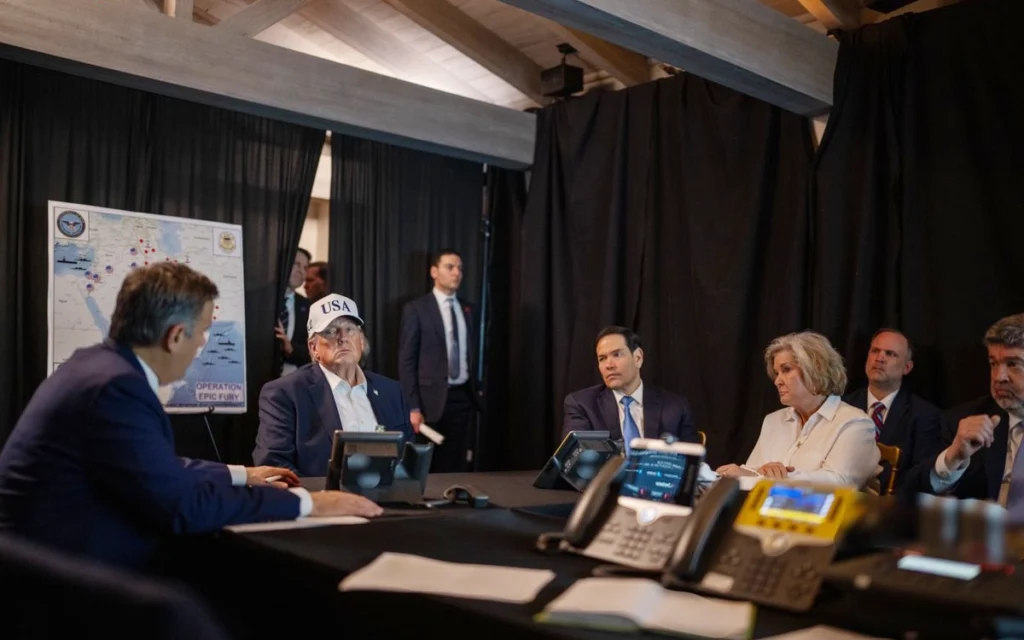
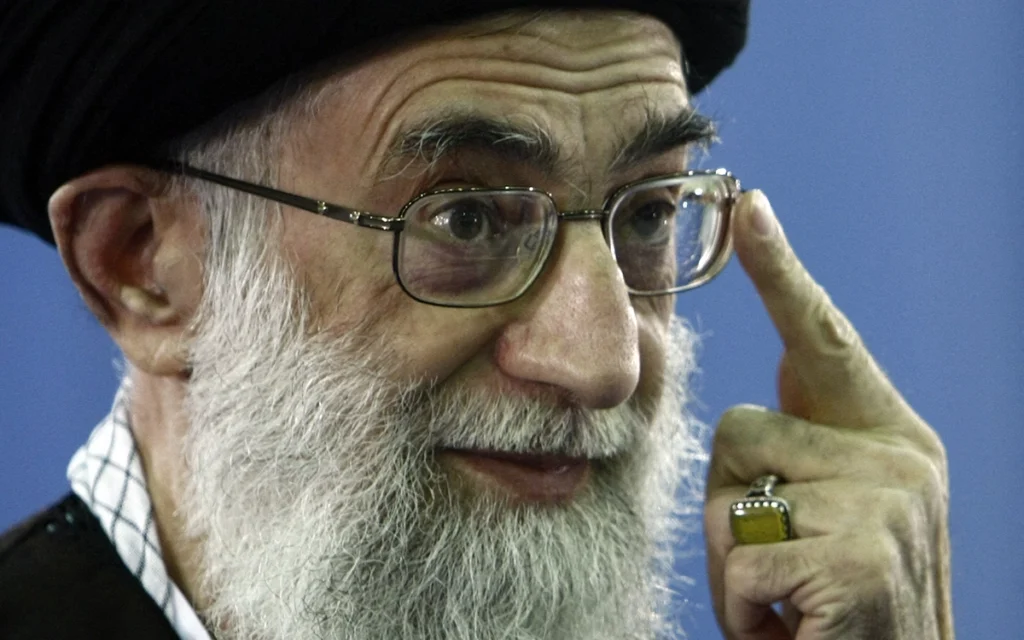
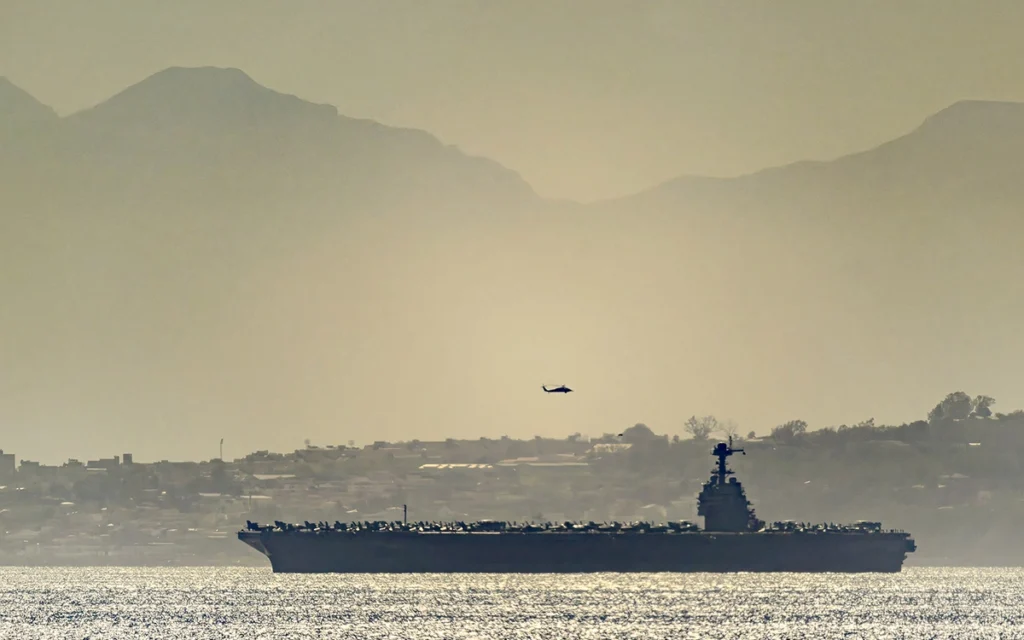
The confrontation between Madrid and Washington must be understood within the broader escalation triggered by U.S. and Israeli strikes on Iranian targets. Washington framed those operations as a necessary response to Iran’s nuclear ambitions and regional activities. Iran retaliated with missile and drone strikes against U.S. assets in the region, including attacks connected to the American Fifth Fleet presence in Bahrain, further intensifying the conflict.
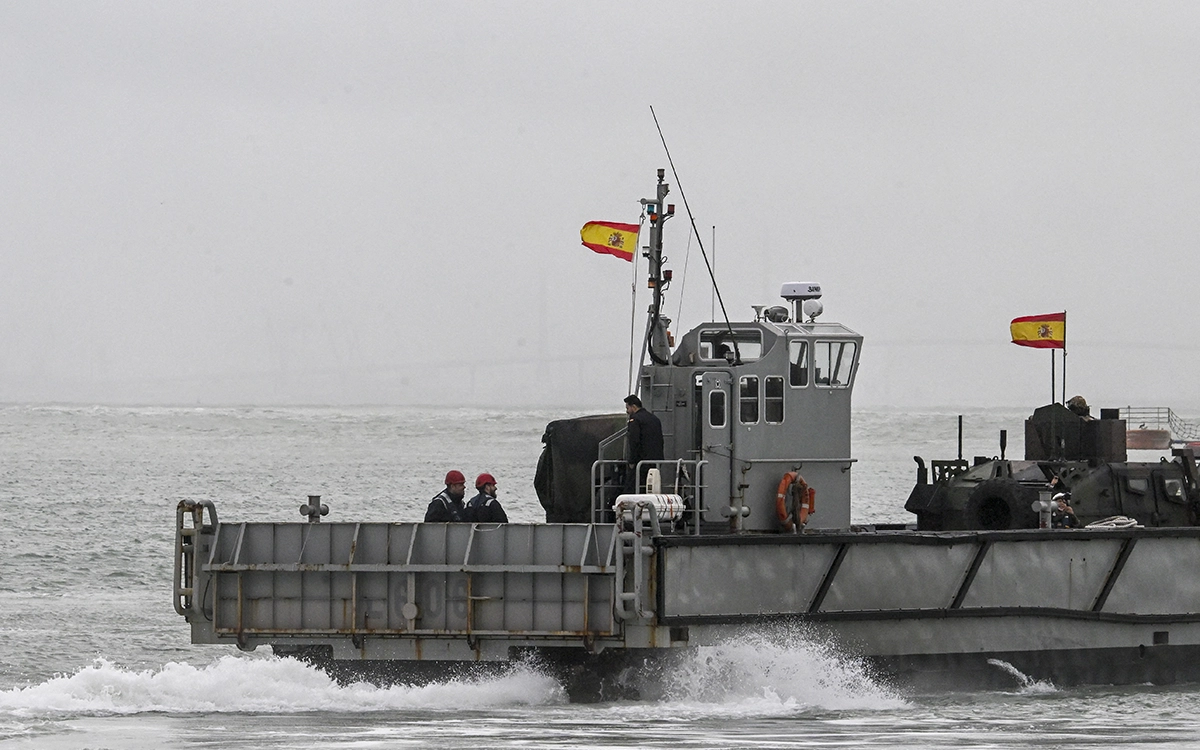
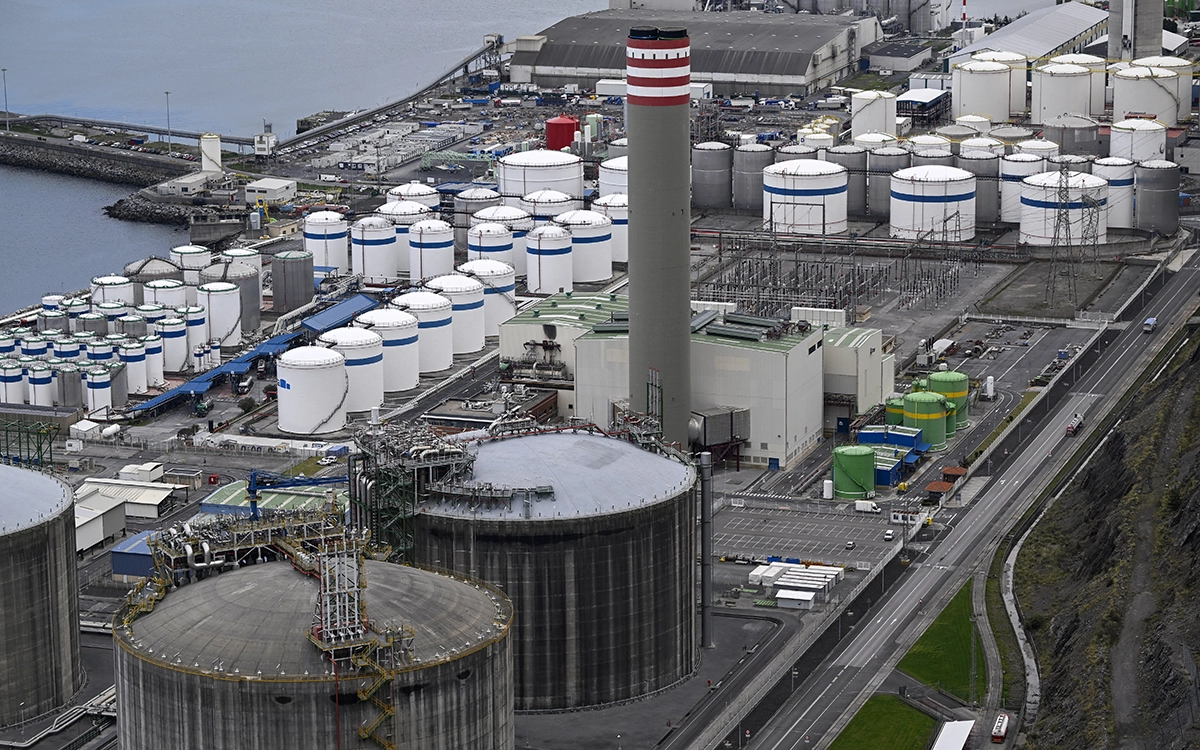
The operational demands of this campaign required logistical cooperation from allied territory, particularly in Europe and the Mediterranean. Access to airfields, refueling infrastructure, and naval facilities has long been central to American expeditionary operations. Spain occupies a particularly strategic position within this network. The naval base at Rota and the air base at Morón have long served as major nodes for U.S. operations in the Mediterranean, Africa, and the Middle East.
However, the U.S. decision to launch large-scale strikes without a broad international coalition or a United Nations mandate generated unease among several European governments. European leaders faced a familiar dilemma: supporting a long-standing ally while avoiding political association with another Middle Eastern war that lacked clear legal justification or political consensus. The result has been a fragmented European response, with some states offering limited cooperation while others have openly distanced themselves from the campaign.
Madrid’s Refusal and Left-Wing Constraints
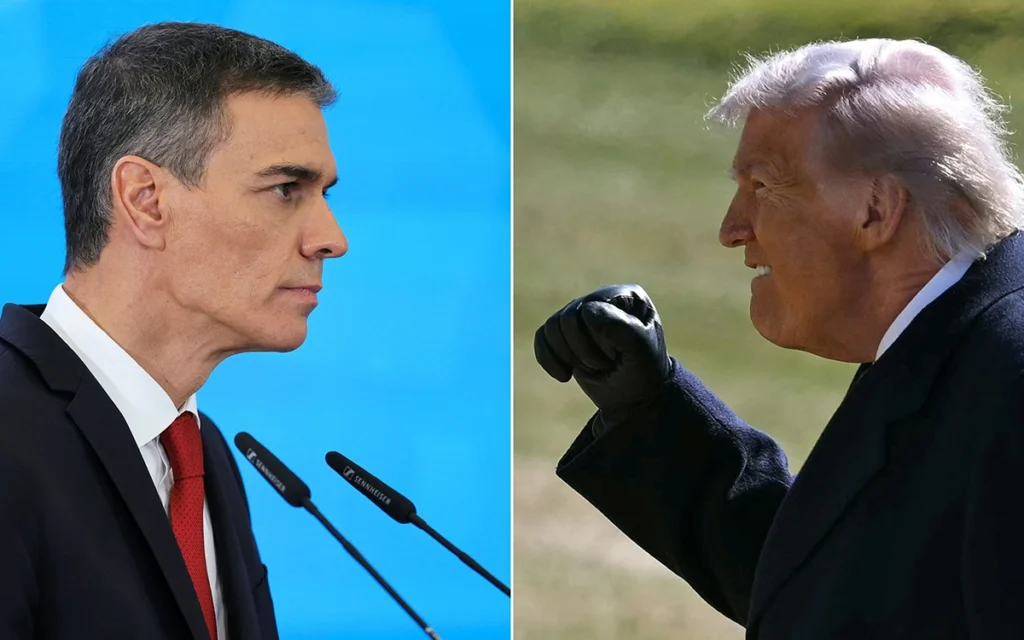
The Spanish government’s position was articulated clearly by Prime Minister Pedro Sánchez and his senior ministers. Madrid refused Washington’s request to use Spanish facilities for offensive operations against Iran, arguing that such use would fall outside the legal framework governing the U.S. military presence in Spain and lacked an international mandate. Foreign Minister José Manuel Albares emphasized that the bilateral agreements regulating U.S. bases did not authorize their use for unilateral military action without adherence to international law. Defense Minister Margarita Robles reinforced this stance, stating that the bases “are not being used—nor will they be used—for operations outside the terms of the agreements.”
Sánchez himself went further in his public rhetoric, characterizing the U.S. and Israeli strikes as “unilateral military action” that risked escalating instability across the Middle East. At the same time, he sought to maintain diplomatic balance by criticizing both Iran’s regional behavior and the risk of further escalation, calling instead for immediate de-escalation and renewed negotiations.
Spain’s stance is primarily shaped by domestic political realities. Sánchez governs through a left-wing coalition led by the Spanish Socialist Workers’ Party and supported by the alliance Sumar, whose constituent parties are deeply skeptical of U.S. military interventions in the Middle East. Senior figures within Sumar, including Deputy Prime Minister Yolanda Díaz, have called for de-escalation and diplomacy rather than alignment with Washington’s campaign.
Spain’s stance is primarily shaped by domestic political realities. Sánchez governs through a left-wing coalition led by the Spanish Socialist Workers’ Party
This position reflects a broader political legacy. Spain’s participation in the Iraq War under former prime minister José María Aznar triggered mass protests and contributed to the government’s electoral defeat in 2004. That legacy has left a lasting imprint on Spanish politics, making support for U.S.-led wars politically risky. Sánchez’s refusal to authorize the use of Spanish bases is therefore not only a diplomatic calculation but also an ideological one, shaped by strong domestic political constraints. Moreover, Madrid has sought in recent years to cultivate diplomatic influence in the Mediterranean and the Arab world. An overt alignment with Washington’s campaign could undermine that position.
U.S. and European Reactions
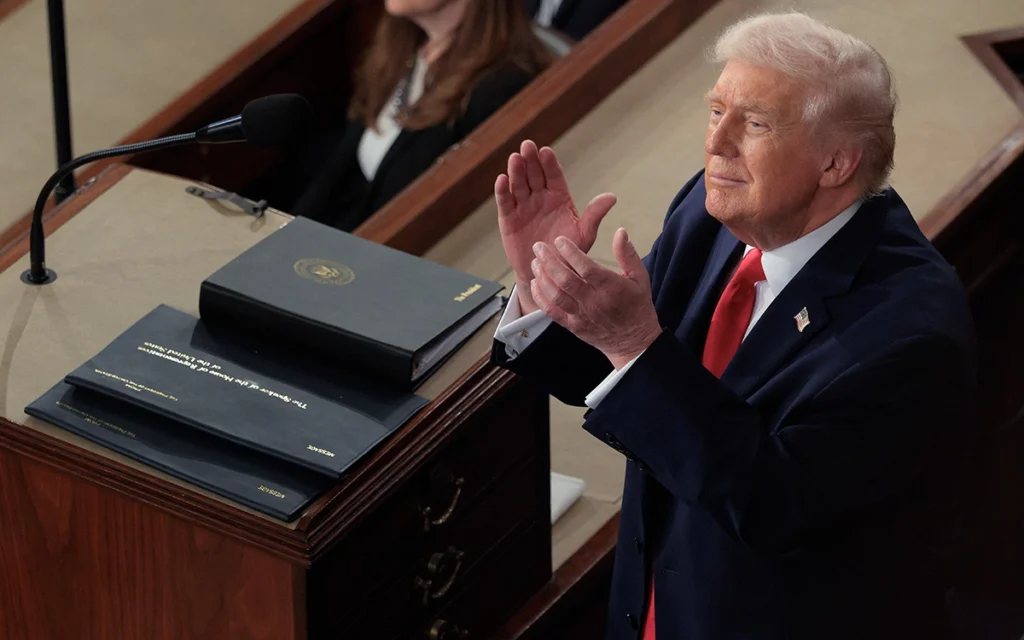
President Donald Trump publicly criticized Spain‘s decision and threatened sweeping economic retaliation. At one point, he declared that the United States might “cut off all trade with Spain” in response to Madrid’s refusal to cooperate. The White House also attempted to shape the narrative by claiming Spain had in fact agreed to cooperate with the U.S. military—a statement quickly denied by the Spanish government. Other members of the administration reinforced the pressure campaign. Secretary of State Marco Rubio criticized European allies for hesitating to fully support U.S. actions in Iran and emphasized the importance of “reliable alliances” in times of conflict.
The domestic political logic of this strategy is clear. For Trump, the confrontation serves as a demonstration of strength to domestic audiences and a warning to other allies who might consider withholding support. By framing Spain’s position as obstructionist or disloyal, the administration seeks to deter similar behavior elsewhere.
Meanwhile, the European Commission signaled strong support for Spain, emphasizing that the EU would defend its member states against unilateral trade threats. Commission spokesman Olof Gill stated that the EU was ready to act to safeguard its economic interests should the United States attempt to impose punitive measures. From Brussels’ perspective, this position is logical, since trade policy falls under EU competence rather than national authority. Individual European leaders have responded with varying degrees of solidarity. French President Emmanuel Macron expressed support for Sánchez and emphasized the need to maintain stable transatlantic trade relations. At the same time, European governments have not adopted a uniform position regarding the war itself.
The United Kingdom, under Prime Minister Keir Starmer, eventually permitted limited use of British bases for defensive purposes following Iranian retaliation. Germany’s chancellor, Friedrich Merz, expressed support for confronting what he described as the “terrorist regime” in Tehran during a visit to Washington—which marked an unusually explicit endorsement from Berlin.
Non-European actors have responded predictably. Regional powers alarmed by the escalation—Gulf states and key NATO partners—have increased contingency planning. Global markets have reacted nervously to the prospect of supply-chain disruptions, while international organizations have renewed calls for de-escalation and legal clarity. This plurality of responses underscores a central point: the United States is in no immediate danger of operational isolation, but it is encountering an erosion of political consensus that complicates sustained multinational action.
The U.S. is in no immediate danger of operational isolation, but it is encountering an erosion of political consensus that complicates sustained multinational action
Economic and Diplomatic Consequences
The economic dimension of the dispute is potentially more consequential than the immediate military disagreement. The United States is Spain’s largest non-European trading partner, with bilateral goods and services trade exceeding €45–50 billion annually in recent years. Spanish exports to the United States—concentrated in pharmaceuticals, machinery, chemicals, olive oil, and wine—account for roughly 5–6 percent of Spain’s total exports and support tens of thousands of jobs across manufacturing and agriculture. American firms are also among the largest foreign investors in Spain, particularly in the energy, technology, and financial sectors.
Trump’s threat to suspend or severely restrict trade with Spain cannot be dismissed as rhetorical theater in the context of the administration’s recent coercive trade practices. Even targeted tariffs could have disproportionate effects. The United States is the largest external market for Spanish olive oil and one of the fastest-growing destinations for Spanish wine exports. Both sectors have previously been affected by U.S. tariff disputes during earlier transatlantic trade conflicts. A renewed round of trade restrictions could therefore exert concentrated economic pressure on politically influential agricultural regions such as Andalusia and Catalonia.
Spain’s macroeconomic exposure to the United States is nevertheless limited by the structure of its trade. Roughly two-thirds of Spanish exports go to partners within the European Union, meaning that even a significant contraction in U.S. trade would not fundamentally destabilize the Spanish economy. The principal economic risk therefore lies less in the absolute scale of potential trade losses than in the precedent that Washington’s threats could establish. The use of trade sanctions to compel military cooperation from a NATO ally would represent a marked departure from the norms that have governed transatlantic economic relations for decades.
The use of trade sanctions to compel military cooperation from a NATO ally would represent a marked departure from the norms that have governed transatlantic economic relations
For governments across Europe, the episode has become a test case for the limits of allied obligations. NATO membership guarantees collective defense under Article 5, but it does not oblige members to support every U.S. military campaign undertaken outside that framework. Spain’s position therefore underscores an increasingly explicit distinction between treaty-bound defense commitments and discretionary participation in expeditionary wars. This distinction matters because it shapes how other allies assess the political costs of cooperation. If Washington responds to Spanish dissent with economic punishment, other governments may conclude that supporting U.S. operations carries less risk than opposing them.
Yet the opposite outcome is also plausible. Madrid’s willingness—backed by EU institutions—to resist U.S. pressure could embolden other democracies to demand clearer legal justifications and domestic parliamentary approval before authorizing the use of national territory for American military operations.
Strategic Coherence and the Future of U.S. Leadership
The dispute between Spain and the United States raises a broader strategic question: whether American leadership within the Western alliance can remain effective if it increasingly relies on unilateral military action coupled with economic coercion to secure allied compliance. Since 1945, the strength of U.S. leadership has rested not merely on overwhelming military capability but on the ability to embed that power within a system of alliances perceived as politically legitimate and strategically reciprocal. Historically, Washington’s most successful military campaigns—from Operation Overlord to Desert Storm—were characterized by extensive diplomatic coalition-building. Even where the United States supplied the overwhelming share of military force, allied participation provided political legitimacy, operational depth, and the appearance of collective action rather than unilateral imposition.
In the current crisis, the United States is asking allies to support a rapidly escalating conflict with Iran after the strategic decision to strike has already been taken. When support is pursued through public pressure or economic threats rather than prior consultation, the political foundations of coalition warfare become fragile. Allies may still cooperate where their interests clearly align, but the willingness to grant automatic logistical access or political endorsement begins to erode. For European governments, this dynamic also reinforces an ongoing debate about strategic autonomy. Within the EU, policymakers have long discussed the need for Europe to develop the capacity to pursue security interests independently when necessary.
Until recently, that debate remained largely abstract, driven by concerns about American retrenchment. Episodes such as the confrontation between Madrid and Washington give the concept a different impetus: the possibility that Europe may occasionally need to shield its economic and diplomatic interests from pressure applied by its own principal ally.
The broader implication is not the collapse of the transatlantic alliance but its gradual transformation. NATO remains the cornerstone of European defense against state threats, yet political alignment on out-of-area military operations can no longer be assumed. As the dispute illustrates, allies are increasingly willing to distinguish between treaty obligations and discretionary participation in U.S.-led conflicts. If this pattern persists, Washington may retain unmatched military reach but find it progressively harder to mobilize the broad political coalitions that have historically underpinned American global leadership.
A Test of Leaders and Institutions
The standoff between Madrid and Washington is a stress test of Western institutions: bilateral agreements, the EU’s willingness to defend member states’ economic interests, and NATO’s political fault tolerance. If the episode offers one lesson, it is that hard power without soft legitimacy is brittle. The United States retains the capacity to act militarily, but it cannot indefinitely expect its allies to subordinate domestic legality and civic legitimacy to swift operational convenience. For Europe, the episode is a reminder that strategic autonomy is not merely a slogan but an institutional project requiring clearer rules, stronger dispute-settlement mechanisms, and a willingness to hedge when allied coercion transgresses accepted norms.
The standoff between Madrid and Washington is a stress test of Western institutions: bilateral agreements, the EU’s willingness to defend member states’ economic interests
Leaders on both sides face choices that will shape transatlantic relations for years. Madrid must weigh the domestic political gains of its stance against the material costs of a prolonged dispute. Washington must decide whether short-term operational convenience justifies the long-term erosion of allied trust. Brussels, for its part, must convert rhetorical solidarity into durable institutional protections that make member states less vulnerable to coercion. How those choices are made will determine whether this episode becomes a manageable diplomatic rupture or the opening chapter in a sustained reordering of alliance politics.