

James O’Shea

HomeJames O’Shea
James O’Shea
James O’Shea
James O’Shea is an award-winning American journalist and author. He is the past editor-in-chief of The Los Angeles Times, former managing editor of the Chicago Tribune, and chairman of the Middle East Broadcasting Networks. He is the author of three books, including The Deal from Hell, a compelling narrative about the collapse of the American newspaper industry. He holds a master’s degree in journalism from the University of Missouri.
James O’Shea- Eagle Intelligence Reports
James O’Shea

James O’Shea is an award-winning American journalist and author. He is the past editor-in-chief of The Los Angeles Times, former managing editor of the Chicago Tribune, and chairman of the Middle East Broadcasting Networks. He is the author of three books, including The Deal from Hell, a compelling narrative about the collapse of the American newspaper industry. He holds a master’s degree in journalism from the University of Missouri.

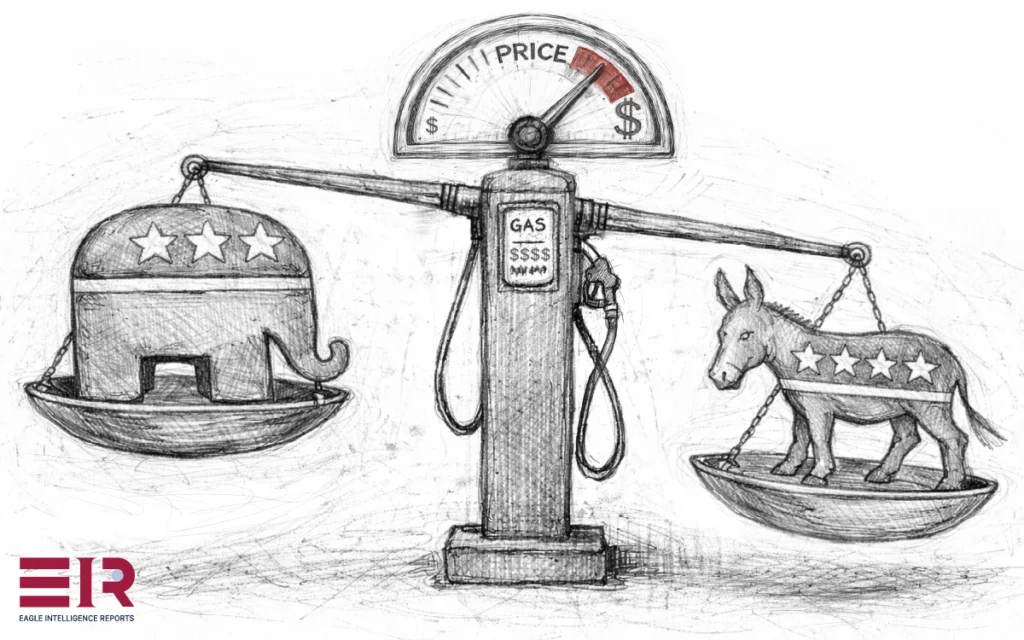
Nothing angers American voters more than rising gasoline prices. They are not only an economic burden but the most direct channel through which the costs of the war with Iran are passed to the American voter. Even with talk of a breakthrough in negotiations with Iran, that relief is not something voters feel right away.

By

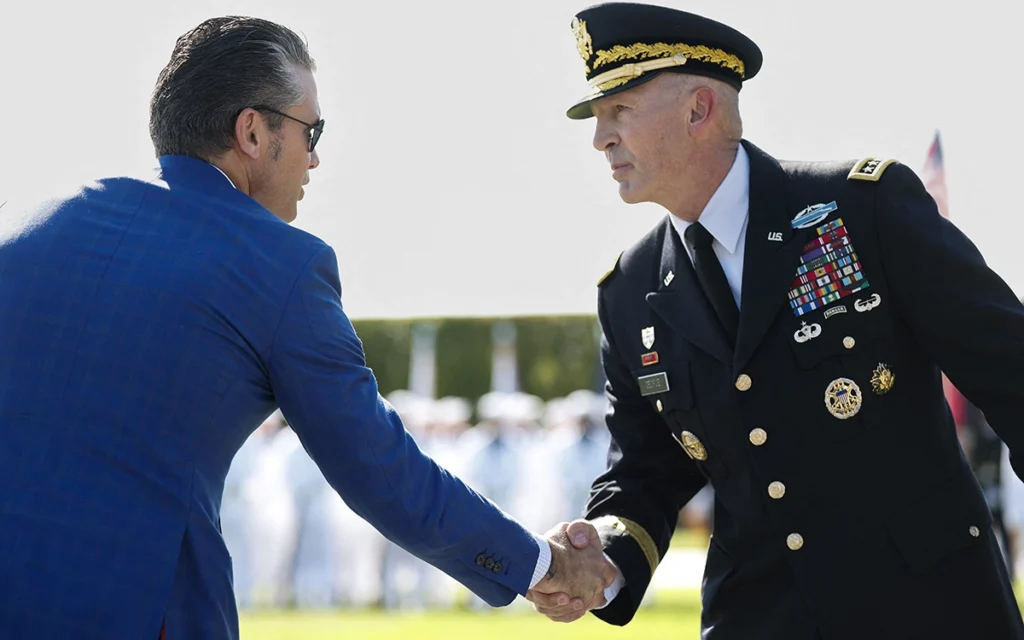
There’s an old saying in American military circles: Do not change horses in the middle of the stream. The axiom reflects some hard-learned lessons about what can go wrong when a country subordinates military prowess to backroom politics in selecting commanders during a war.

By

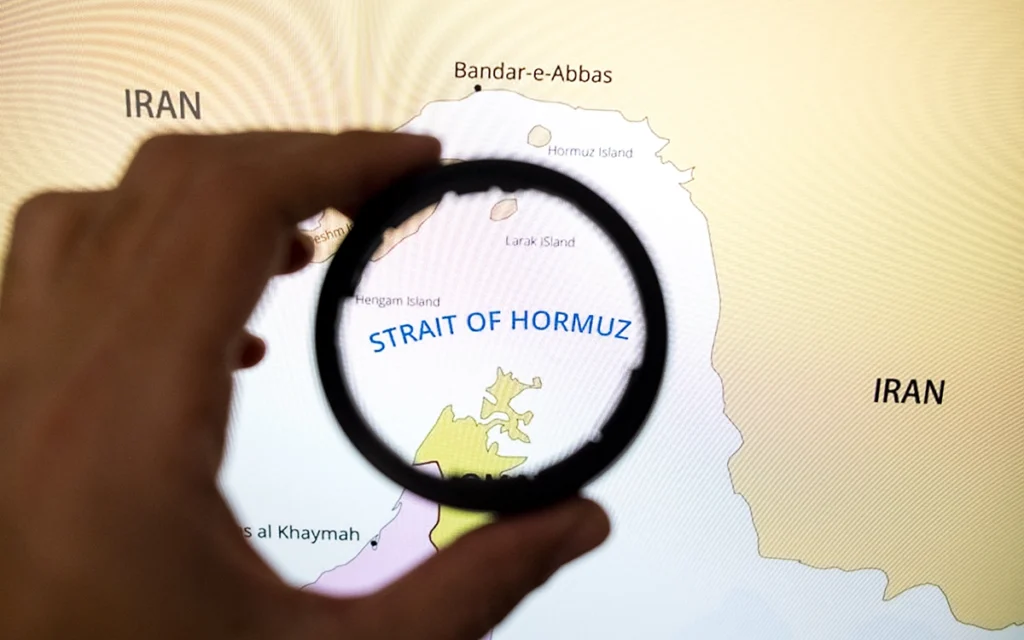
President Trump’s decision to go to war with Iran has exposed a fundamental strategic contradiction: the U.S. has reinforced its dependence on fossil fuels while simultaneously triggering a conflict in the world’s most critical energy chokepoint, the Strait of Hormuz, without a credible plan to manage the consequences.

By

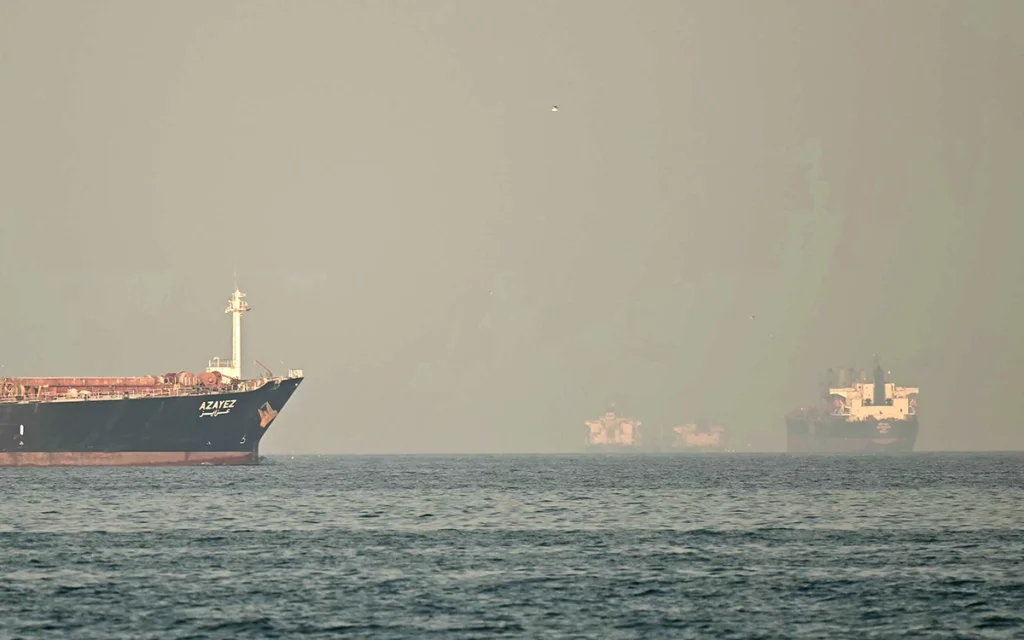
The bombs are falling on Tehran, Natanz, and Fordow. Missiles threaten oil tankers trying to navigate the Hormuz Strait. The headlines tout US and Israel’s deadly sorties and missile attacks while Iran retaliates. But when the dust settles, the country likely to win the war will be one that has not joined the fight: China.

By

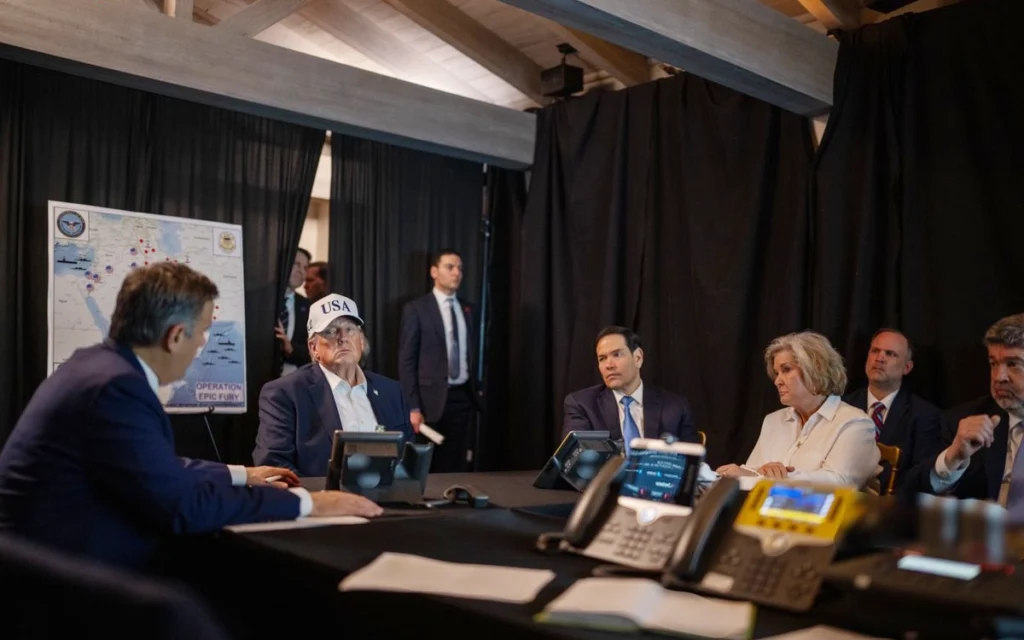
On the morning of February 28, 2026, America went to war. Not in the way it has gone to war in the modern era—with congressional authorization, lengthy intelligence briefings, and months of public debate—but with an eight-minute video posted on Truth Social. Bombs fell on Iran before most Americans had finished their morning coffee.

By

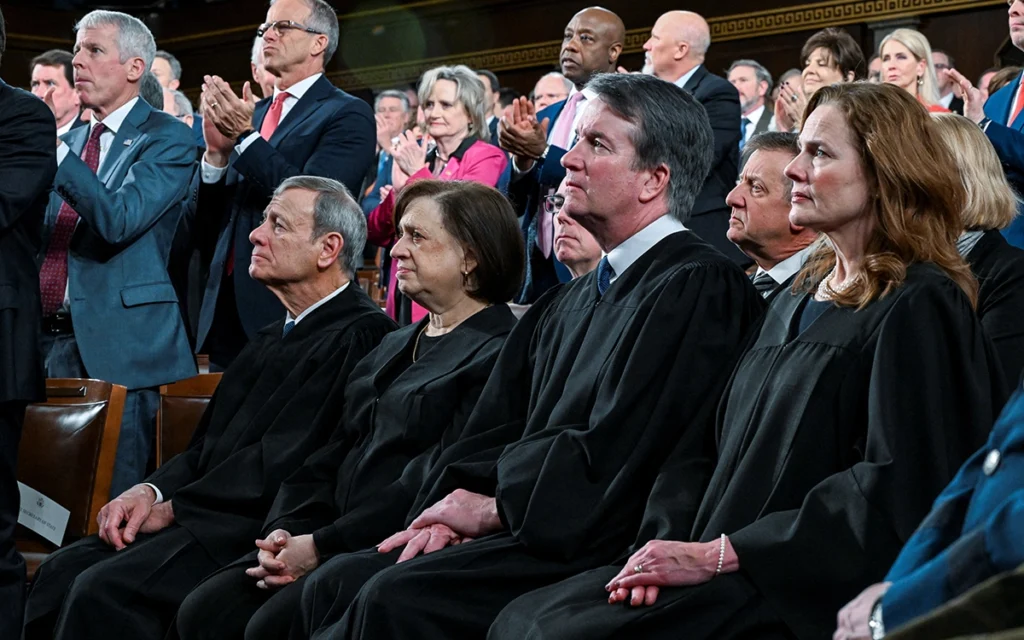
The Supreme Court’s landmark ruling striking down President Trump’s tariffs goes beyond dismantling a central pillar of the administration’s trade policy. It also significantly constrains the executive branch’s ability to impose tariffs unilaterally, shifts authority in tariff decision-making back to Congress and alters the strategic calculus of U.S. economic statecraft.

By

Trump’s nomination of Kevin Warsh to chair the Federal Reserve places the central bank at a crucial juncture. Warsh’s sudden conversion from an inflation hawk to an advocate of Trump’s interest rate cuts, combined with fiscal fragility and perilous macroeconomic conditions, creates a looming threat to the Federal Reserve’s cherished independence.

By

Federal inaction on AI regulation has produced a patchwork of state AI laws, undermining U.S. competitiveness and threatening the country’s leadership of a potentially civilization-defining technology. Since 2024, more than 145 AI-related laws have been enacted at the state level, with Colorado, California, Texas, and Utah adopting divergent regulations.

By

President Trump’s military raid that removed Venezuelan leader Nicolás Maduro may have been tactically impressive. Yet his promise that the US will reap billions from a Venezuelan oil bonanza runs up against harsh economic realities. Venezuela’s oil industry has collapsed after decades of mismanagement.

By

Just eleven months after Donald Trump’s historic return to the White House, midterm polling is beginning to constrain the political space needed to advance the MAGA agenda, as voter anxiety mounts over how he is handling the issues that got him elected. The starkest evidence of pressure comes from polls that tested his support.

By
  • 1
  • 3

SIGN UP FOR FREE TO EAGLE INTELLIGENCE REPORTS

Exclusive Insights & Reports

Get access to in-depth analysis, exclusive intelligence, and expert reports designed to keep you informed and ahead of the curve on the most important global developments.

By signing up, you agree to our Privacy Policy.

Eagle Intelligence Reports
Privacy Overview

This website uses cookies so that we can provide you with the best user experience possible. Cookie information is stored in your browser and performs functions such as recognising you when you return to our website and helping our team to understand which sections of the website you find most interesting and useful.