

Jahara "FRANKY" Matisek

HomeJahara "FRANKY" Matisek
Jahara "FRANKY" Matisek
Lt. Col. Jahara “Franky” Matisek is a U.S. Air Force command pilot specializing in conflict, strategy, and security assistance. He has taught at the U.S. Air Force Academy and the U.S. Naval War College and is the author of two books.

*Disclaimer* Views are his own and not the official position of the U.S. Naval War College, U.S. Air Force, Department of Defense, or any part of the U.S. Government.
Jahara Matisek
Jahara "FRANKY" Matisek

Lt. Col. Jahara “Franky” Matisek is a U.S. Air Force command pilot specializing in conflict, strategy, and security assistance. He has taught at the U.S. Air Force Academy and the U.S. Naval War College and is the author of two books.

*Disclaimer*
Views are his own and not the official position of the U.S. Naval War College, U.S. Air Force, Department of Defense, or any part of the U.S. Government.

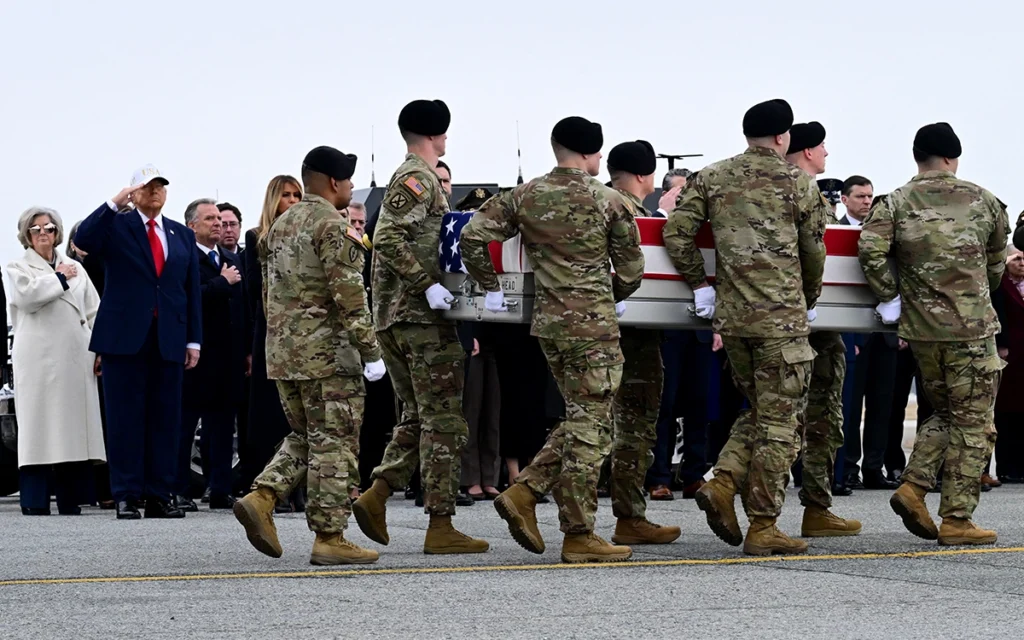
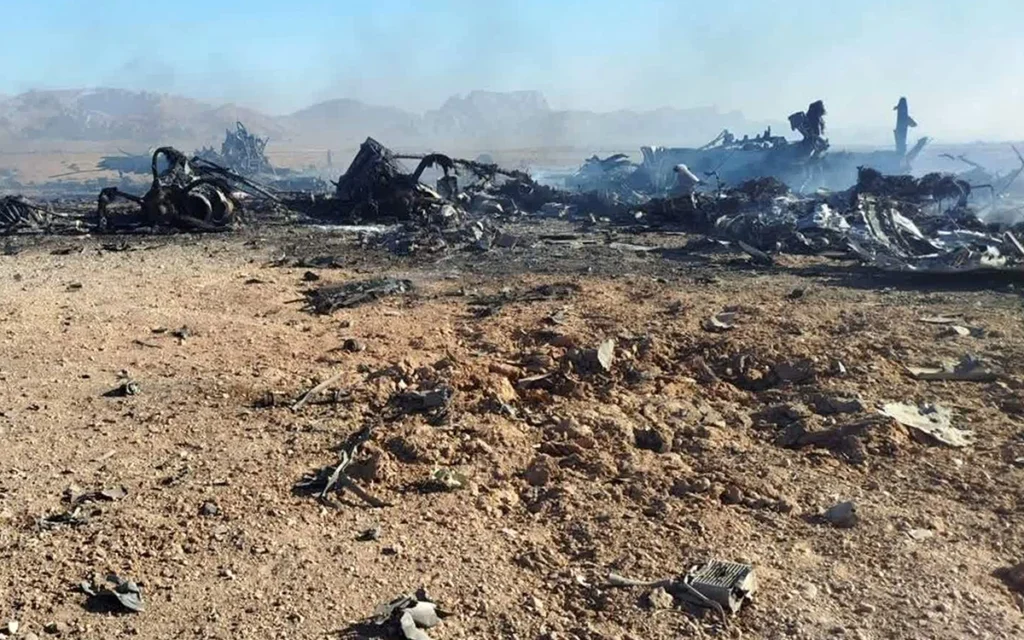
The discussion surrounding the two U.S. CSAR operations inside Iran prior to the truce and the subsequent move toward negotiations in Pakistan has shifted. It is no longer centered on whether the missions succeeded, but rather on what they reveal about the changing nature of personnel recovery, and the level of force it now requires.

By

A public intelligence rift over Iran is exposing a deeper breakdown in how the U.S. interprets threats and turns intelligence into strategy. The erosion of a shared strategic reality in the U.S. national security system is already unfolding. Joe Kent’s resignation amid conflicting assessments of Iran’s threat is not merely bureaucratic friction.

By

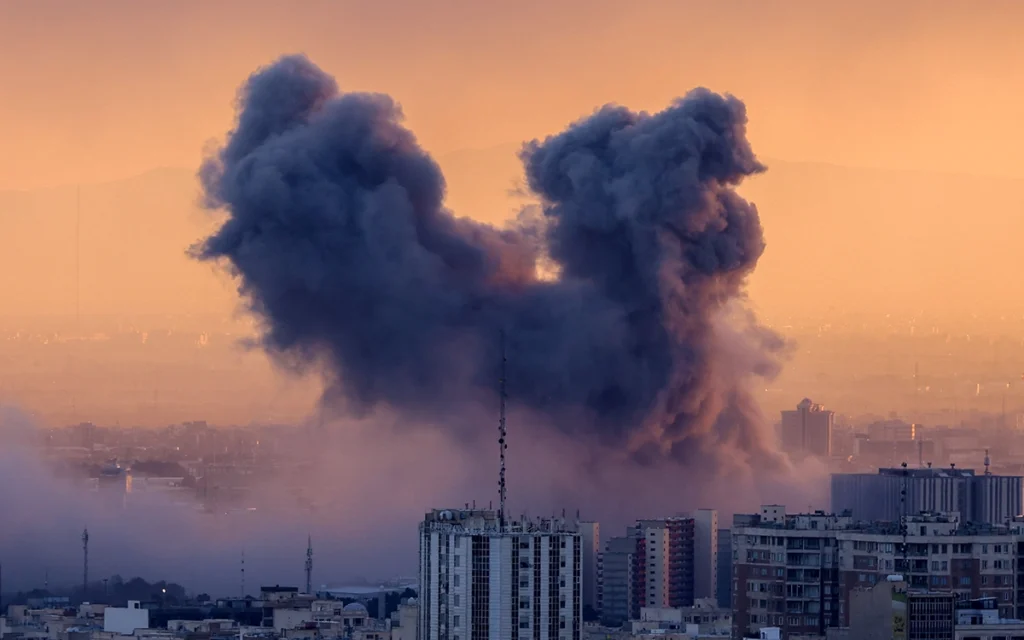
The initial phase of the U.S.–Israeli campaign embodies modern Western airpower doctrine: rapid suppression of adversary command systems, air defenses, and launch infrastructure to create operational dominance. Yet despite initial success, the campaign’s trajectory may hinge on sustainability. If burn rates outpace replenishment, operational tempo may degrade.

By

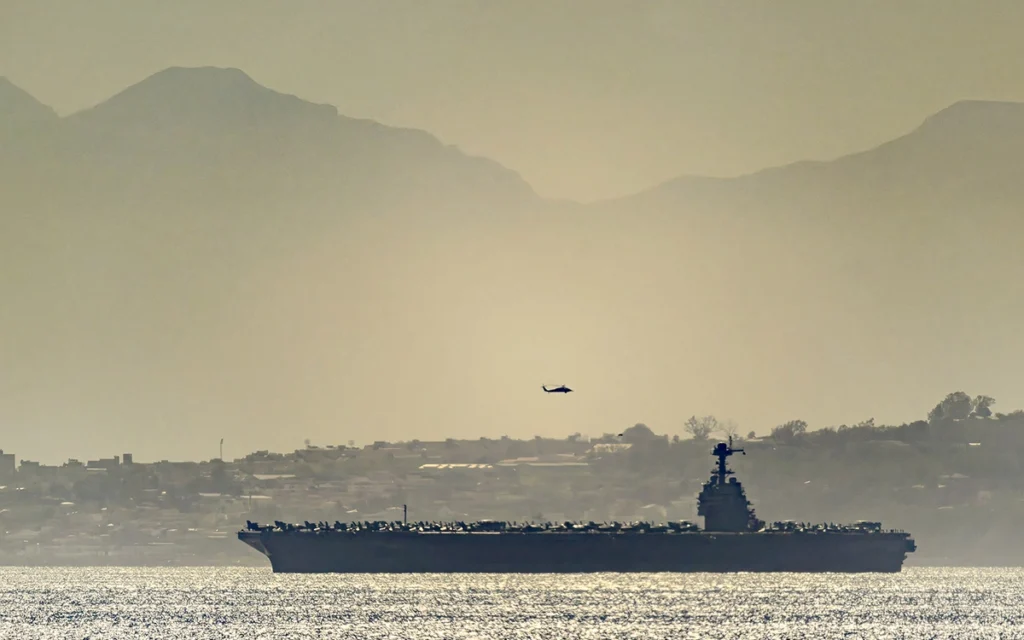
The deployment of a second U.S. aircraft carrier strike group to the Middle East marks a strategic inflection point in the unfolding U.S.–Iran confrontation. The buildup now includes destroyers, additional strike aircraft and reinforced air defenses. While it does not make war inevitable, the buildup significantly widens the spectrum of escalation pathways.

By

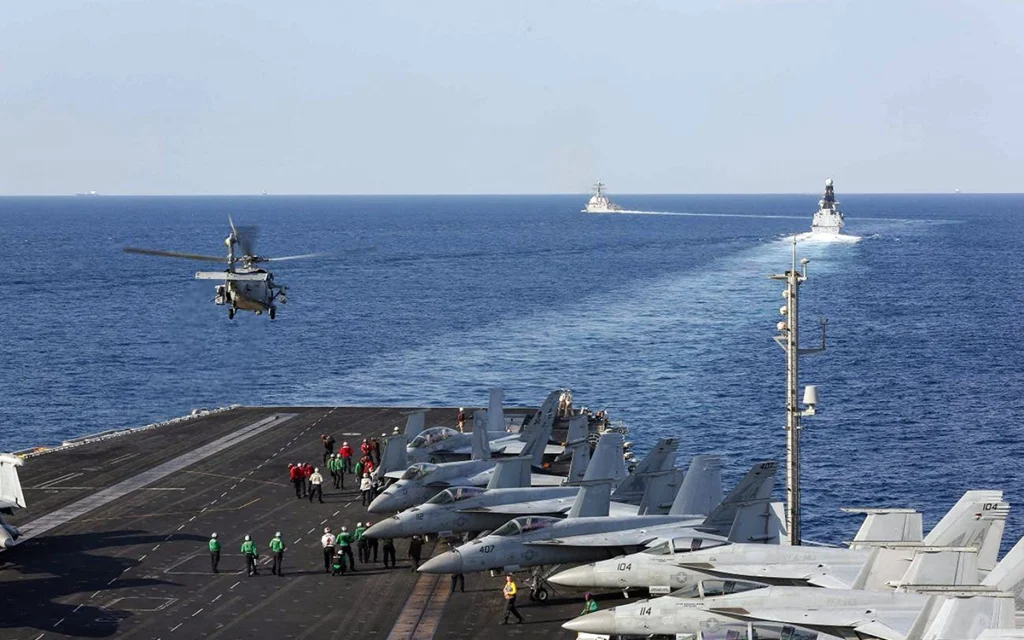
The deployment of a U.S. “massive armada” to the Middle East is an instrument of coercive diplomacy designed to deter Iranian aggression while creating leverage for negotiations. President Trump has underscored this by emphasizing his desire to make a deal, a pattern consistent with his historical use of visible deployments as instruments of leverage.

By

The West’s long retreat from industrial sovereignty was not accidental. Rather, it was the product of sustained faith in market forces and global integration. China, by contrast, has pursued disciplined, long-horizon strategic planning to achieve sectoral dominance across critical industries. The West’s recent response marks a break with market orthodoxy.

By

SIGN UP FOR FREE TO EAGLE INTELLIGENCE REPORTS

Exclusive Insights & Reports

Get access to in-depth analysis, exclusive intelligence, and expert reports designed to keep you informed and ahead of the curve on the most important global developments.

By signing up, you agree to our Privacy Policy.

Eagle Intelligence Reports
Privacy Overview

This website uses cookies so that we can provide you with the best user experience possible. Cookie information is stored in your browser and performs functions such as recognising you when you return to our website and helping our team to understand which sections of the website you find most interesting and useful.