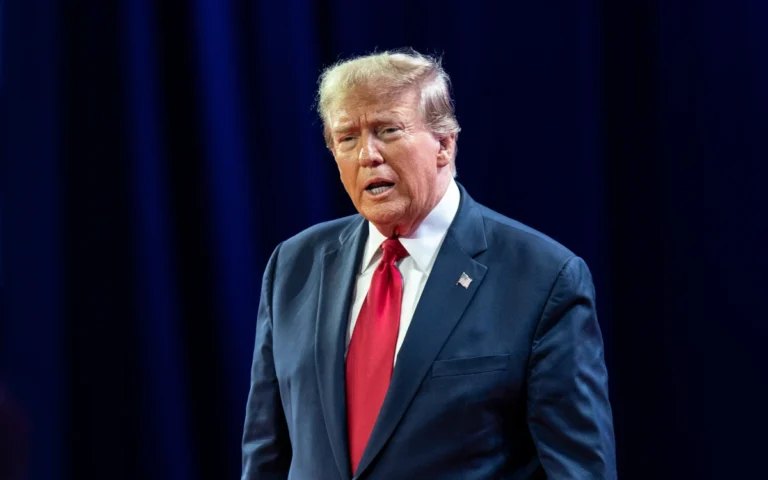

Iran said on Wednesday it was examining a new US proposal to end the Middle East war, as President Donald Trump described the talks as being on the “borderline” between a deal and renewed strikes.
Trump, who said earlier that negotiations were in their “final stages,” later warned that the window for diplomacy could close quickly.
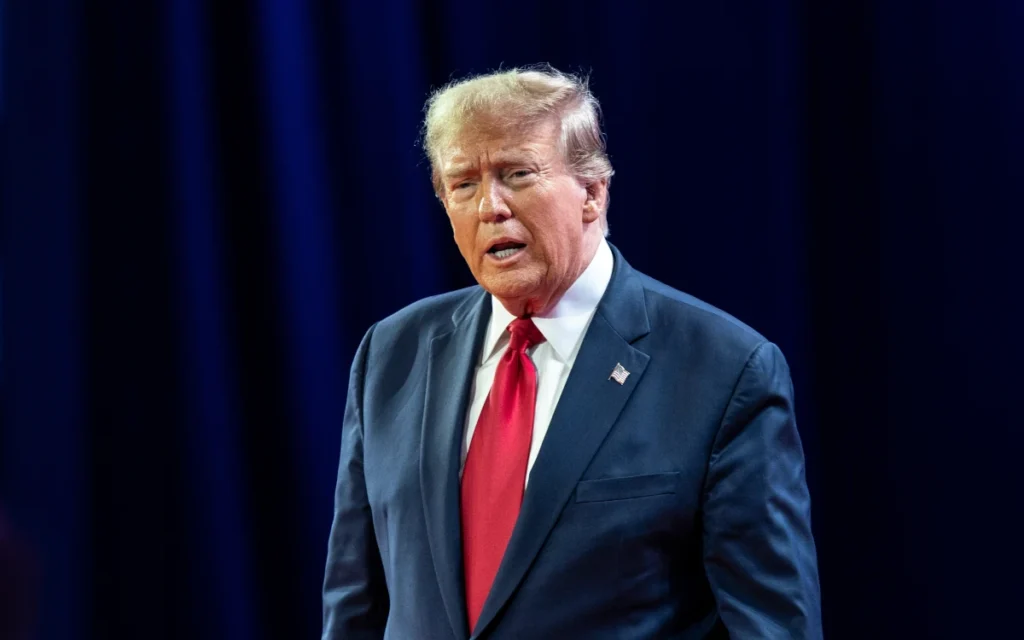
“It’s right on the borderline, believe me,” Trump told reporters at Joint Base Andrews, near Washington. “If we don’t get the right answers, it goes very quickly. We’re all ready to go.”
He said a deal could come “very quickly” or “in a few days,” but warned Tehran would have to provide “100 percent good answers.”
An April 8 ceasefire halted open fighting between Iran and the United States and Israel, but a war of words has replaced the battlefield exchanges.
Trump has repeatedly threatened renewed military action, while Iranian officials have responded with escalating warnings of their own.
Iranian Foreign Ministry spokesman Esmaeil Baghaei said Tehran had “received the points of view of the American side” and was examining them.
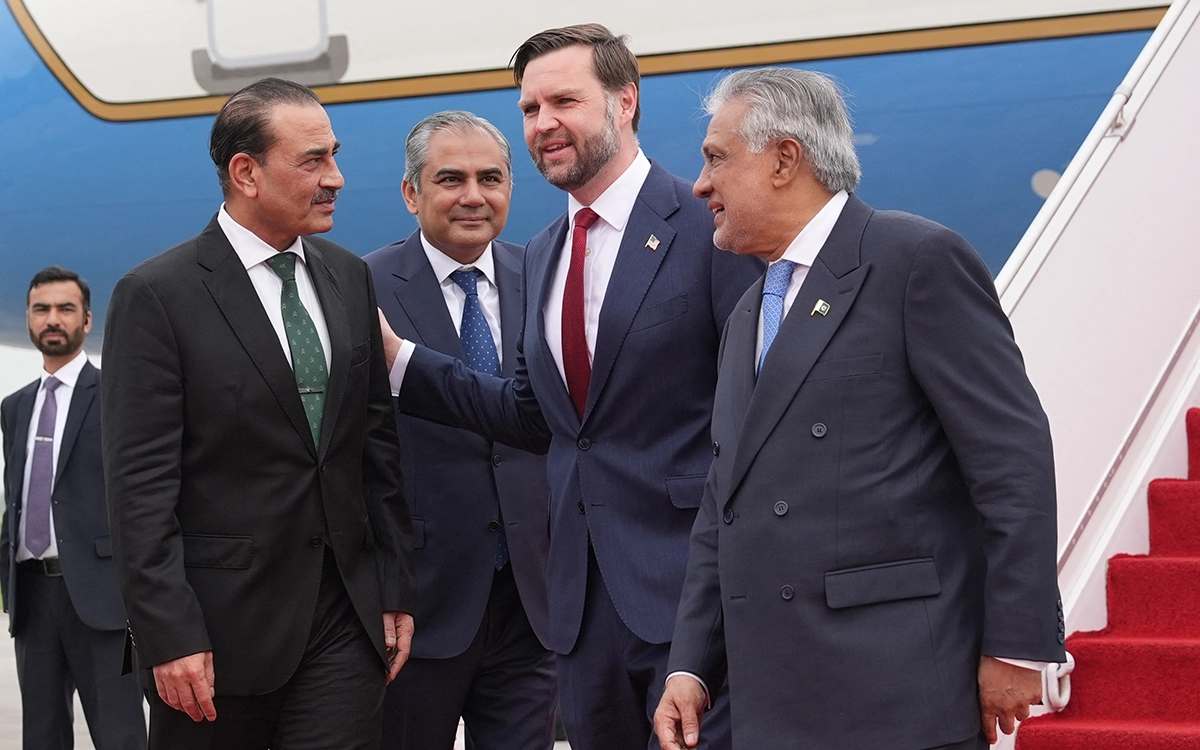
Despite the threats and sporadic violence, Pakistan-mediated exchanges have continued in an effort to secure a formal end to the war.
Iran’s official IRNA news agency, citing diplomatic sources, said Pakistan’s interior minister had arrived in Tehran for his second visit in less than a week.
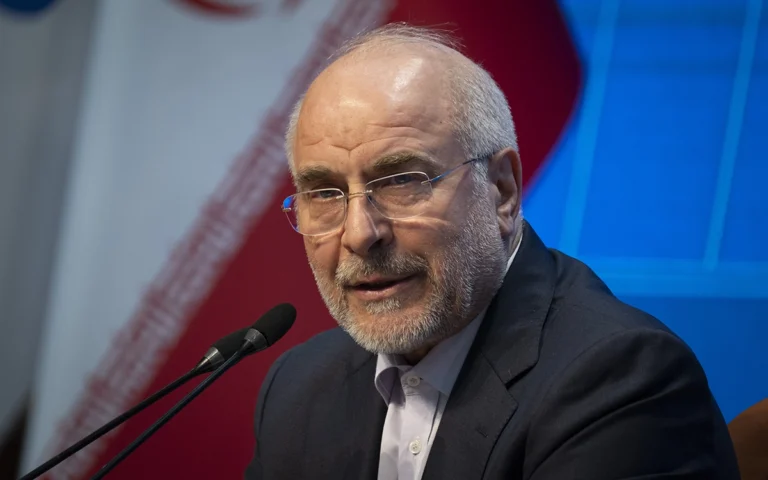
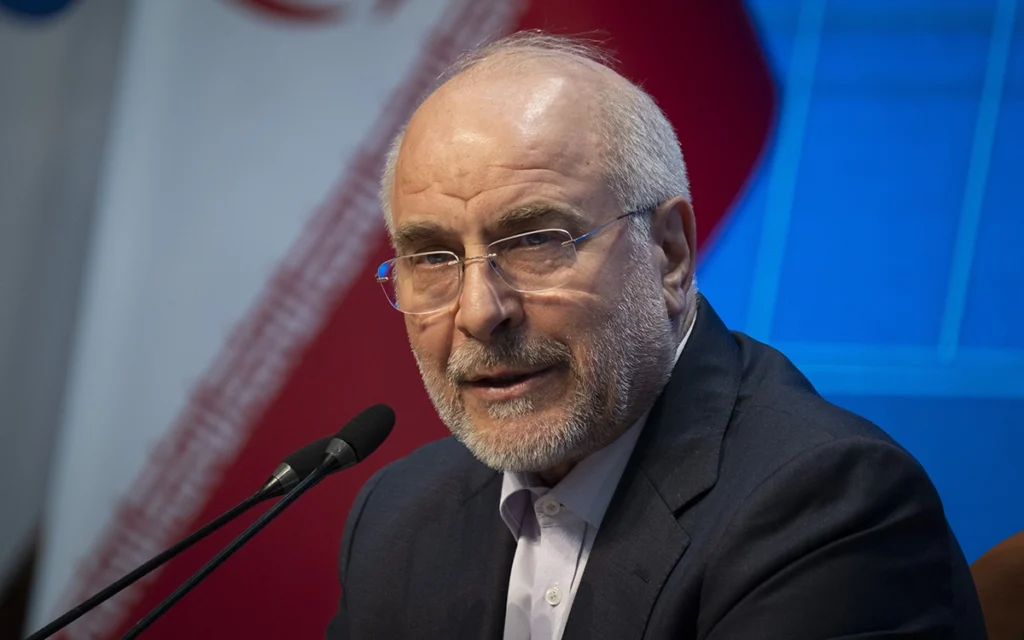
Earlier, Tehran’s chief negotiator Mohammad Bagher Ghalibaf accused Washington of seeking to restart the war after Trump threatened fresh attacks unless Iran agreed to a deal.
Ghalibaf warned of a “forceful response”, while Iran’s Revolutionary Guards said any renewed conflict would spread far beyond the Middle East.
“The enemy’s movements, both overt and clandestine, show that despite economic and political pressure, it has not abandoned its military objectives and is seeking to start a new war,” Ghalibaf said.
Israel‘s army chief Eyal Zamir said the military remained at its highest alert level and was “prepared for any development”.
The future of Hormuz remains a key sticking point in talks, with fears growing that the global economy will feel more pain as pre-war oil stockpiles run down.
The UN Food and Agriculture Organization warned Wednesday that the closure could trigger “a severe global food price crisis” and a “systemic agrifood shock.” (AFP)