
Britain is strengthening its military readiness while pursuing closer ties with the European Union, as Russia sharply criticizes London’s continued military support for Ukraine. The developments come as UK minister Douglas Alexander prepares to call Friday for deeper European cooperation, arguing that growing rivalry between major powers makes international partnerships increasingly important.
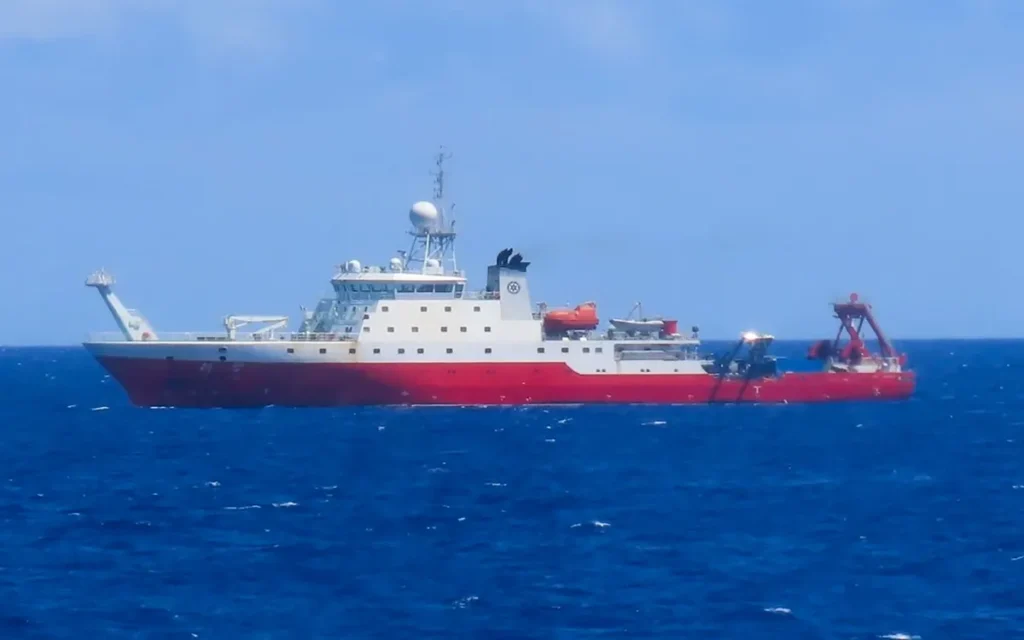
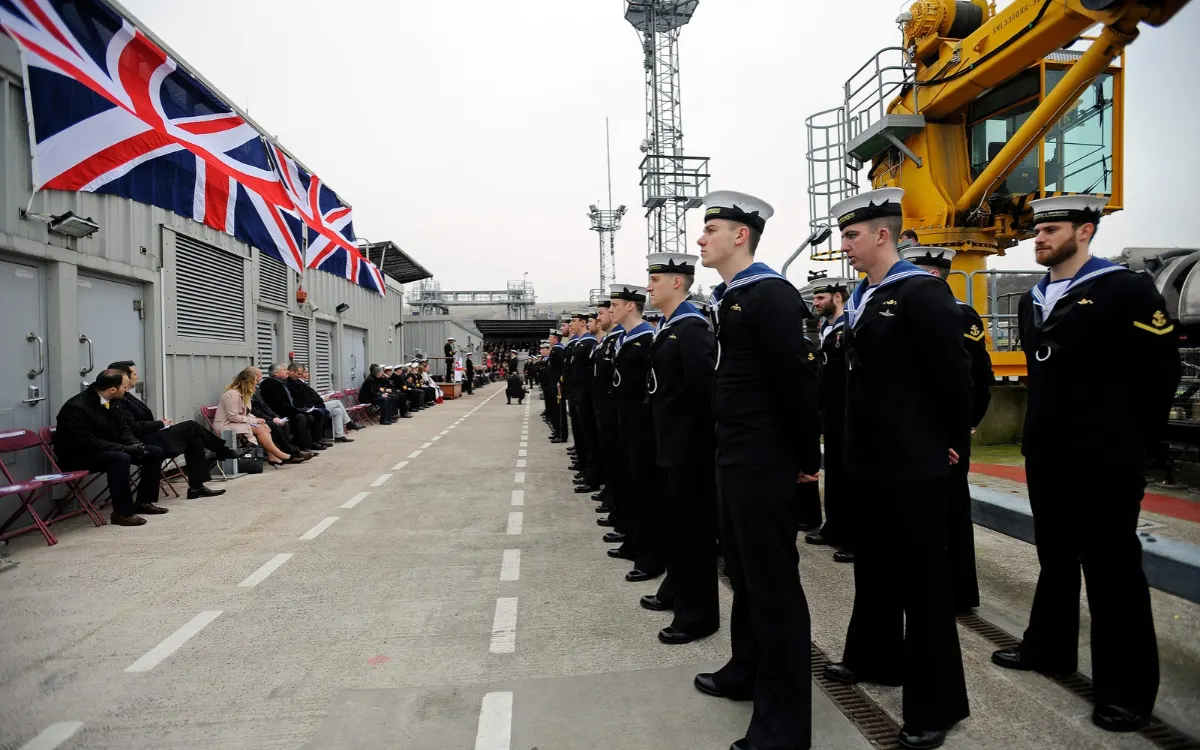
Britain’s armed forces have contacted approximately 100,000 former personnel to update their records and assess skills acquired since leaving military service, in the first such exercise since the Cold War. Defense company Babcock has also won a five-year, $11.4 billion contract to maintain Royal Navy submarines, aimed at cutting repair times and getting more boats to sea.
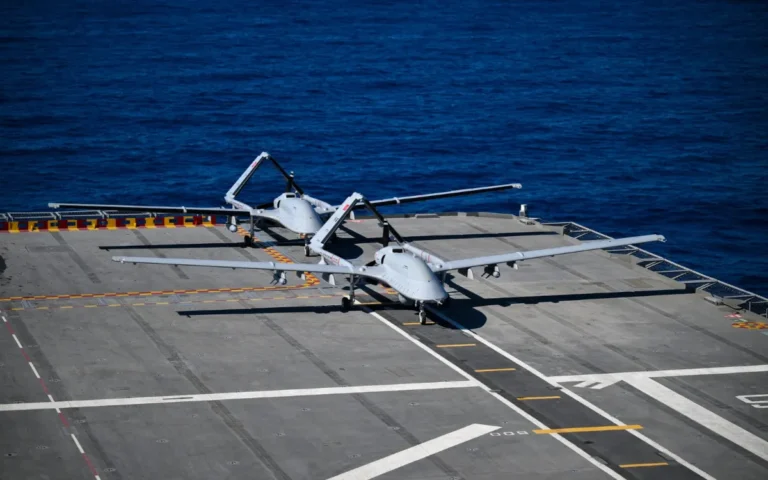
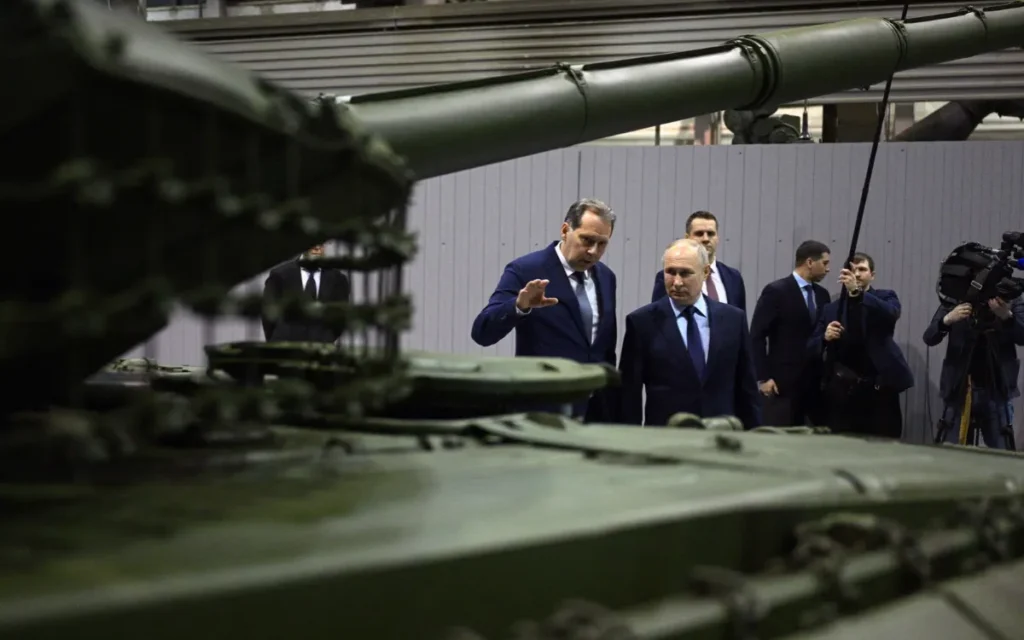
Russia’s Foreign Ministry criticized British military assistance to Ukraine on Thursday, after London announced plans to supply more than 1,000 heavy long-range attack drones. Ministry spokeswoman Maria Zakharova said British policy aimed to help Kyiv “inflict maximum damage on our country.” Defense Secretary Wes Streeting described the security environment as increasingly threatening, while Veterans Minister Calvin Bailey said the contact exercise did not signal imminent mobilization.
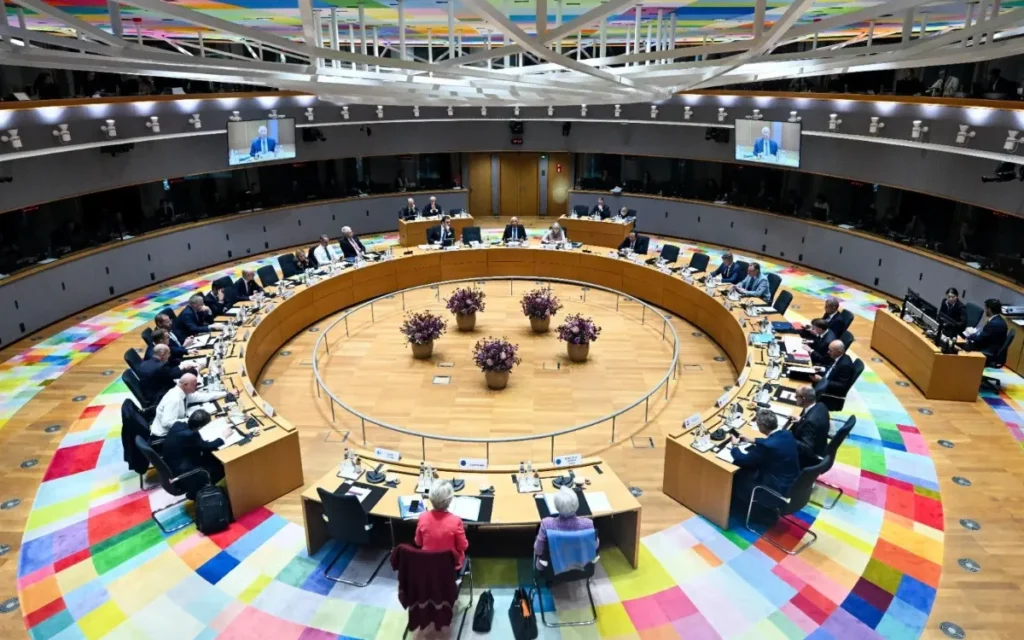
The military measures accompany London’s push to rebuild ties with the EU after Prime Minister Andy Burnham’s November 20 summit with EU leaders in Brussels. The package covers food and agricultural trade, the linking of carbon markets, and a youth mobility scheme, with implementing legislation introduced Thursday. Alexander is expected to describe the agreement as a starting point, arguing that Britain cannot navigate an increasingly dangerous international environment alone.
Taken together, the steps show Britain preparing for a long period of pressure from Russia, while the government stresses that it is not mobilizing. Former service personnel could volunteer for exercises such as NATO’s Steadfast Defender next spring, and the Babcock contract is meant to keep more submarines available for the nuclear deterrent. Closer ties with the EU give that security posture an economic and political anchor in Europe. (AFP+EIR)