
The United States launched a third night of strikes on Iran as President Donald Trump reimposed a blockade on Iranian ports and floated a 20 percent fee on cargo in the vital Strait of Hormuz, while also saying a deal with Tehran to end the Middle East war was still possible.
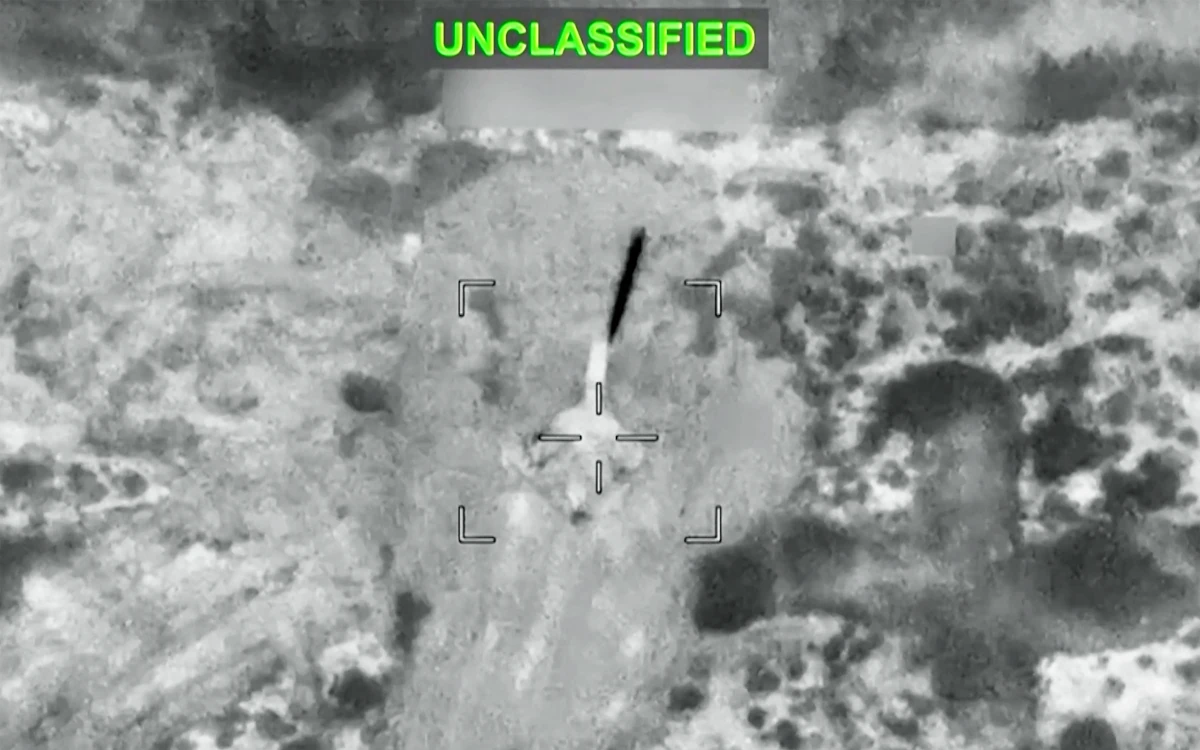
The US Central Command in a statement said in a five-hour mission, “U.S. forces successfully struck military targets across Iran including Bushehr, Chah Bahar, Jask, Konarak, Abu Musa, and Bandar Abbas to further degrade Iran’s ability to attack commercial shipping.”
“CENTCOM forces employed precision munitions against Iranian coastal defense systems, missile and drone sites, and maritime capabilities,” the statement added.
Meanwhile, Iran’s Revolutionary Guards said Tuesday they had carried out missile and drone strikes on Bahrain, after the Gulf country urged citizens to take shelter as a siren sounded.
“Several weapons support warehouses, a satellite communications center and the residential building for US forces in Bahrain were targeted,” Iranian state television IRIB quoted the Guards as saying. The Guards also announced targeting vital installations and US forces at an airbase in Jordan.
Jordan’s army said it had shot down four missiles from Iran, as Tehran pressed attacks on US allies in response to American strikes. “Four missiles intercepted and shot down after entering Jordanian airspace from Iranian territory,” the army said.
In the Strait of Hormuz, the United Arab Emirates said Iran attacked two ships in the strait with missiles, killing one crew member and wounding eight others.
Likewise, an Iranian lawmaker said parliament has begun work on a bill on the Strait of Hormuz, as fighting flared between Washington and Tehran over the strategic waterway.
“Last night, coinciding with the downing of US drones, the ‘Strategic Action for the Security and Sustainable Progress of the Strait of Hormuz and the Persian Gulf’ bill was formally introduced in Iran’s Parliament,” Ebrahim Azizi wrote on X.
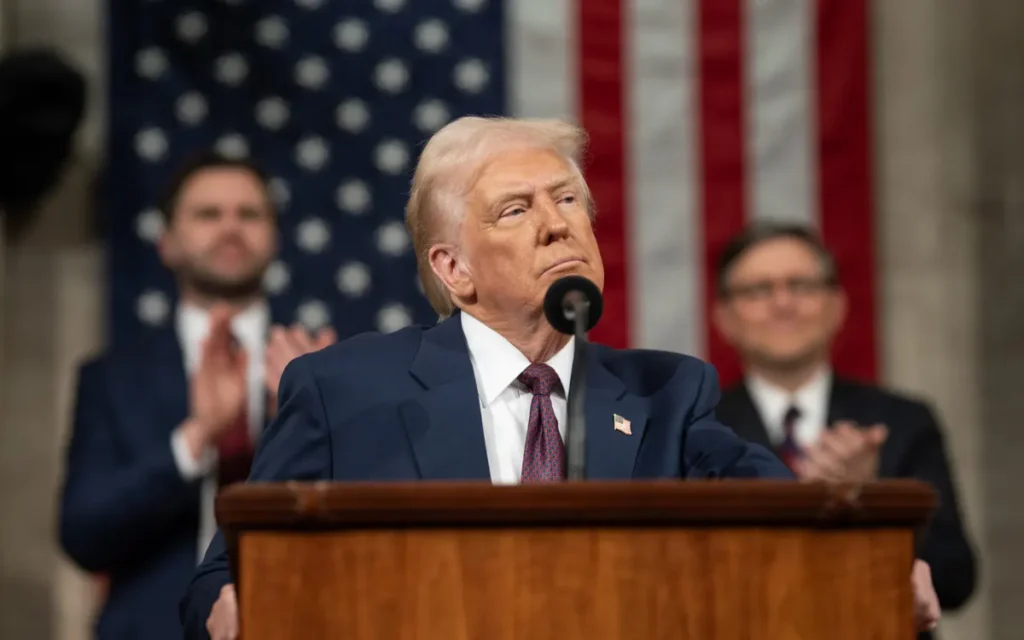
Despite launching fresh strikes on Iran and reimposing a blockade of Iranian ports, US President Trump told reporters that a deal with Tehran to end the Middle East war was still possible.
Despite this escalation, Donald Trump, speaking to reporters, did not rule out the possibility of reaching an agreement with Iran.
Earlier, he stated in a post on the Truth Social platform that the United States would take control of the Strait of Hormuz and that the blockade on Iranian ports would be reimposed.
According to the US military, the blockade would take effect at 8:00 PM GMT on Tuesday. After Iran previously expressed its desire to impose fees on ships transiting the Strait of Hormuz, Trump stated his intention to collect a 20% fee on the value of shipments passing through the strait in exchange for its protection, a move that contradicts international law guaranteeing freedom of navigation.
Iranian Foreign Minister Abbas Araqchi responded in a post on the X platform, saying, “Iran has always been the guardian of the Strait, and will remain so.” He added, “Clearly, 20% is excessive. We will be fair.”
The Iranian Revolutionary Guard accused the United States of jeopardizing global oil supplies.
Following a significant jump of over 9% the previous day, oil prices continued their upward trend, with Brent crude reaching $84.29 per barrel at 2:00 AM GMT.
Trump sent formal notification to Congress regarding the resumption of military operations, according to a White House source. The death toll since Wednesday has reached 25, according to a tally compiled by AFP based on Iranian media and official sources.
Iranian Foreign Ministry spokesman Esmail Baghaei told a press conference in Tehran, “There is no doubt that the memorandum of understanding is facing a crisis, but Iran has never been the one violating its commitments.”
He added that consultations with the mediators—Qatar, Pakistan, and Oman—are ongoing with the aim of de-escalating the situation.
The agreement stipulated the reopening of the Strait of Hormuz, but Tehran has only allowed the use of one shipping lane along its coast.
The military advisor to Iran’s Supreme Leader, Mohsen Rezaei, had warned that “this strategic waterway is more important than dozens of atomic bombs, and the Islamic Republic will protect it.” (AFP)