
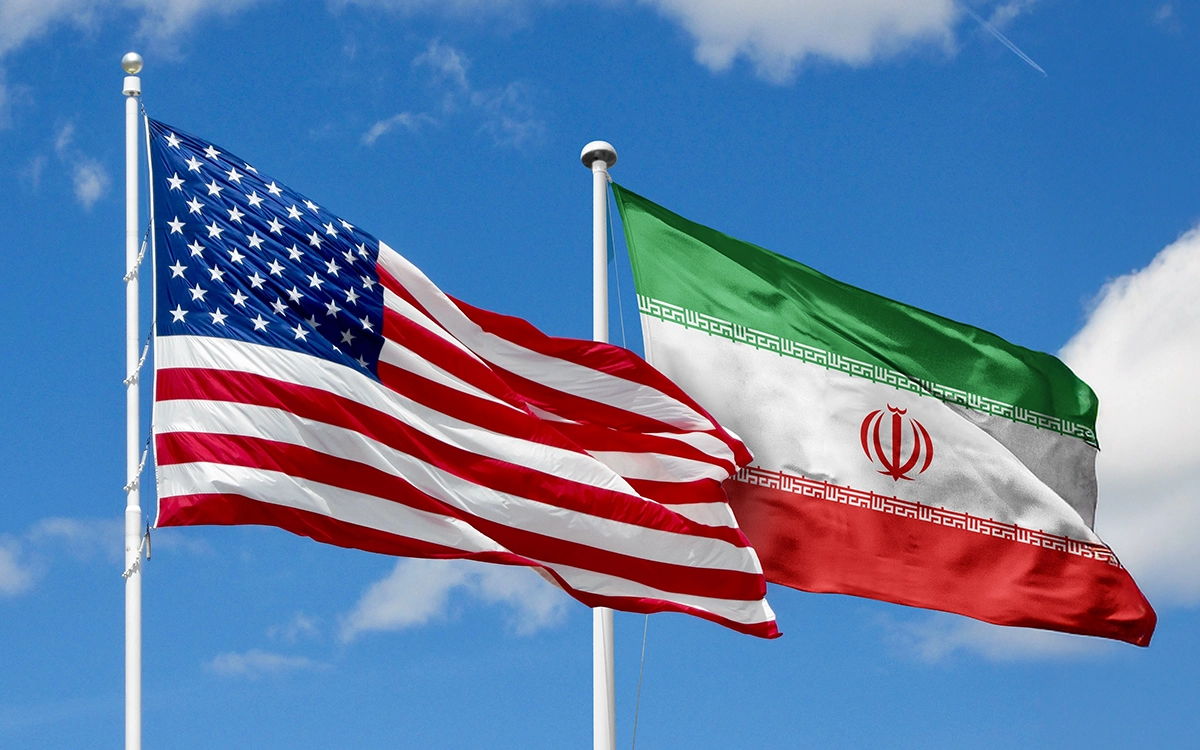
US President Donald Trump said that a deal with Iran to end the war in the Middle East could be signed Sunday, and that the strategic Strait of Hormuz would be “open to all” immediately after.
Iran had offered a different timeline earlier in the day, but nonetheless signaled an agreement was in the offing, as both the warring parties and their mediators expressed increasing optimism that weeks of halting negotiations were drawing to a close.
“The Deal is scheduled to get signed tomorrow, and immediately after it is signed, the Hormuz Strait is OPEN TO ALL,” a post on Trump’s official Truth Social platform read on Saturday.
In Saturday’s post, he said, “When all is calm, we will go in and get the Nuclear Dust… and downblend and destroy it, whether in Iran, or the United States.”
A key sticking point in the talks has been the fate of Iran’s nuclear program, particularly its stockpile of highly enriched uranium — believed to have been buried by US strikes last year during a previous short-lived war.
Iran’s Foreign Minister Abbas Araghchi on Friday said the only way to deal with Iran’s enriched uranium “is to dilute it inside Iran”.
Iran has long insisted its nuclear program is peaceful and that it has a right to enrichment, but the United States, Israel and other Western governments suspect it of seeking a bomb.
Iranian Foreign Ministry Spokesman Esmaeil Baqaei had said earlier on Saturday that the date of the signing was yet to be determined, but “it will not be tomorrow”.
However, he added, “The possibility of this happening in the coming days cannot be ruled out.”
The warring parties have nonetheless released conflicting information about the contents of the deal, as each seeks to show it emerged from the war with the upper hand.
The leader of key mediator Pakistan said a deal was closer “than ever before”.
The “finalization” of this agreement is expected “within the next 24 hours”, Pakistani Prime Minister Shehbaz Sharif said Saturday on X, adding that it will be signed electronically, without going into further detail or specifying what this would involve. He said “technical level talks” are expected to follow next week.
Iran’s Foreign Ministry said that an expected memorandum with the United States to end hostilities would not be signed on Sunday, state media reported.
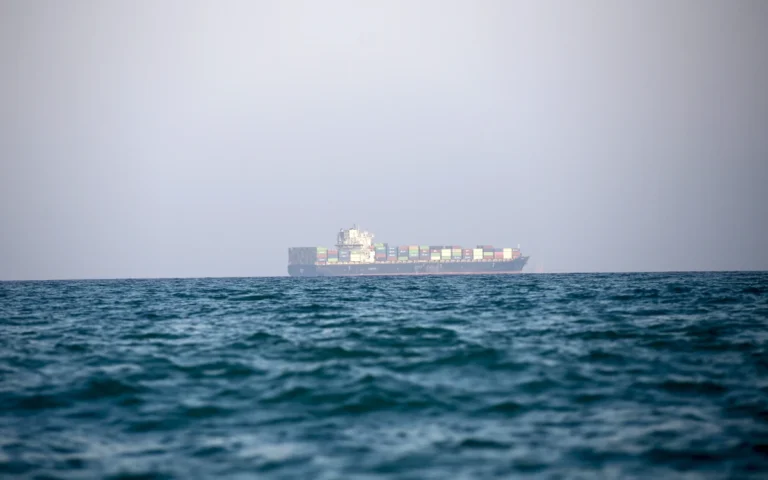
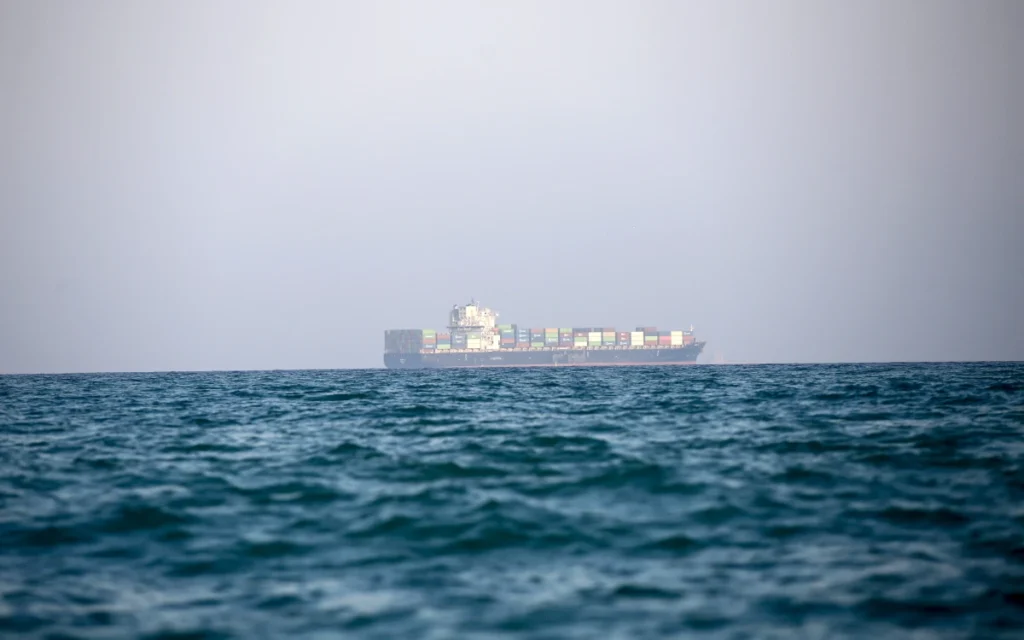
Tehran has insisted it will maintain control over the Strait of Hormuz, a key maritime trade route for oil and gas shipments from the Gulf.
Since imposing its blockade, Iran has demanded vessels obtain permission from its armed forces before transiting the waterway, and has established a new body to oversee it and collect tolls. The US has responded with its own blockade of Iranian ports.
Araghchi, in an interview with state television Friday, had said the deal on the table called for the lifting of the US naval blockade.
“The administration of Strait of Hormuz will no longer be the same as before,” he added, calling the waterway one of Iran’s “main instruments of deterrence”.
The US has repeatedly said Iran remaining in control of the strait would be unacceptable, and Trump’s post made no mention of tolls or other arrangements.
The Iranian news agency Mehr quoted a source close to the negotiating team as saying that the understanding stipulates a permanent and immediate cessation of hostilities, including in Lebanon, to be followed by 60 days of negotiations to reach an agreement on nuclear issues and the complete lifting of US sanctions.
The agency added that the memorandum allows for the release of $24 billion of Iran’s frozen assets during this period.
However, a US official in Washington stated that the Iranians had agreed to destroy and remove Iranian nuclear materials, dismantle their nuclear program, withhold their frozen funds until they comply with the conditions, reopen the Strait of Hormuz, and refrain from funding terrorist groups. Reducing uranium enrichment to below 5%, far from the 90% required for a nuclear bomb, would significantly reduce the risk of enrichment being used for military purposes.
An Iranian reformist newspaper welcomed the possibility of “breaking the chronic geopolitical and economic deadlock” through the signing of an agreement. However, the conservative Kayhan newspaper argued that Iran must maintain control of the Strait of Hormuz, asserting that the strait represents “the enemy’s greatest vulnerability” and that no one “puts their greatest strength on the negotiating table.”
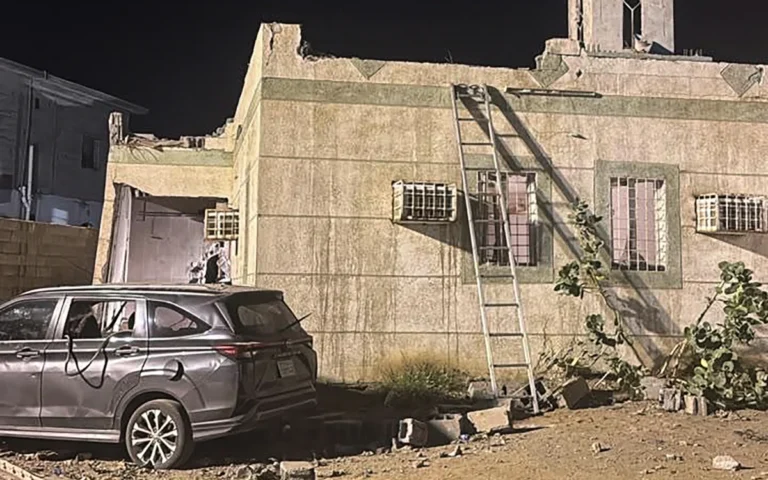
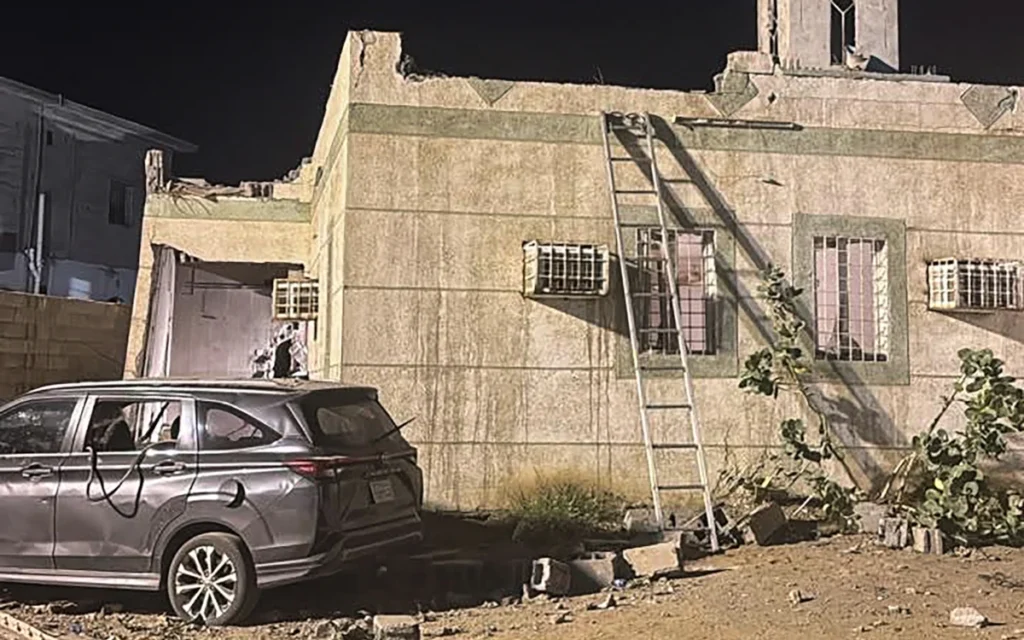
The war, which erupted on February 28, spread to other Middle Eastern countries besides Lebanon, as Iran responded to US and Israeli attacks by shelling Israel and Gulf states, citing their hosting of US military bases on their soil. In recent days, these countries have been subjected to several strikes, despite a ceasefire agreement that has been in effect since April 8.
The war has resulted in the deaths of thousands, particularly in Iran and Lebanon, and has shaken the foundations of the global economy. Despite intensified negotiations in recent days and a ceasefire, sporadic clashes between the United States and Iran have also been recorded. (AFP)