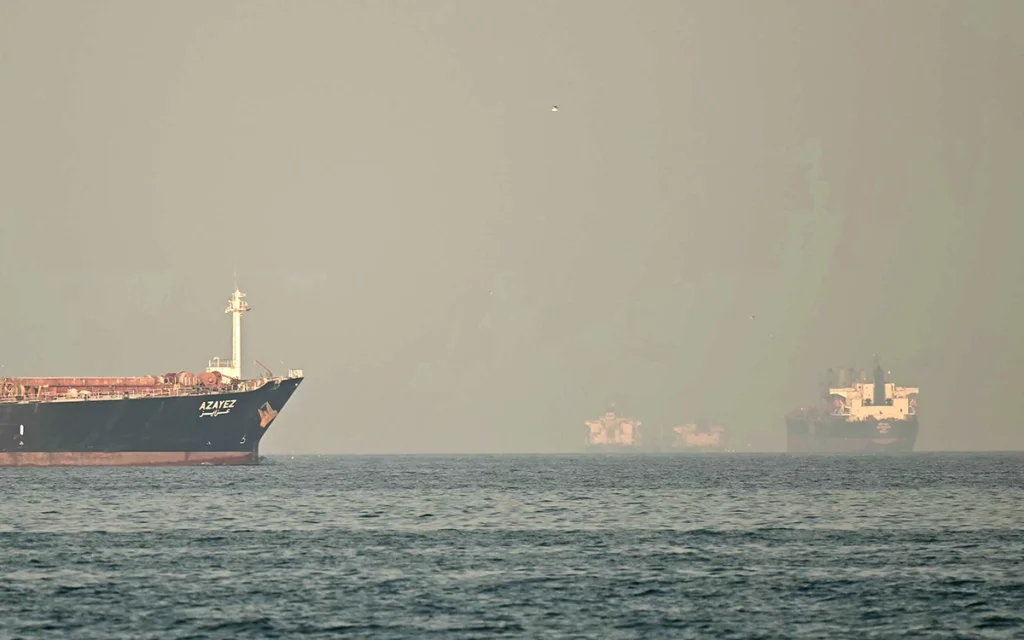


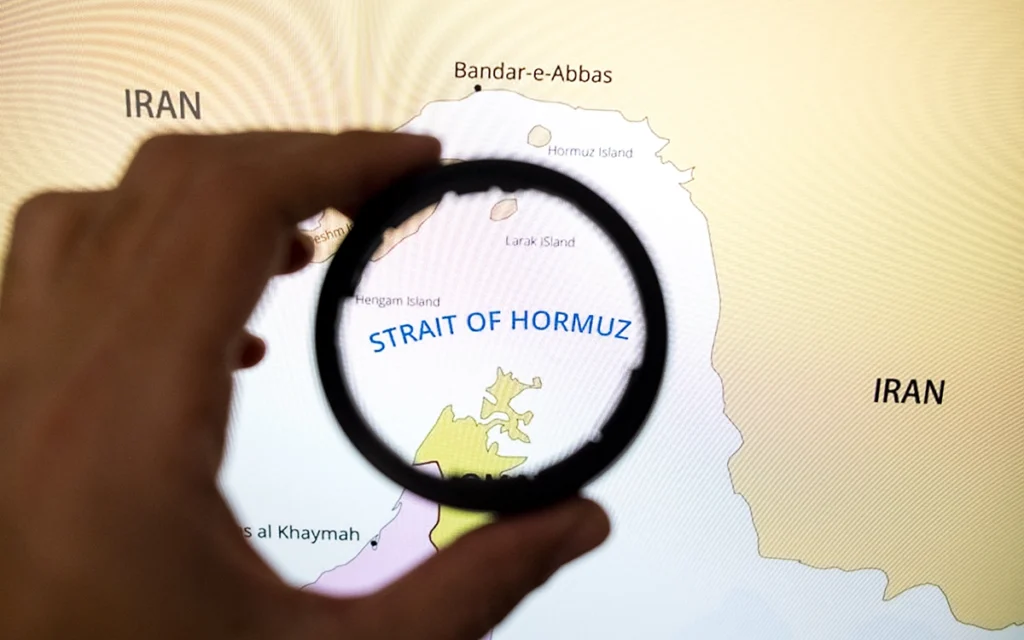
President Donald Trump’s decision to go to war with Iran has exposed a fundamental strategic contradiction: the United States has reinforced its dependence on fossil fuels while simultaneously triggering a conflict in the world’s most critical energy chokepoint, the Strait of Hormuz, the system’s central point of vulnerability, without a credible plan to manage the consequences.
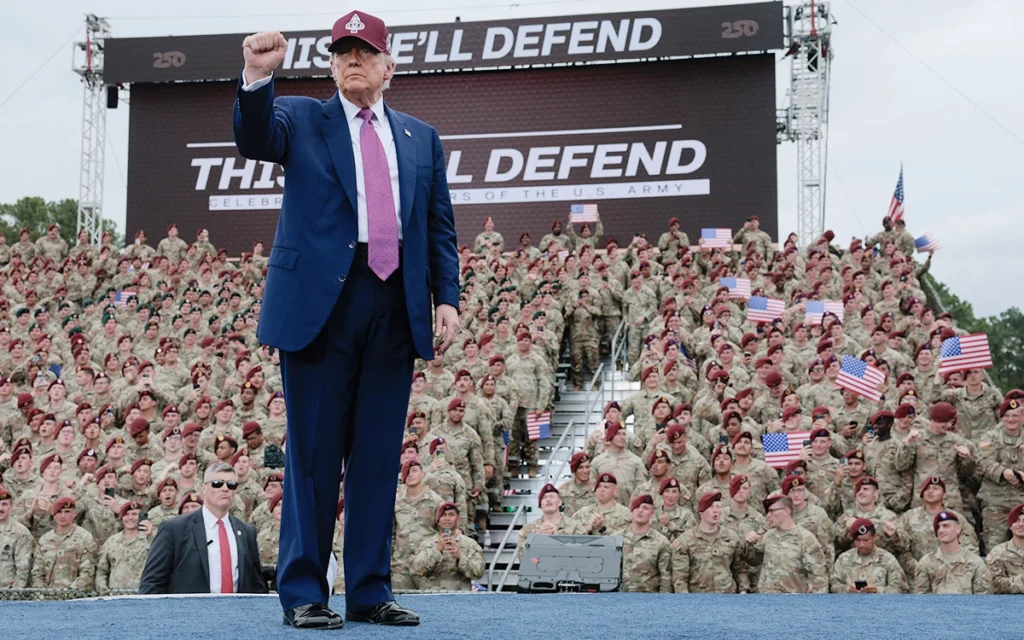
Trump told the nation that America was at war with Iran, fully aware that U.S. attacks would roil global oil markets. The impact was not buried in some top-secret CIA analysis. Any oil broker with a Bloomberg terminal knew what would happen if Iran retaliated by closing the Strait of Hormuz. The precedent was clear—from the Tanker War of the 1980s when U.S. ships had to escort oil vessels to repeated Iranian threats to weaponize its geography. Any disruption would transmit immediately through global markets, sending gasoline prices at pumps across the country soaring. Washington understood the danger and proceeded anyway.
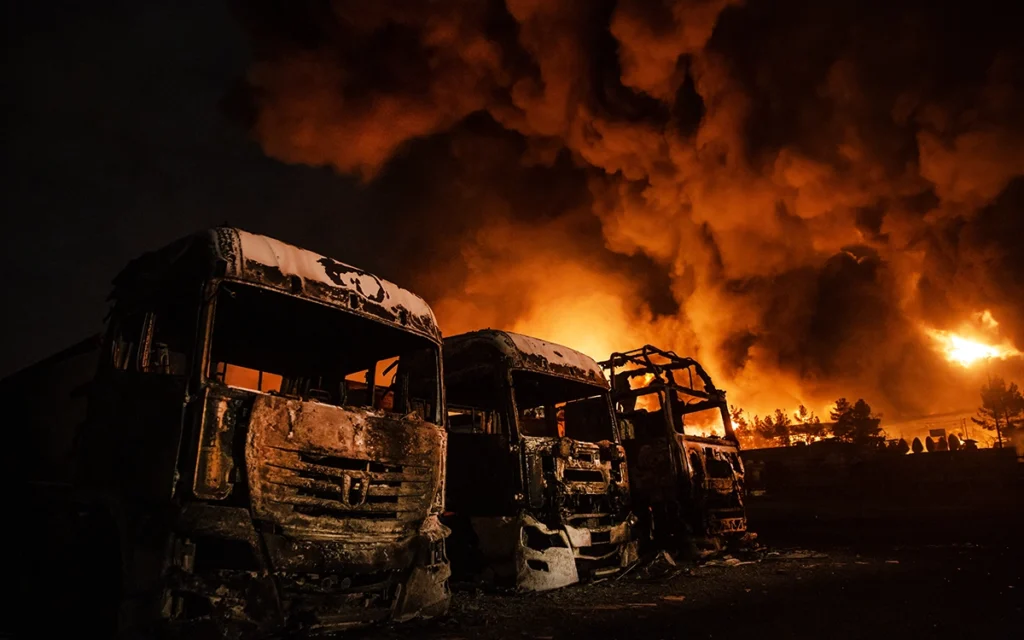
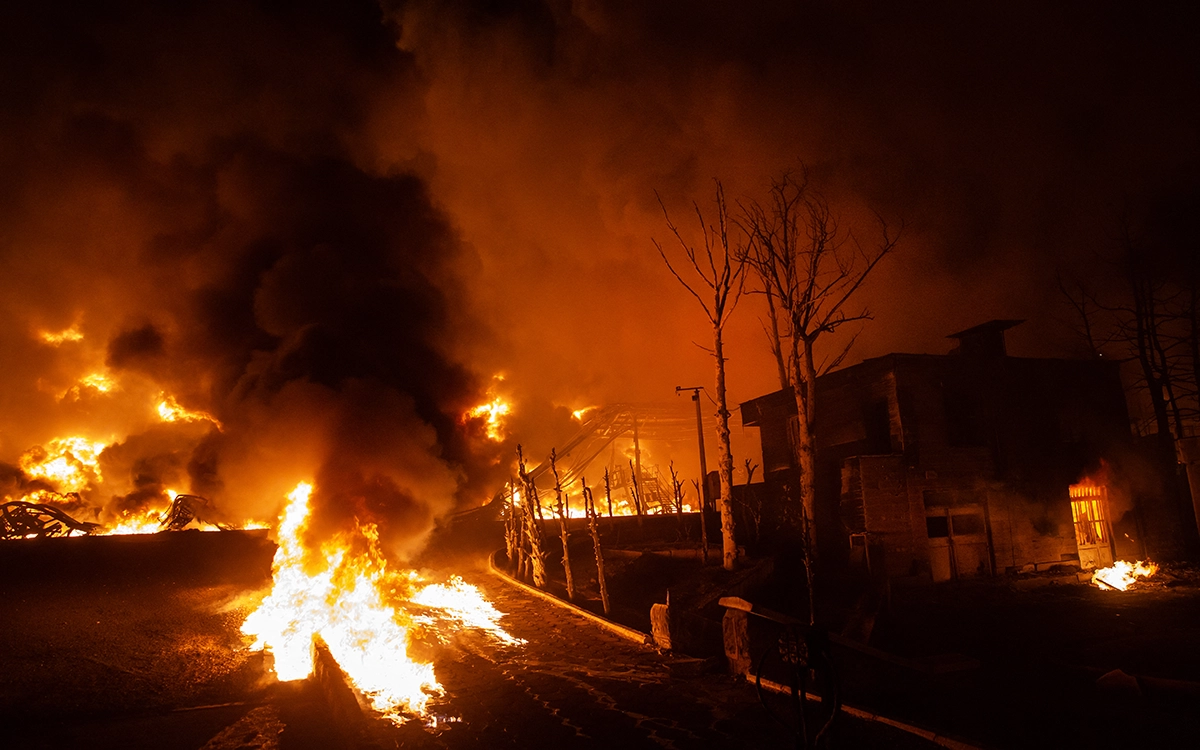
The resulting energy shock is therefore not accidental. The black smoke from bombed oil and gas sites in the Gulf is visible proof of the administration’s deliberate choices. The Trump administration, pressured by Israel, chose to proceed, even after dismantling domestic measures that could have reduced exposure to global energy volatility—including electric vehicle tax credits, clean energy investments, fuel economy standards, and renewable energy development. Acting without Congress, President Trump removed key tools intended to shield Americans from energy shocks.
The jolt to America—not to mention the nation’s allies—is a self-inflicted wound that forces a more fundamental question. What objective justifies the costs now being imposed? So far, his answers have satisfied no one except his steadfast political base.
The jolt to America—not to mention the nation’s allies—is a self-inflicted wound that forces a more fundamental question. What objective justifies the costs now being imposed?
Trump Guts Measures to Offset War’s Impact
Trump took office in January 2025 with a basic energy plan: “drill baby drill.” But when it came to regulations in the oil and gas industry, he moved to dismantle regulatory constraints. He quickly dispatched with President Joe Biden’s clean energy subsidies soon after taking office, promptly freezing Inflation Reduction Act funding that provided for EV tax credits and CAFÉ fuel economy standards. Then he moved to repeal climate and environmental regulations. By July, the “One Big, Beautiful Bill” turned the rollbacks into law. Clean energy manufacturers shuttered nearly $8 billion in projects planned in the first quarter of 2025 alone.
Energy dominance is a central idea in Trump’s energy policy: pump more oil, export more gas, and keep prices low with abundant supplies. This is a logical strategy only under conditions of global market stability. It does not account for a war that closes the Strait of Hormuz. In such a contingency, domestic production levels become almost irrelevant. American consumers do not buy gas from an isolated national market but rather a globally integrated system. And when world prices spike, so do those in America. Trump’s theory of energy dominance rests on the assumption that U.S. prices are somehow hermetically sealed from energy shocks driven by conflict in the Middle East.
Brent crude, an oil benchmark, surged above $100 a barrel on March 8 for the first time in four years. It reached $120 a barrel as tanker traffic in the Strait of Hormuz halted. Gas prices at American pumps jumped toward $4 a gallon, triggering the U.S. Energy Dominance Council to release 172 million barrels from the U.S. strategic reserve. Yet, the reserve is a short-term shock absorber, not a long-term strategy.
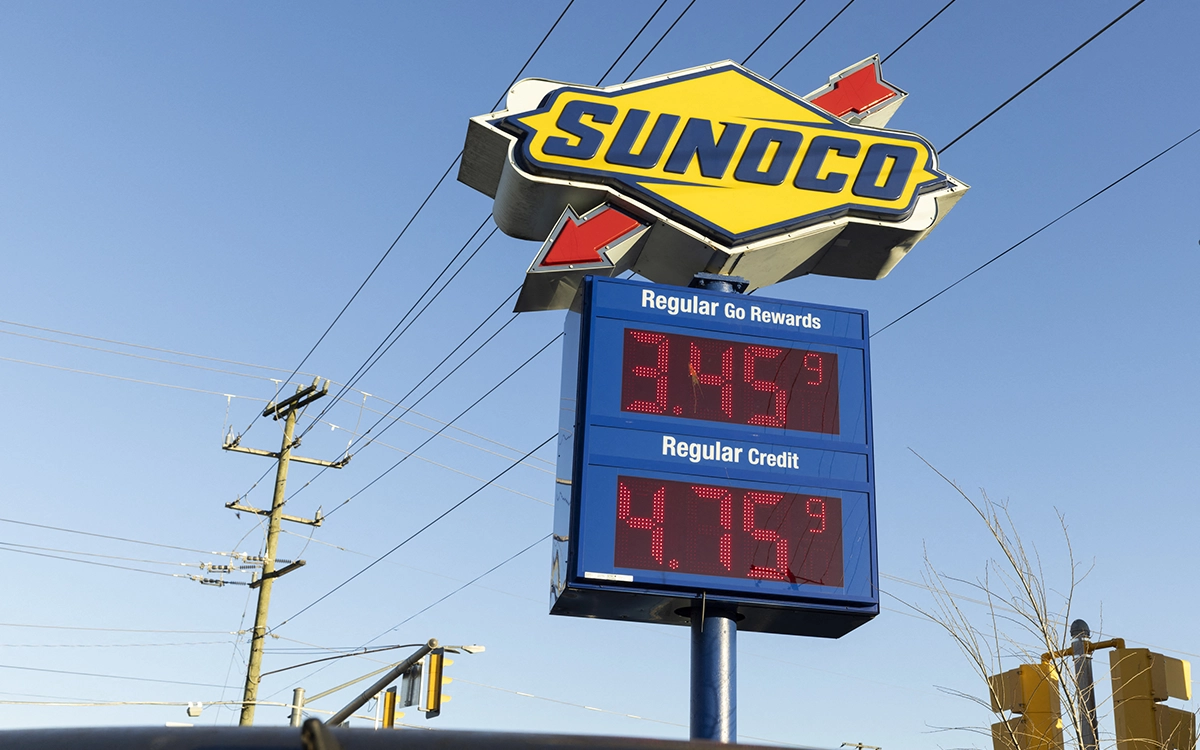
In this context, the head of the International Energy Agency said the war would cause an energy crunch worse than the oil shocks of 1973 and 1979 combined. An operational clean energy transition with higher EV penetration, stronger fuel-economy standards, and reduced oil consumption would have made the emergency less severe. Instead, Trump paired an energy strategy premised on global market stability with a military decision that disrupted that stability. He created gaps in the nation’s energy insurance policy and then filed a claim.
War’s Opening Salvos Hit Critical Source of LNG
The clearest illustration of how war can amplify miscalculation is the missile strike on Qatar’s Ras Laffan Industrial City on the night of March 18.
Iran had been threatening the Gulf’s energy infrastructure since Operation Epic Fury began. Retaliating for the U.S.–Israeli bombs that hit its cities, Iran struck back, attacking Ras Laffan, the world’s largest liquefied natural gas (LNG) facility in Qatar, a key American Gulf ally. The attack knocked out two LNG trains and one gas-to-liquid production terminal.
Production had been stopped once when Iranian drones hit the facility, leading Qatari officials to condemn the attacks as a “dangerous escalation” and expel Iran’s main military contact in Doha. The March 18 strike knocked out a significant portion of Qatar’s LNG export capacity, with estimates suggesting losses on the order of 15-20 percent. The damage could cost about $20 billion per year, as QatarEnergy said it could not honor natural gas contracts with Italy, Belgium, South Korea, and China.
Qatar supplies almost 20 percent of the world’s liquefied natural gas. Before the war, its gas heated homes and provided power in Europe and Asia. Europe, still moving away from Russian energy after the invasion of Ukraine, relied on Qatar as a major energy source. Asian buyers – Japan, South Korea, Taiwan – built their plans around Qatar’s gas. A major think tank said the attack posed a risk of insufficient heating fuel for Europe next winter.
War Adds to Inflation Fear
The impact of the attack ripples beyond Europe. The Fertilizer Institute says nearly 50 percent of global urea and sulfur supply, critical components for fertilizer, comes from the Middle East or passes through the Strait of Hormuz, creating shortages just as farmers in America and elsewhere enter the planting season. The UN World Food Program warns of significant food inflation. A war to destroy Iran’s nuclear program now threatens food supplies from East Africa to South Asia, not to mention the price increases faced by America and other nations.
The impact of contemporary energy warfare demonstrates how a single missile strike on a critical gas facility in the Gulf can cut European heating supplies for half a decade. The facility was not a war target; it was an economic attack and an effective one, for it caused damage that will probably outlast the war.
The impact of contemporary energy warfare demonstrates how a single missile strike on a critical Gulf gas facility can cut European heating supplies for half a decade
Trump has expressed anger at America’s allies’ reluctance to join efforts to reopen the Strait of Hormuz. He says his envoys have held “very strong talks” with a “top person” in Iran. But he wouldn’t name the contact, and Iran publicly dismissed any reports of progress.
Trump warned Iran on March 22 that he would strike its energy infrastructure if the Strait of Hormuz was not reopened within 48 hours. A day later, he extended the deadline to five days, citing ongoing negotiations between Washington and Tehran. The shift points to a more fundamental problem: the absence of a credible plan to manage the consequences of escalation at the Strait of Hormuz. Deadlines are set and then revised, threats are issued and then adjusted, but the underlying strategy remains unclear.
A further implication is more consequential. The war was initiated to degrade Iran’s nuclear and missile capabilities, not to contest control of the Strait of Hormuz. Yet, if negotiations ultimately produce an arrangement that gives Iran a role in managing traffic through the Strait, the outcome would mark a strategic reversal. Washington would have entered the conflict to eliminate a threat, only to re-embed that threat within the system it sought to secure. Such an outcome would not stabilize the chokepoint so much as redefine control over it, raising new questions about long-term energy security in the Gulf.
America’s allies are reluctant to join a military effort to reopen the Strait of Hormuz. The reluctance is understandable, given the circumstances. Trump, after all, declared war on his own in a social media post at 2:00 a.m. The allies’ attitude, in some respects, is a strategic verdict on the war.
EU foreign ministers met in Brussels and said no in unison. Germany’s Foreign Minister Johann Wadephul said Berlin had no intention of joining military operations. Chancellor Friedrich Merz’s spokesman said the conflict “had nothing to do with NATO.” The UK’s Keir Starmer said it “won’t be and never has been envisioned to be a NATO mission,” and declined to commit mine-clearing naval assets beyond those already in theater. Japan said it has no plans to dispatch its ships, and France’s Finance Minister Roland Lescure said Paris was inclined to help secure the Strait, but not while missiles and drones were in the air. “Nobody,” he told CNBC, “wants to go across the Strait of Hormuz if there’s a risk of missiles and drones going on your head.”
“What will be the Plan?”
The Trump White House views the reluctance as cowardice, but it’s not. It is a coherent assessment of a war that Europe didn’t choose, didn’t have prior input into, and can’t easily justify to its publics. Estonian Foreign Minister Margus Tsahkna posed the question that cuts to the heart of allied frustration: “What will be the plan?” he asked. Washington has no satisfactory answer.
America’s allies are not disloyal for asking the question. European and Asian leaders face devastating energy prices due to a conflict in which they had no say. European natural gas prices have soared 60 percent since the start of the conflict. Their constituents are paying for a war in which they didn’t even have a voice. Their LNG supply chains have been cut when Iran retaliated for U.S. and Israeli air strikes launched without any prior consultations. The Washington Post summed up the feelings of European leaders: They are being asked to bear the costs of the most consequential energy disruption in decades, unilaterally initiated by aggressive allies that are now asking them to help bear the military costs of managing the fallout.
A strategic dimension of all of this gets lost in the day-to-day reporting. Alliances like NATO are more than military arrangements. They are systems of mutual obligations. When a leading power acts unilaterally on a decision with foreseeable catastrophic consequences, the political capital that makes alliances work is depleted. Europe’s reluctance to join the fight over the Strait of Hormuz is more than a tactical irritant. It signals doubt about the durability of the postwar security architecture that America built and still depends upon.
When a leading power acts unilaterally on a decision with foreseeable catastrophic consequences, the political capital that makes alliances work is depleted
War Imposes Energy Tax on Americans
The conventional wisdom is that high oil prices benefit the world’s largest oil producer, the U.S. There’s some truth to that. At $110 a barrel, Brent crude gives American shale producers strong margins, export revenues soar, and the energy sector makes a big contribution to the nation’s GDP. The same dynamics benefit Russia, which received a windfall from the war.
But rigorous scrutiny yields a deeper insight. American shale producers book strong profits, but they only benefit energy companies and states with abundant oil resources. On the other hand, the costs fall on every American who fills a gas tank, heats a home, or relies on diesel-powered trucks to deliver food. In effect, American consumers pay an energy tax, and the politics of that tax are brutal. The Trump administration’s approval ratings, already under pressure from tariff inflation, are now suffering a gasoline-price shock as energy costs rise sharply. Not many administrations survive such a combination.
Strategically, Russia’s windfall is more troubling. Moscow clearly views the Iran conflict as a gift. Russian crude, already trading at a discount due to U.S. sanctions, trades at a higher price when the global energy floor rises. Moreover, buyers who can no longer obtain oil from tankers transiting the Arabian Gulf need alternatives. India is already boosting its purchases from Russia, particularly after the Trump administration granted the nation an exemption from sanctions to buy Russian petroleum products. Meanwhile, Washington’s ambivalence about rigorous enforcement of the G7 oil price cap undermines efforts to punish Moscow for waging war on Ukraine. The Atlantic Council noted that the EU lowered its price cap to restore its bite, but the U.S. declined to follow, creating a gap that Moscow could exploit.
In other words, the energy shock helps Moscow more than it helps the U.S. Russia collects more revenue from higher prices with no additional military outlays and no political problems at home. Washington sees some revenue gains while the administration suffers approval rating damage, further depletion of its Strategic Petroleum Reserve, and a cold shoulder from Washington’s traditional allies, a trade-off most analysts find wanting.
War Decision Exposes Strategic Damage
Whether the situation is sustainable is questionable. Politically lethal inflation is the twin of high oil prices. The Federal Reserve Board, already in a delicate balance after years of post-COVID restraint, now faces higher inflation that it can’t fight by increasing interest rates without hurting economic growth. President Trump pressures the Fed to lower interest rates while he creates the conditions for tighter policies at the Fed, a contraction that probably won’t resolve itself painlessly.
The most puzzling problem with the energy dimension of the war is not tactical. The administration obviously failed to anticipate the closure of the Strait of Hormuz. It also misunderstood how quickly LNG markets would seize up with the destruction of a key source. These are real but secondary failures to the key strategic issue: The Trump administration committed America to fossil fuel dependence and then, on its own, went to war in a region of the world that controls the supply of fossil fuels, without a plan to manage the consequences.
The two National Defense Strategy documents produced under Trump’s second term don’t treat energy security as a paramount strategic issue. The decision to gut clean energy initiatives eliminated long-term buffers that would have made America and its allies less vulnerable to the shocks that followed. The decision to go to war without consulting the nation’s traditional allies, in effect, relieved them of the burden of sharing the costs.
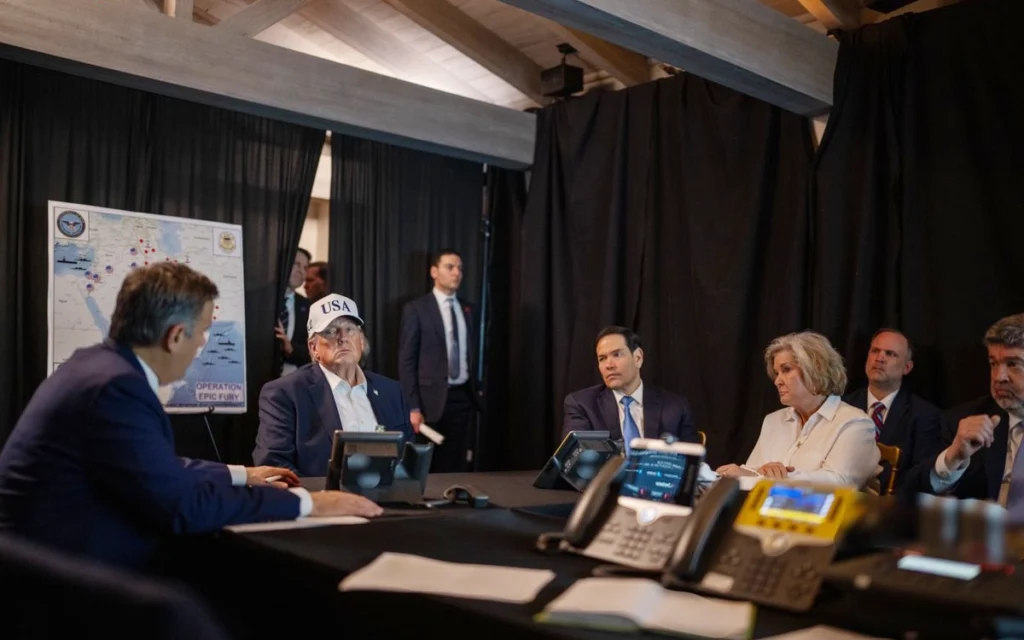
The question that now matters most is what is this war for? Eliminating Iran’s nuclear capacity is a legitimate objective that enjoys wide international support. Regime change, as Trump enunciated in a social media statement issued in the early morning hours of February 28, is a much more consequential proposition than America’s allies, outside of Israel, have not endorsed it. The gap between the stated military objectives and the actual political aims is a strategic coherence dead zone. Allies left guessing at the true plans can’t be expected to share the costs.
QatarEnergy’s CEO, surveying the extensive damage of Ras Laffan, bluntly assessed the situation from the perspective of a leader whose sovereign wealth fund just got hit with a missile: “If Israel attacked Iran, it’s between Iran and Israel. It has nothing to do with us and the region.” In indirect terms, his statement was an indictment. A war that turns a partner’s energy assets into a casualty without prior consultation or a credible protective shield is a war that burns the relationships one is wise to depend on.
Russia, China Win Without Firing a Shot
Wars are typically judged on what they cost and what they buy. On the cost side, the Iran war has delivered a global energy shock that rivals the 1970s; a $20 billion loss for a key ally, a 60 percent spike in Europe’s natural gas prices, gasoline rising towards $4 a gallon, a Strategic Petroleum Reserve drawn down in emergency conditions, and a NATO alliance visibly shaken by unilateral action of its key member. Russia got a strategic windfall without firing a shot. China emerged as the real winner in the war, boosting its drive to be seen as a sympathetic power eager to topple the U.S. dollar as the world’s reserve currency.
Benefits include the degradation of Iran’s nuclear enrichment capacity and the death of its Supreme Leader and much of his leadership team, quite an achievement by anyone’s yardstick. But any gains must be weighed against the costs and measured by their durability. Nuclear programs historically don’t stay destroyed. The conditions that generate them persist. The Iran that emerges from this conflict will be even more dependent on China and will probably harbor a deeper hatred of America and its Gulf allies. The world will probably not see a more stable environment than the one that existed before the war.
The Iran that emerges from this conflict will probably harbor a deeper hatred of America and its Gulf allies. The world will probably not see a more stable environment than the one that existed before the war
The Trump administration told Americans that a temporarily higher price at the pump is a small price to pay for a safer world. That may prove to be true. But the architecture of strategic parity paid a price, too, and not an insignificant one. The acceleration of de-dollarization in the energy markets, the fracturing of alliances, the elimination of clear energy buffers that would have cushioned the shock, and the transformation of manageable geopolitical problems into an open-ended energy crisis; all are neither small nor temporary costs.
Self-inflicted wounds tend to fester, and this one will not heal for a long time.