
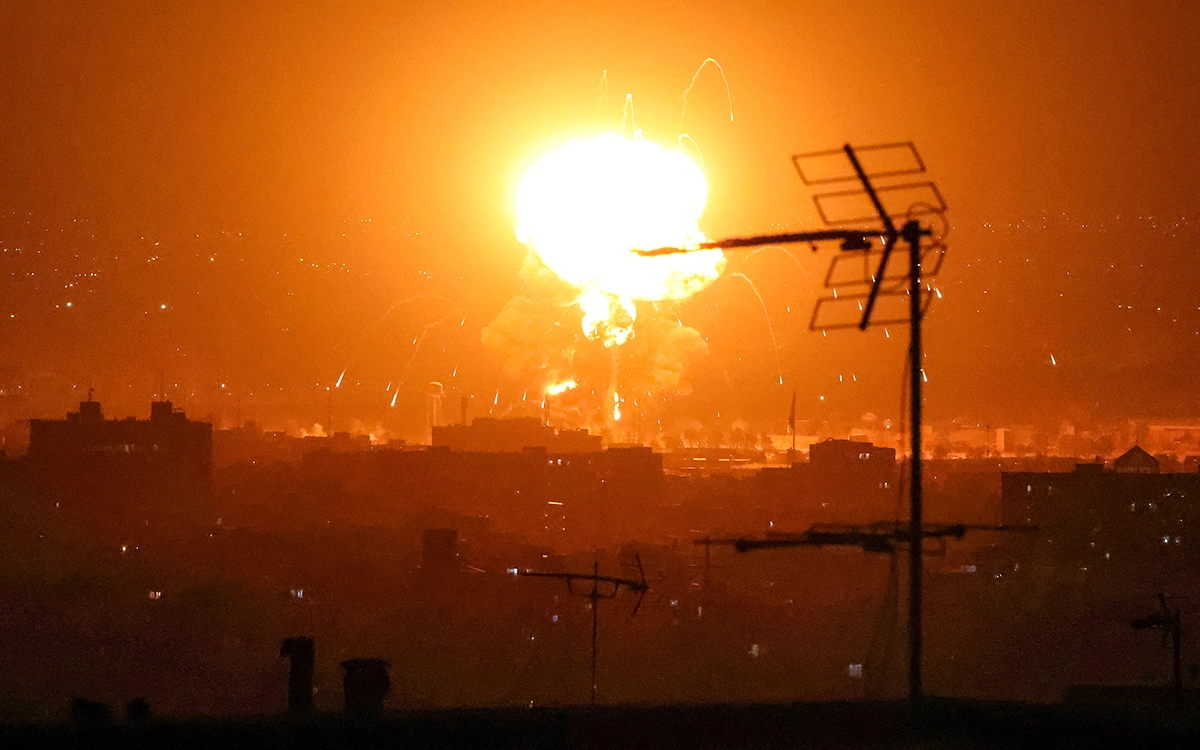
The United States and Iran said Monday they had again traded strikes, straining an already fragile ceasefire as negotiations between the two sides have stalled.
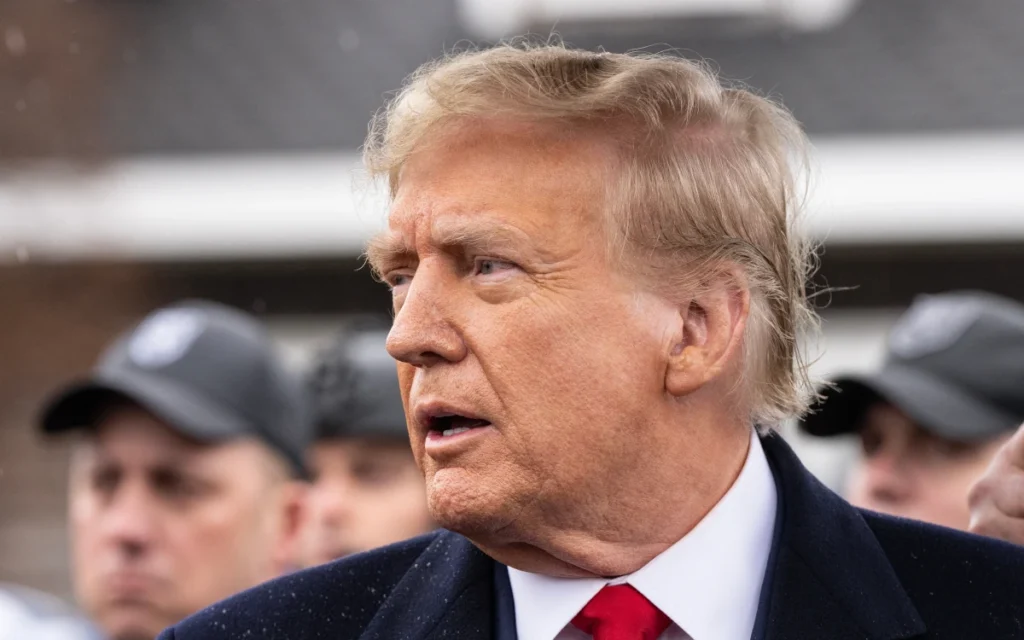
This comes as US media reported on Saturday that US President Trump had sent back a “tougher” new framework to be considered by Iran.
The latest exchange of fire coincided with Israel’s expansion of its offensive in Lebanon, with a push deeper into the country as the United States struck Iranian radar and drone control sites over the weekend.
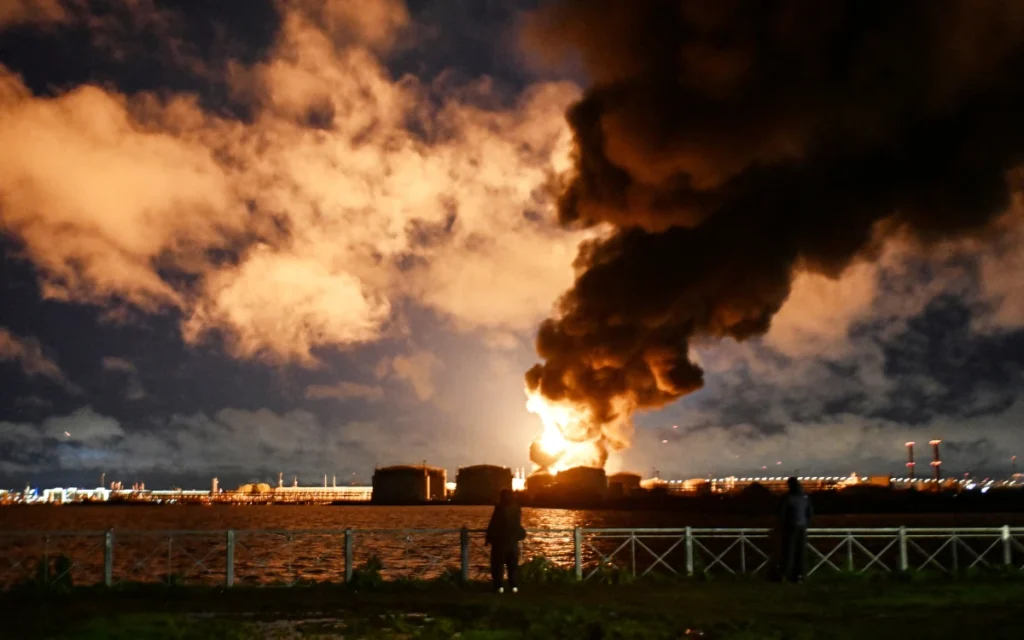
The US military announced that it had carried out “self-defense strikes” on Iranian radar and drone control sites in the southern part of the country over the weekend — its third such wave in just over a week. The strikes were in response to the downing of a US MQ-1 drone, it added.
Shortly after, Iran’s Revolutionary Guards said they targeted an “air base from which the attack originated” used by the US military, state broadcaster IRIB reported Monday, without specifying the location of the base.
The Guards’ announcement came on the heels of the Kuwaiti military saying its air defenses intercepted “hostile missile and drone attacks”, without mentioning where attack originated.
Washington and Tehran exchanged accusations of violating the ceasefire in effect since April 8, following US strikes on southern Iran and subsequent attacks on Kuwait.
The war erupted on February 28 with a US-Israeli attack on Iran, as Tehran and Washington had resumed negotiations on the nuclear issue. This war has resulted in hundreds of deaths, particularly in Iran and Lebanon, and destabilized the global economy by driving up oil prices.
After a period of optimism regarding an imminent agreement, US media reported on Saturday that Trump had sent a new proposal, hardening his demands, without providing details.
On Sunday, a US channel reported that Washington’s new proposal stipulates a 60-day extension of the ceasefire, with provisions related to reopening the Strait of Hormuz and establishing a framework for resuming nuclear negotiations.
Meanwhile, Iranian Parliament Speaker and chief negotiator Mohammad Bagher Ghalibaf said on Sunday that Tehran would not agree to any deal with the United States “before we are certain that the rights of the Iranian people are protected.”
On Sunday, Trump reiterated that “Iran will not have a nuclear weapon,” in a post on his Truth Social account.
Iran is demanding that any agreement must include an end to the war in Lebanon, where Israel is striking Iranian-backed Hezbollah.
The Israeli army continues its advance in southern Lebanon and its attacks deep inside the country, while Hezbollah continues to carry out attacks on Israeli forces in southern Lebanon, as well as on targets in northern Israel.
This escalation is taking place despite the announcement of a ceasefire in April, which has not been respected in practice.
On Sunday, the Israeli army seized the historic Beaufort Castle, located on a strategic hilltop in southern Lebanon, which served as an Israeli army base until its withdrawal from southern Lebanon in 2000 after two decades of occupation.
The United States says Hezbollah must first cease fire, in exchange for Israel refraining from any escalation in Beirut, according to a plan conveyed by a US official following talks Sunday between Secretary of State Marco Rubio and Lebanese President Joseph Aoun and Israeli Prime Minister Benjamin Netanyahu.
France has requested an emergency meeting of the Security Council, which will be held Monday, diplomatic sources said. (AFP)