


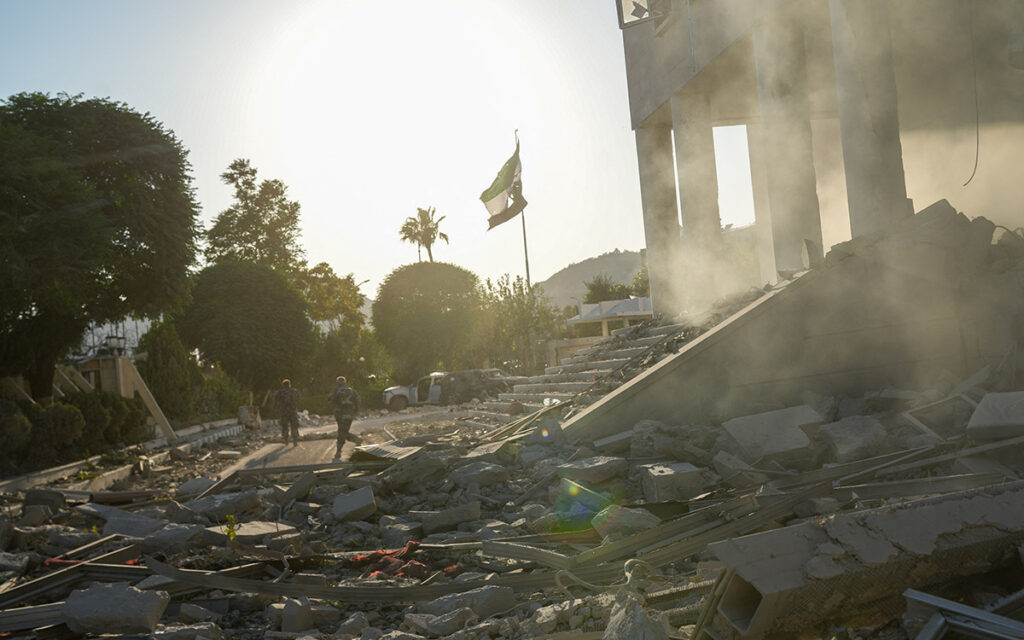
Between an interim Syrian president who is hedging his bets on regional alliances and an Israeli prime minister committed to preventing the emergence of an independent nation-state, Syrians today find themselves caught at the heart of a complex regional equation, despite the current wave of regional and international openness toward the new government in Damascus.
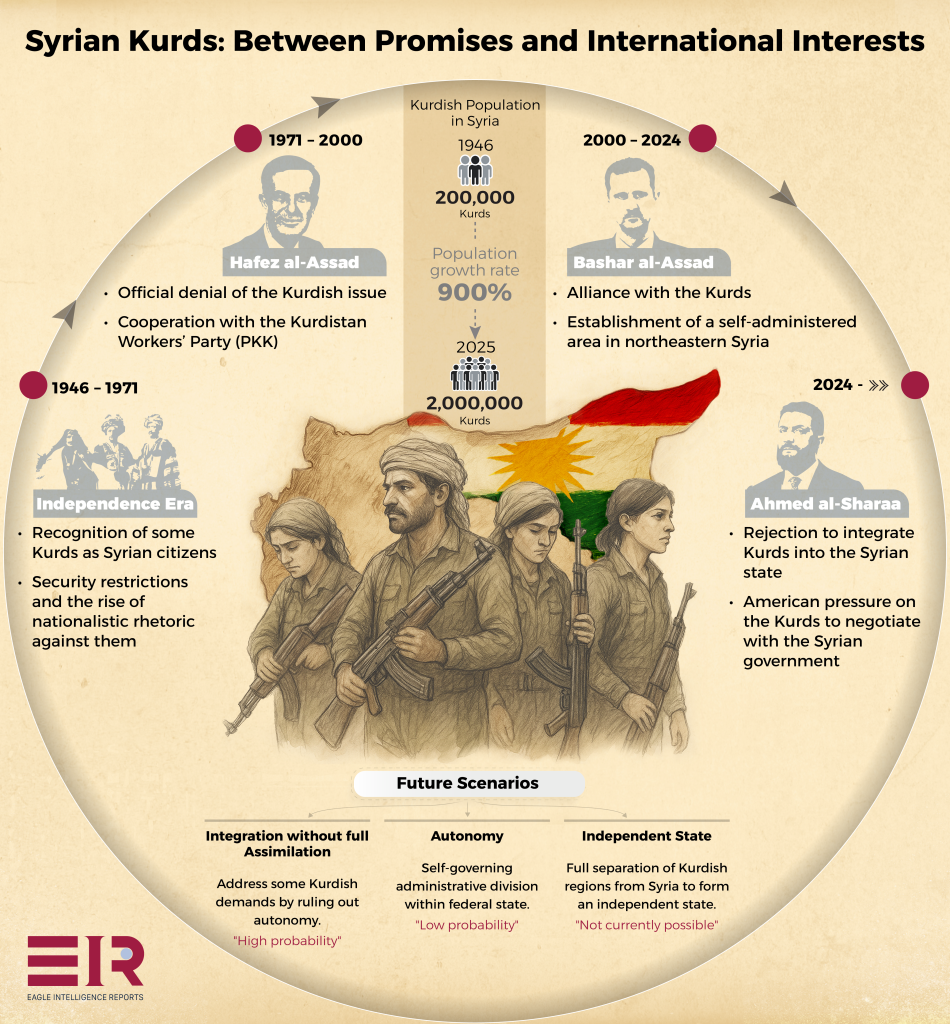
Kurds Pay the Price for Intersecting Global and Regional Interests in Syria
In light of the current dynamics in the region, attention to the Kurdish issue appears to be fading rapidly, as international and regional interests intersect with those of the new Syrian government in Damascus.
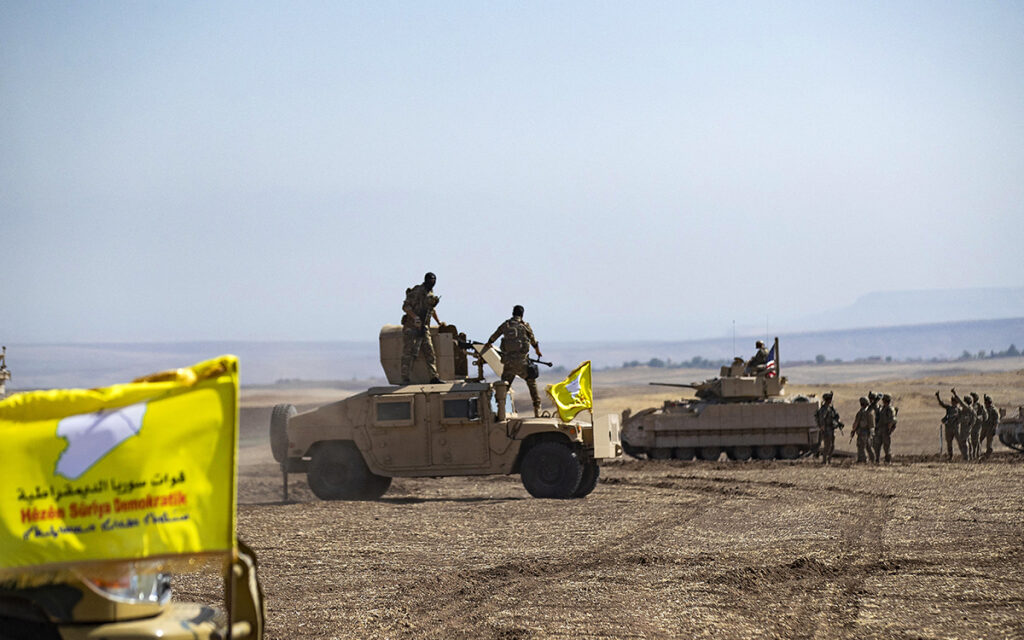
Syria’s Kurds and Misreading of the American Position
As Bashar al-Assad was defecting to Moscow heralding the end of Assad family’s 55 years of rule, Syria's Kurds were harboring lofty ambitions. All the cards seemed to come together seamlessly for the Kurds to birth their long-aspired independent state or an autonomous region like the Iraqi Kurdistan at bare minimum.
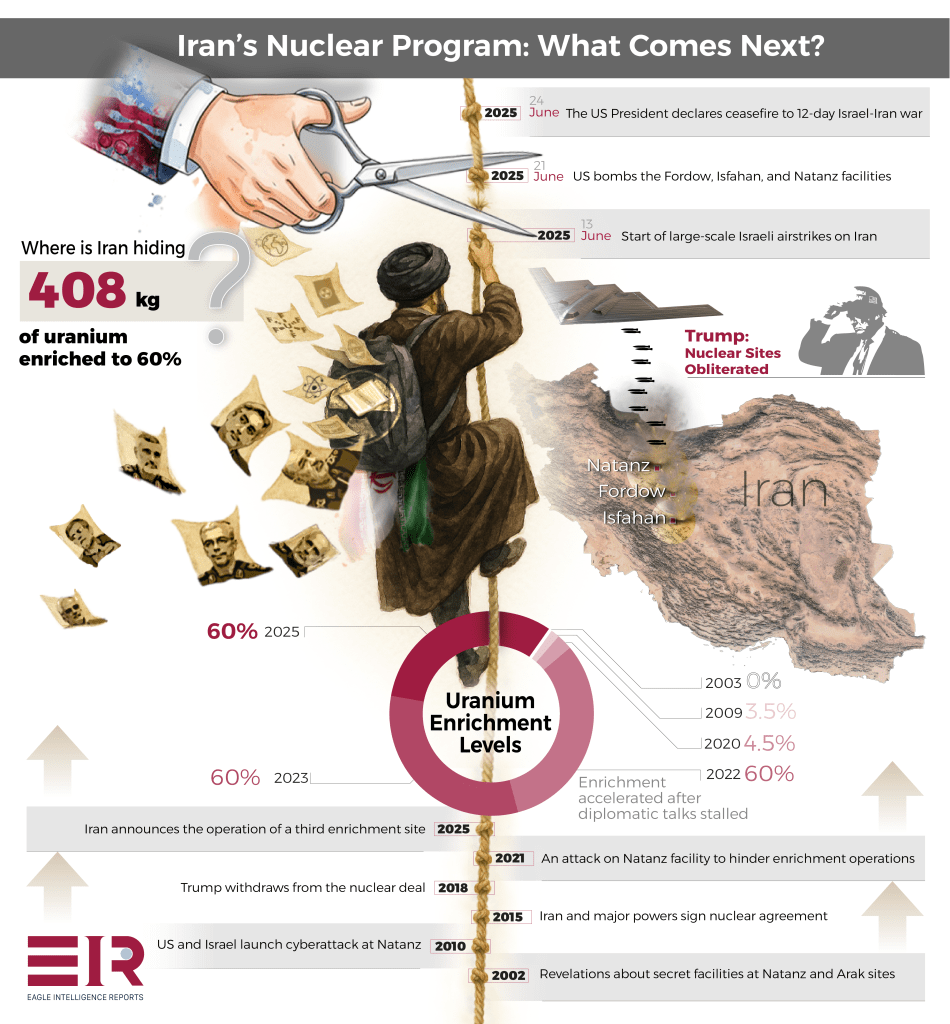
The Fate of Iranian Nuclear Program
Coming to terms with the shifting regional ties, Tehran is circling back again to the same point it has been for long, albeit with an opportunity to chart a different course this time. It should now try to look inside and focus on developing the country and its people instead of pursing futile goals of regional hegemony.

Russia Ready for Next Round of Ukraine Talks
Kremlin Spokesperson Dmitry Peskov said, “Kyiv is clearly hesitating… We are still waiting for proposals regarding the timing. The Russian side is ready to continue the negotiations and hold the third round of talks.”
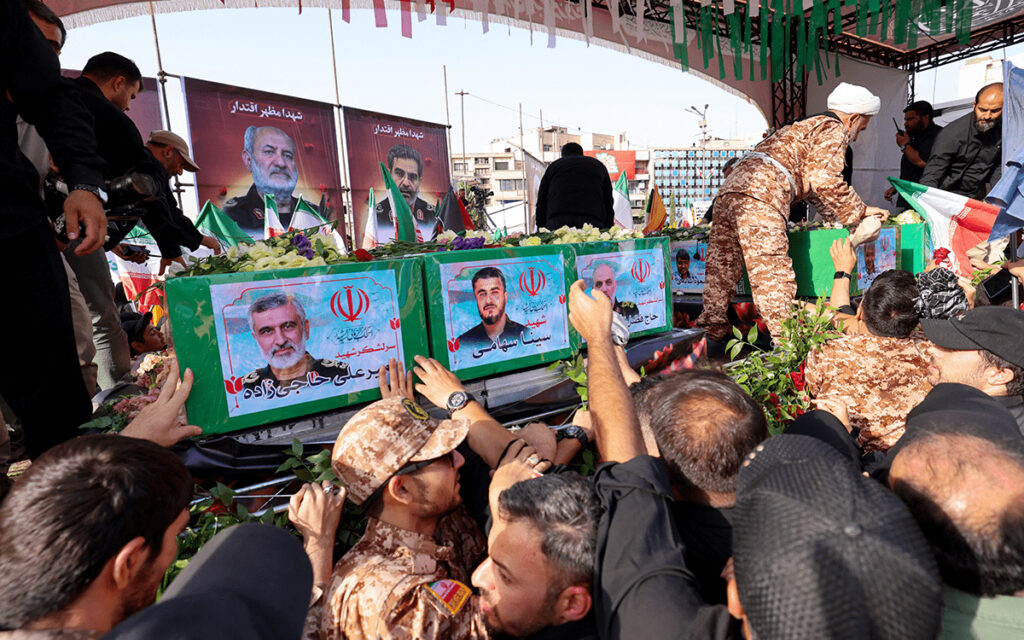
Iranian Repositioning: Preserving Power or Pivoting Inward?
As Tehran faces the consequences of shifting regional dynamics, its choice between long-term reform or short-term strategic pullback places the regime squarely at a clear fork in the road. Though the regime might pretend it was not affected by US and Israeli strikes, the reality appears entirely different.

Post-Gaza Reckoning: Strategic Consequences and Regional Turning Points
Twenty-one months into the war that has consumed Gaza, the Middle East’s political landscape has undergone significant shifts. As Arab states scramble to formulate more viable alternatives, Trump has promoted his controversial vision of turning Gaza into a flagship real estate project, further fueling regional tensions and recalibrations.
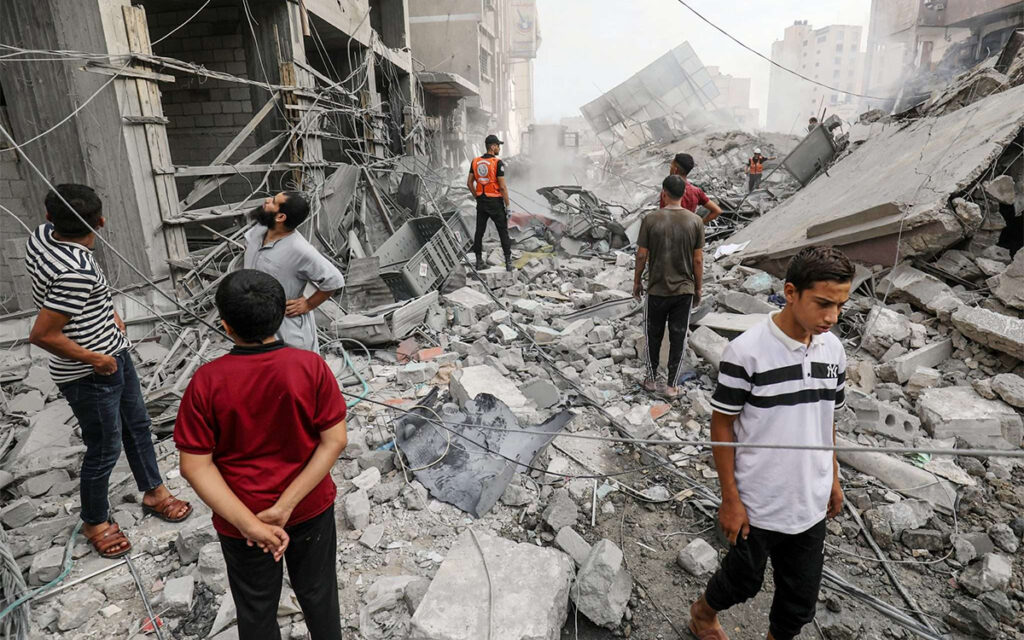
Post-Gaza Reckoning: Strategic Fallout and Regional Crossroads
Twenty-one months since the war began engulfing Gaza, the Middle East has drastically changed. The political landscape has measuredly shifted amid Trump touting his outrageous vision of Gaza as a real estate flagship project and Arab states' scrambling for alternative plans that are more tenable. The war has quashed the validity of age-old assumptions and reframed questions facing Israel and the Palestinians.
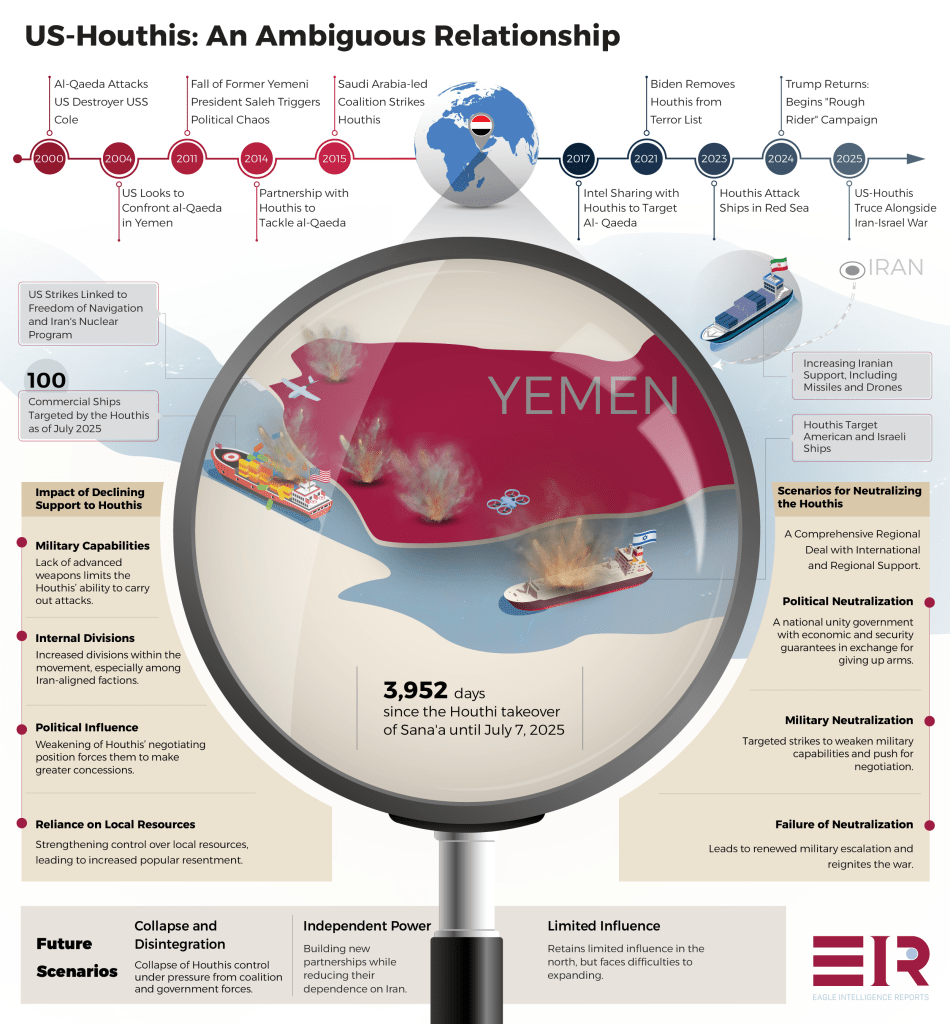
After the Strike on Iran: The Houthis at the Center of the Storm
A lack of external support may push the Houthis to strengthen their control over local resources (e.g., taxes and smuggling), potentially increasing local discontent.
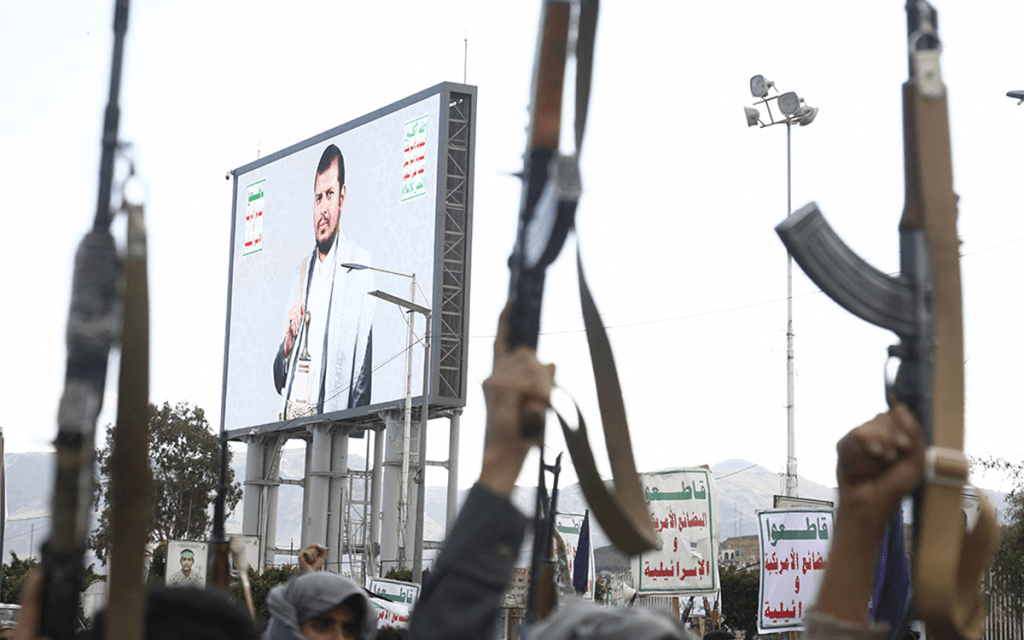
After the Strike on Iran: The Houthis in the Eye of the Storm
The Houthi movement in Yemen is one of the most prominent regional arms utilized by Iran to expand its influence, particularly amid the ongoing conflict since 2014. Iranian support, encompassing military aid, financial backing, and logistical assistance, has been instrumental in strengthening the Houthis’ capabilities against both local and regional adversaries.