
The Tasnim News Agency reported on Monday that Iran has suspended talks with the United States through intermediaries due to the ongoing war between Israel and Hezbollah in Lebanon.
The agency stated, “Given the continued crimes of the Zionist regime in Lebanon, and given that Lebanon was one of the preconditions for a ceasefire, and given that this ceasefire has been violated on all fronts, including Lebanon, the Iranian negotiating delegation has suspended dialogue and the exchange of messages through intermediaries” with Washington.
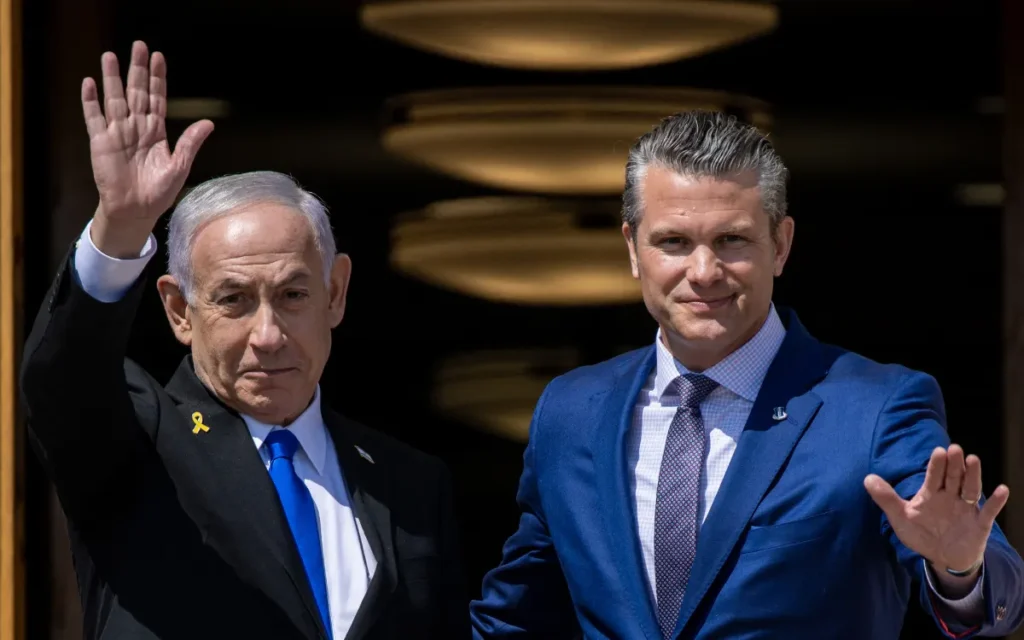
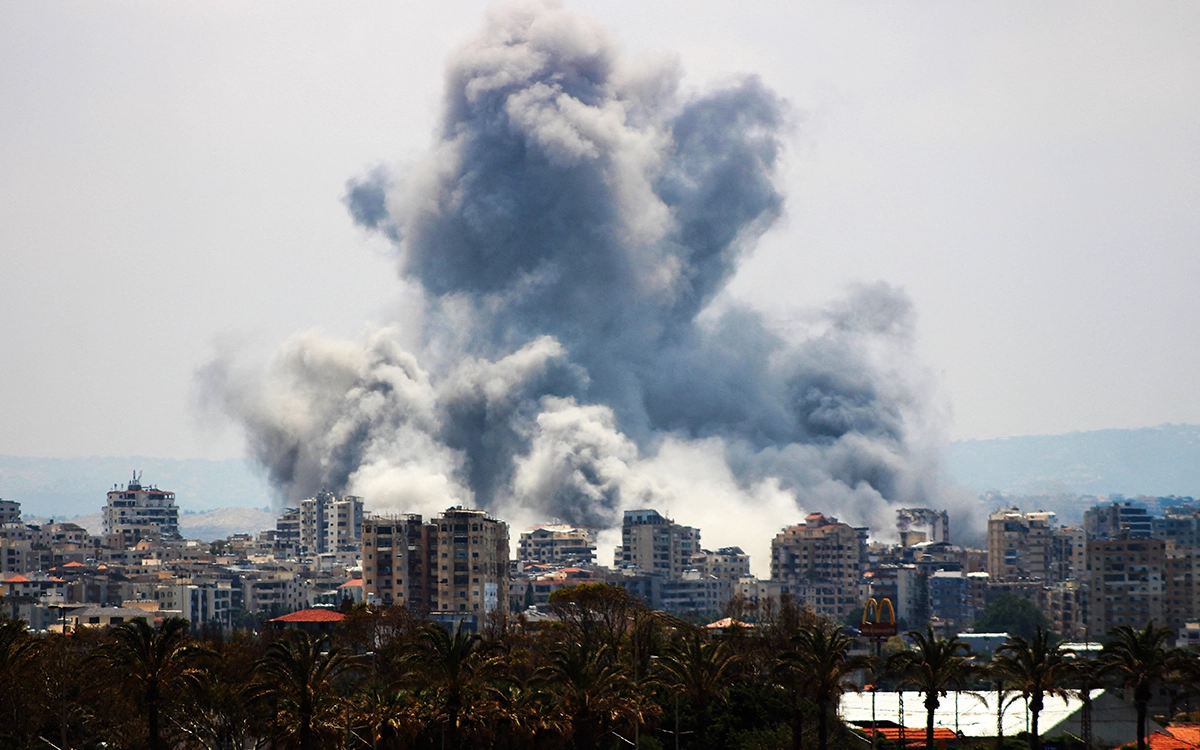
This development comes amid renewed Israeli escalation in rhetoric and on the ground, with Israeli Prime Minister Benjamin Netanyahu and Defense Minister Israel Katz announcing on Monday that they had instructed the Israeli military to strike what they described as “terrorist targets” in the Dahiyeh district of Beirut.
Meanwhile, an informed Lebanese source told Eagle Intelligence Reports that Lebanon’s President Joseph Aoun and the army command have agreed to reject a U.S. proposal to establish a special brigade within the Lebanese army, under Washington’s supervision, funding, and training, tasked with disarming Hezbollah.
The decision to reject the U.S. proposal comes amid concerns that implementing it could lead to direct confrontation between the army and Hezbollah members, as well as internal divisions that would be difficult to contain.
The source said discussions within official circles did not focus on supporting the army or strengthening its capabilities, but rather on the domestic cost of the proposed mission. The army command fears the special brigade could turn into a confrontational force against Hezbollah, placing soldiers in direct conflict with the group’s members or support base at a time when Lebanon has little capacity to withstand another internal confrontation.
According to the source, the main concern for the presidency and the army command is that any field operation to disarm Hezbollah, if carried out by a special unit under U.S. supervision, could be exploited by the group to reinforce its narrative as a resistance force and portray the Lebanese state as acting under foreign directive against a Lebanese party. Such a narrative could give Hezbollah greater ability to mobilize politically and publicly against any subsequent security track. EIR