

Regional crises increasingly function as strategic signaling events within an international system characterized by intensifying multipolar competition, with implications for global deterrence stability. When major powers become directly involved in regional conflicts, their military actions and escalation decisions generate signals that are closely observed by other states assessing the broader balance of power. The ongoing confrontation between U.S.–Israel and Iran illustrates this dynamic clearly. American actions in the conflict now serve not only immediate military objectives but also communicate strategic information about U.S. capabilities, escalation tolerance, and alliance commitments.
Although the fighting remains geographically concentrated in the Middle East, its strategic implications extend well beyond the region. Developments surrounding maritime chokepoints, energy markets, and alliance coordination ensure that the confrontation is closely monitored across the wider international system. Amid these variables, major powers evaluate American strategic credibility.
For Washington, this creates a complex signaling environment. U.S. military participation must simultaneously pursue operational objectives in the conflict while shaping how American power and resolve are interpreted by external observers. Decisions regarding force deployments, escalation thresholds, and coalition coordination communicate signals to multiple audiences. Tehran interprets them primarily through escalation dynamics within the conflict, while Moscow and Beijing assess them as indicators of U.S. strategic capacity and global commitment.
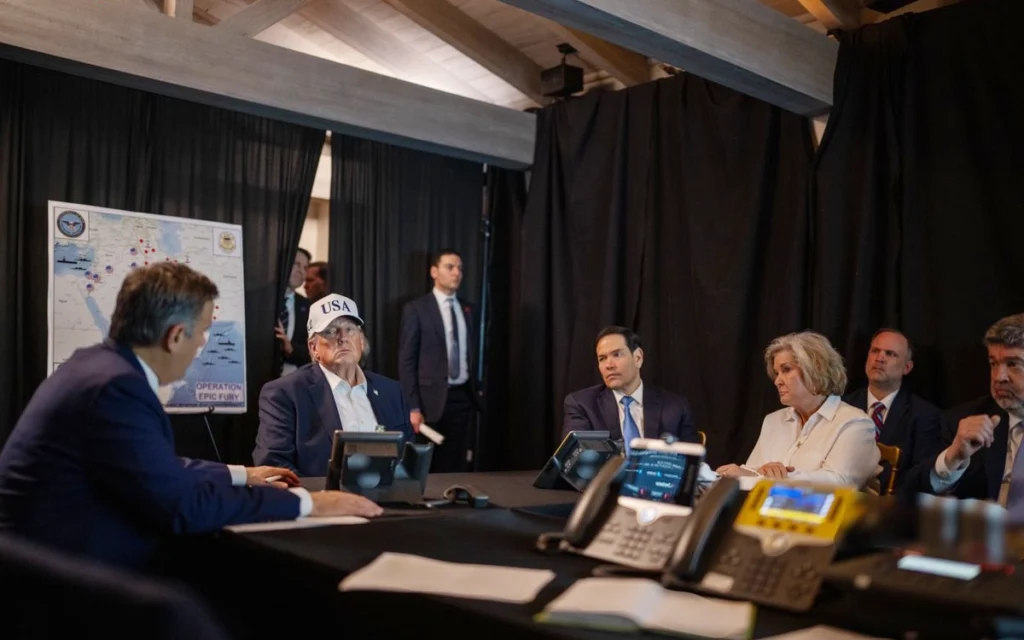
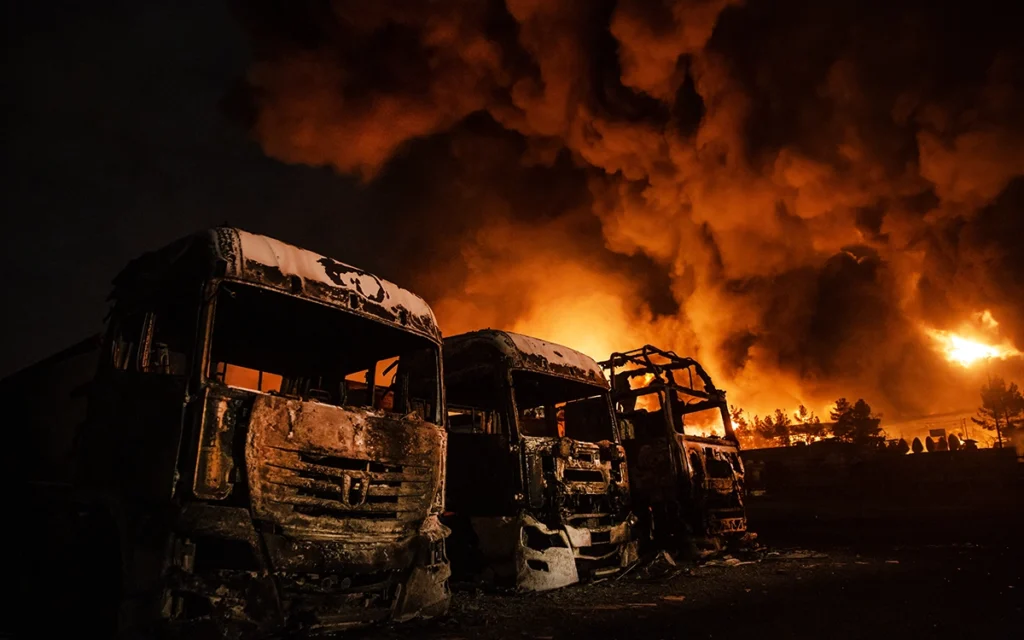
Recent developments also illustrate how rapidly such conflicts generate systemic effects. Oil prices surged to above $100 per barrel as the confrontation disrupts maritime transit through the Strait of Hormuz. At the same time, statements by U.S. President Donald Trump suggesting that the conflict could end “very soon,” despite ongoing military operations highlight the interaction between political signaling and military escalation.
Understanding the confrontation therefore requires examining how U.S. military involvement communicates strategic information to multiple audiences within an evolving multipolar order. American operational behavior functions not only as military action but also as a strategic signal through which other major powers assess the credibility of U.S. power projection.
American operational behavior functions not only as military action but also as a strategic signal through which other major powers assess the credibility of U.S. power projection
Regional Crisis as Global Strategic Signal
The strategic meaning of regional conflicts has evolved alongside structural changes in the international system. During the period of post–Cold War unipolarity, regional crises were often treated as geographically contained security challenges. In the current environment, they function instead as strategic observation environments within broader great-power competition.
For alliance partners, U.S. military involvement provides empirical evidence of the durability of American security guarantees. Israel, Gulf states, and European partners assess whether Washington is willing to accept operational risk in defense of regional stability. Crisis behavior therefore becomes a practical test of alliance credibility rather than a declaratory commitment.
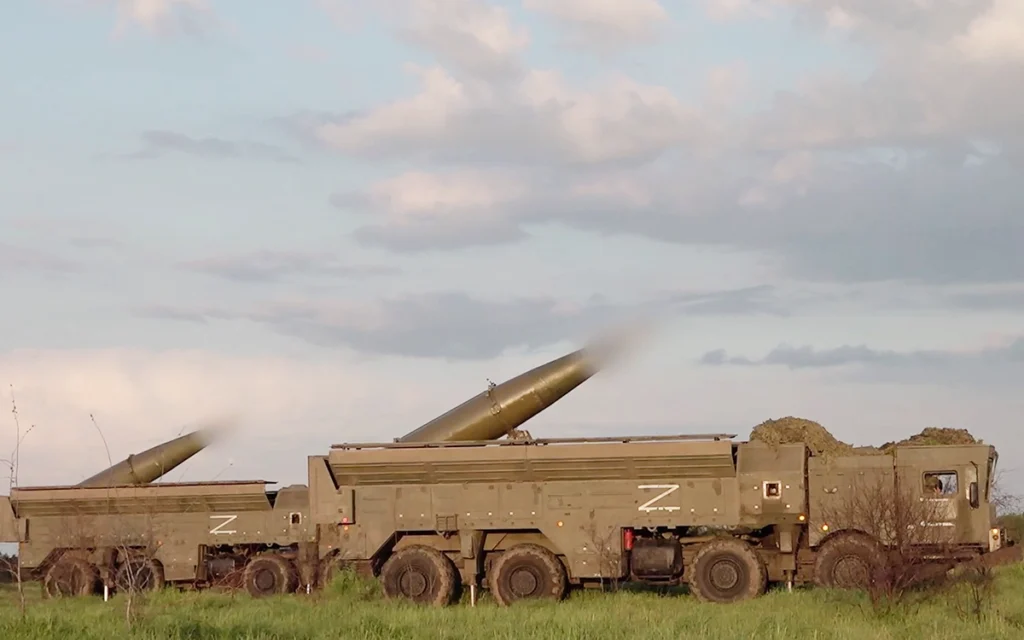
For rival powers, the same events serve as indicators of U.S. operational capacity and strategic prioritization. Russia and China monitor American deployments, operational involvement, and escalation decisions to assess the United States’ ability to sustain commitments across multiple regions simultaneously. The speed of force mobilization, the scale of military presence, and the coordination of allied responses provide observable signals of American strategic bandwidth. Consequently, even geographically limited confrontations acquire global analytical significance.
Material Indicators of U.S. Credibility
Credibility in international politics is communicated through observable capability and operational behavior rather than rhetorical commitments. In the current confrontation, forward military presence, defensive infrastructure, and coalition coordination together form the material basis of U.S. deterrence posture. These elements provide visible indicators through which observers assess American strategic capabilities.
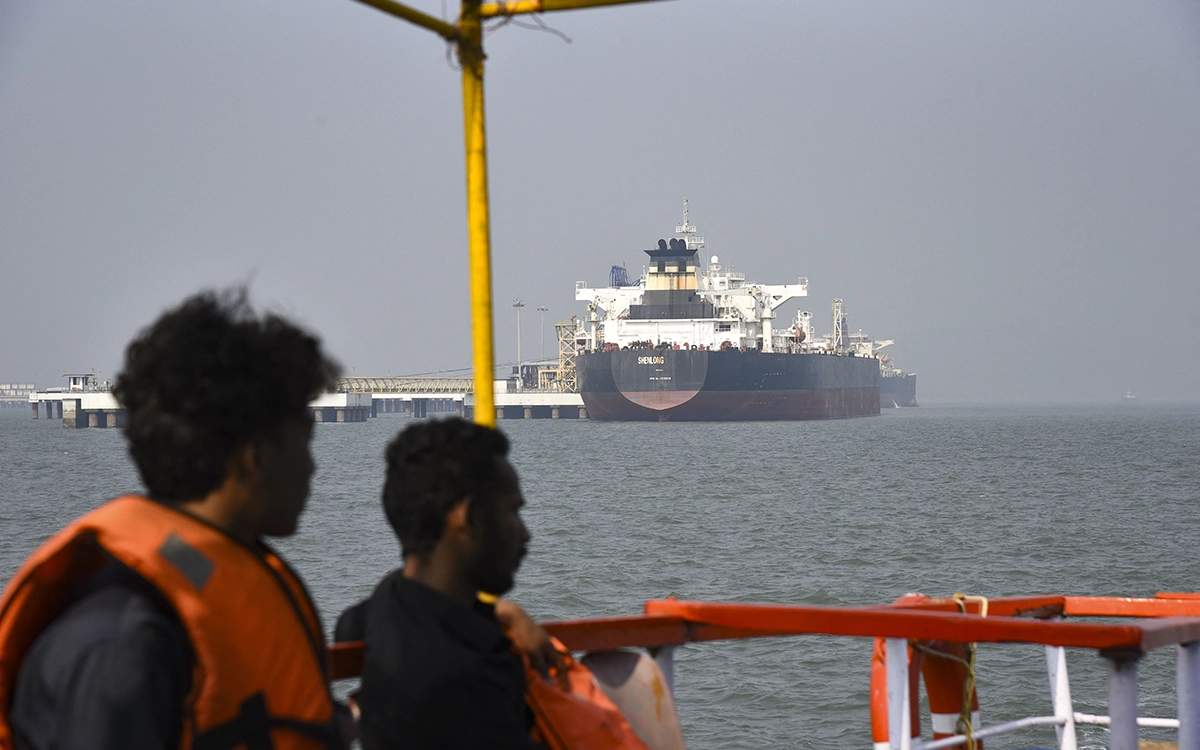
Naval deployments represent the most visible expression of U.S. deterrence. In recent weeks, U.S. forces under U.S. Central Command (CENTCOM) have included carrier strike group elements and Aegis-equipped guided-missile destroyers, reinforcing American presence in both the eastern Mediterranean and the Arabian Gulf.
This maritime posture is enabled by a network of forward bases that provide operational reach across the region. Al Udeid Air Base in Qatar serves as the largest U.S. military installation in the Middle East and functions as the forward hub for CENTCOM air operations. In Bahrain, the U.S. Fifth Fleet maintains a permanent naval presence responsible for maritime security across roughly 2.5 million square miles of maritime space, including the Arabian Gulf, Arabian Sea, and Red Sea, including key chokepoints such as the Strait of Hormuz and Bab el-Mandeb.
Together, these assets provide rapid-response capability while signaling U.S. readiness to attempt to protect maritime transit routes and respond to escalation. In doing so, they are intended to simultaneously reassure allies and demonstrate operational preparedness to adversaries.
United States installations across Iraq, Syria, Qatar, Bahrain, and Kuwait enable logistical reach, intelligence integration, and sustained military presence across the region. Yet they also expose American personnel and assets to retaliation by Iran-aligned militia networks, demonstrating that deterrence commitments carry operational risks that accompany symbolic reassurance.
Integrated Defense and Coalition Coordination
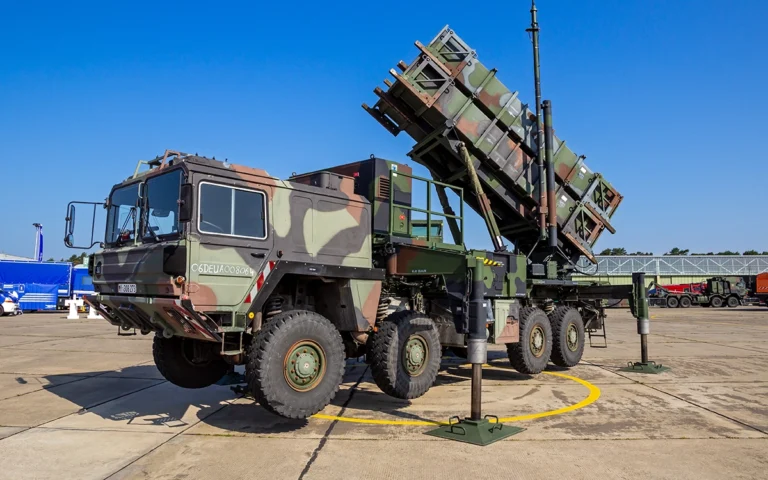
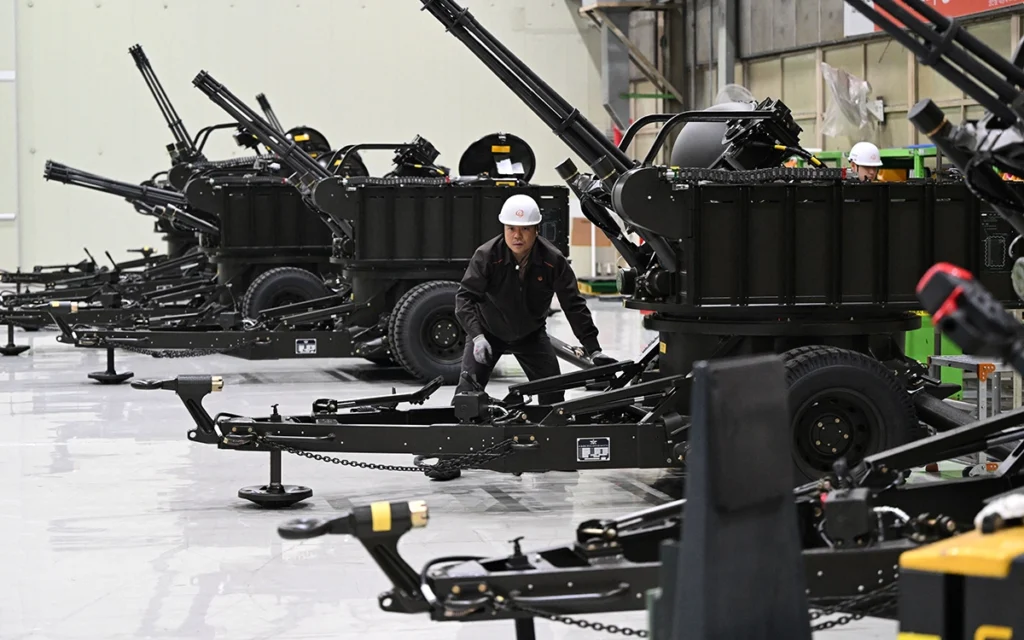
Integrated air and missile defense networks constitute a second signaling layer. Patriot and THAAD systems deployed across Gulf states, alongside Aegis-equipped naval platforms operating in nearby waters, enhance defensive capacity against missile and drone attacks. These systems operate in coordination with U.S. regional command infrastructure based in Qatar and Bahrain, forming a layered architecture designed to intercept threats directed at both U.S. forces and regional partners.
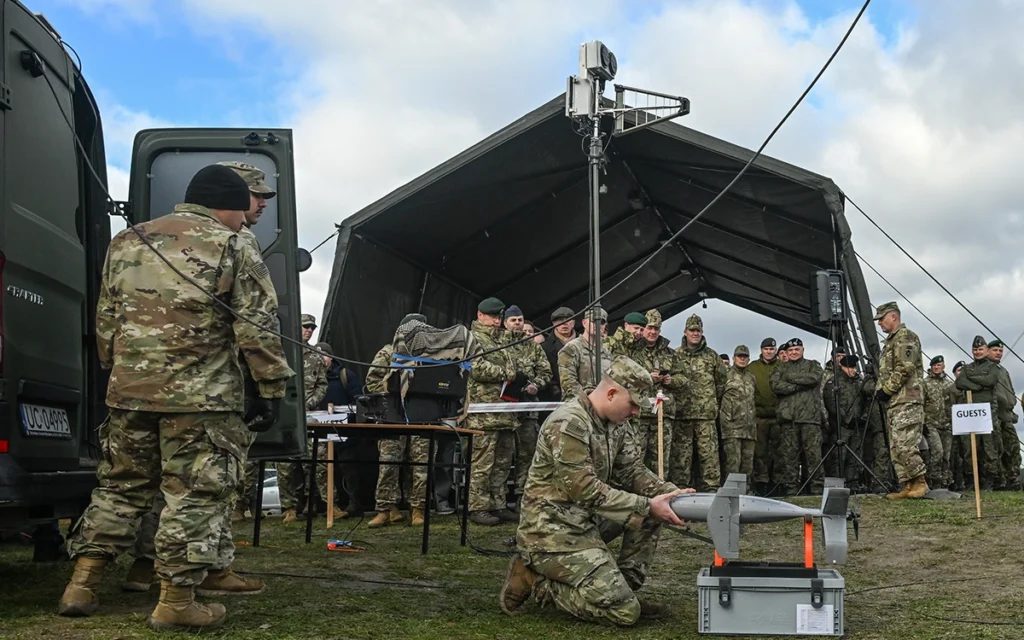
Coalition coordination provides a further dimension of credibility signaling. Multinational naval patrols in the Arabian Gulf and the Red Sea, intelligence-sharing frameworks between the United States, Israel, and European partners, and diplomatic coordination with Gulf states are intended to demonstrate that United States has the capacity to mobilize collective security structures.
Coalition coordination provides a further dimension of credibility signaling. Naval patrols, intelligence-sharing, and coordination with Gulf states demonstrate that the U.S. has the capacity to mobilize collective security structures
The ability to coordinate allied responses strengthens deterrence by increasing the perceived political and operational costs of escalation for adversaries. How these signals are interpreted by Tehran, as well as by other major powers, remains central to the broader strategic dynamics of the confrontation.
Iranian Interpretation of U.S. Signaling
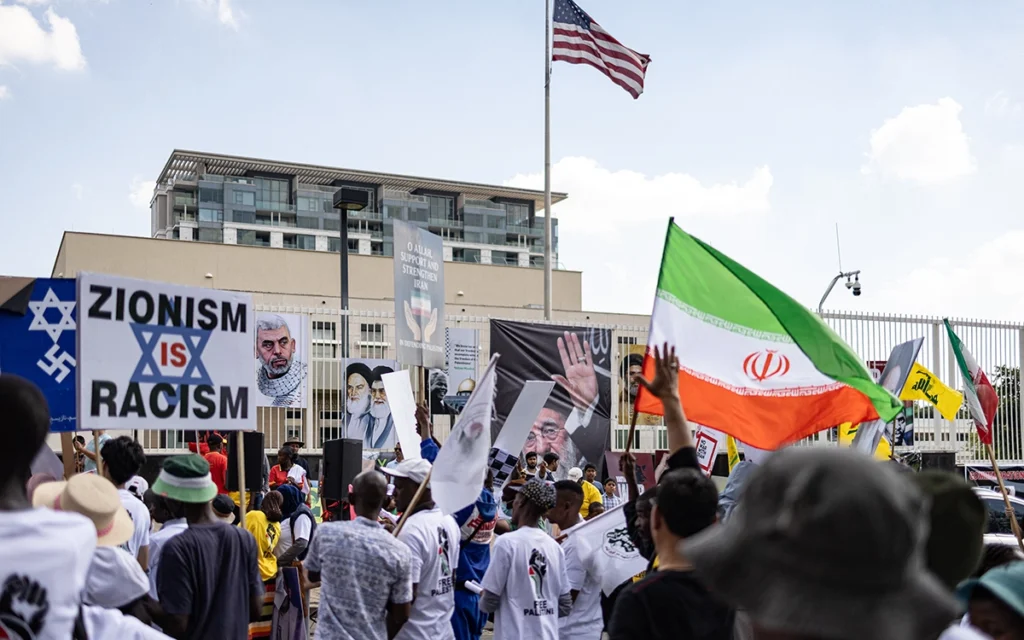
Iranian strategic doctrine places significant emphasis on interpreting external signals and identifying escalation thresholds. Tehran evaluates U.S. military deployments, diplomatic messaging, and operational responses to assess both the risks of escalation and the opportunities for calibrated retaliation. When American posture appears robust and closely coordinated with regional partners, Iranian decision-makers tend to assume that direct escalation carries unacceptable risk. Under such conditions, Tehran often relies on indirect pressure through proxy networks in Lebanon, Iraq, Syria, and Yemen. These networks allow Iran to impose costs while preserving strategic ambiguity and limiting the likelihood of direct interstate confrontation.
Recent regional patterns illustrate this mechanism. Hezbollah in Lebanon maintains one of the largest missile arsenals among non-state actors, while Iran-aligned militias in Iraq have repeatedly targeted U.S. installations with rocket and drone attacks. In Yemen, Houthi forces have demonstrated the capacity to disrupt maritime traffic in the Red Sea through missile and drone operations targeting commercial shipping. Conversely, ambiguous or restrained U.S. responses may generate perceptions of escalation aversion. Iranian leadership could interpret such signals as evidence that Washington prioritizes containment over confrontation.
Iranian strategic planning also reflects a strong emphasis on endurance. Rather than seeking rapid military victory, Tehran has historically framed confrontation with technologically superior adversaries as a contest of political and economic resilience. Leadership dynamics further reinforce this posture. With decision-making authority increasingly concentrated in the Islamic Revolutionary Guard Corps, retaliation may be shaped more heavily by operational considerations as the conflict goes on.
Multipolar Observation: Russia and China
While Iran represents the immediate strategic counterpart in the confrontation, the broader international environment ensures that U.S. actions are also interpreted by other major powers. Russia and China observe American participation primarily through the lens of broader strategic competition.
For Russia, developments in the Middle East provide insight into U.S. operational flexibility and political resolve, as Washington remains engaged in supporting Ukraine. The scale and speed of American military deployments and munitions replenishment indicate whether the United States can sustain commitments across multiple regions simultaneously.
China interprets the crisis through an Indo-Pacific strategic framework. Beijing monitors U.S. actions for indications of how Washington might respond in contingencies involving Taiwan or maritime disputes in the South China Sea. The credibility of U.S. alliance commitments, coordination of multinational responses, and escalation thresholds therefore provide data points relevant to China’s long-term strategic planning.
This multipolar observation environment significantly complicates U.S. strategic decision-making during the conflict. Actions taken to achieve military objectives in the regional conflict simultaneously shape perceptions of U.S. credibility across the wider international system.
Actions taken to achieve military objectives in the regional conflict simultaneously shape perceptions of U.S. credibility across the wider international system
The Credibility Dilemma
In such an environment, maintaining credibility requires careful strategic calibration. Excessive military escalation risks transforming a regional confrontation into a broader conflict that could strain U.S. resources and expand the geographic scope of the war. Insufficient response, however, risks signaling reluctance to defend allies under pressure.
This dilemma becomes particularly visible when crisis signaling is interpreted simultaneously by multiple audiences. Decisions taken during U.S. military involvement must reassure regional partners while remaining consistent with broader global credibility concerns observed by Russia and China. President Trump’s recent ambiguous statements about the conflict’s termination criteria further complicate strategic assessments. Trump’s combination of optimistic war-termination rhetoric and conditional escalation threats reflects a familiar feature of limited military campaigns: the strategic use of ambiguity.
However, such ambiguity also carries risks. For adversaries, unclear termination criteria complicate the interpretation of escalation thresholds and may increase the probability of miscalculation. For allies, the absence of clearly articulated strategic objectives can generate uncertainty regarding the durability and scope of U.S. commitments.
In a multipolar environment where crisis dynamics are continuously observed and evaluated, managing this credibility dilemma becomes a central challenge of U.S. strategic signaling. Yet the consequences of escalation extend beyond diplomatic credibility and military deterrence, as regional instability also transmits rapidly into global economic systems.
Global Economic Consequences
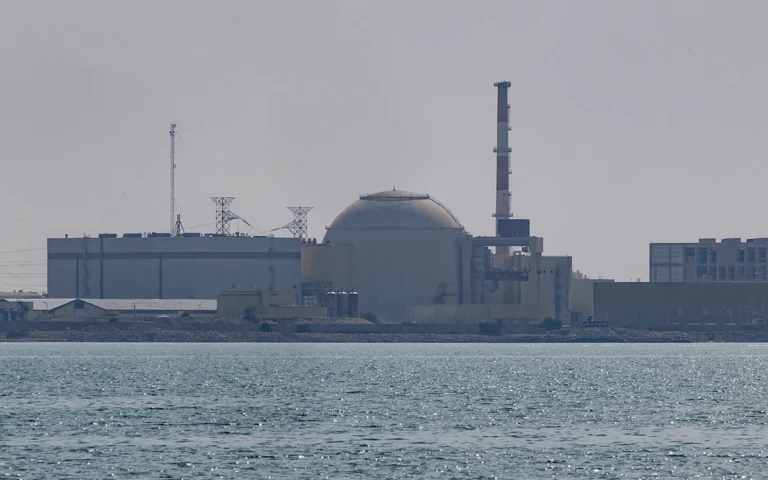
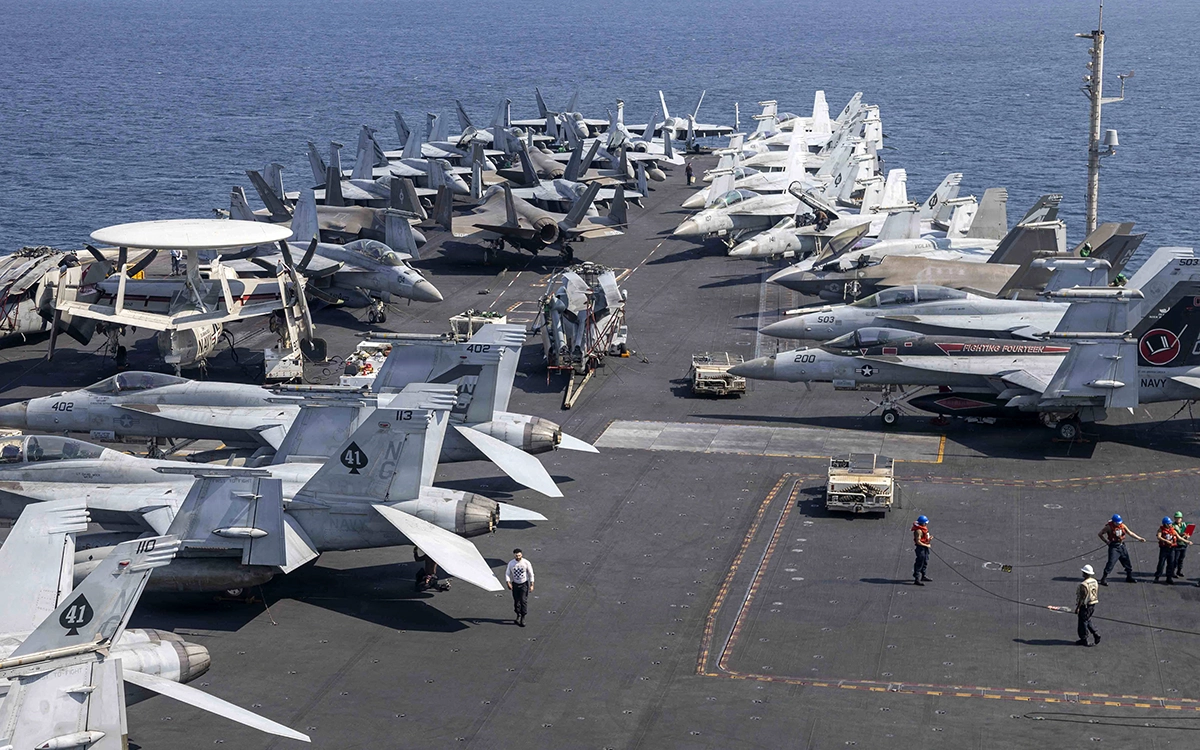
Because such a large share of global energy flows through the Arabian Gulf corridor, even the perception of disruption can generate significant volatility in international energy markets. Iran’s strategic approach reflects a broader asymmetric logic centered on energy disruption. Unable to match U.S. conventional military capabilities directly, Tehran seeks leverage over critical maritime chokepoints that translate regional instability into global economic vulnerability.
Shipping behavior already reflects these risks. Commercial tankers have largely stopped traversing the corridor due to elevated security concerns, while insurance premiums for vessels operating in the region have risen sharply. So far Trump’s attempts to convince non-belligerent states to share the burden of potential military escorts of tankers have been unsuccessful. Energy markets, maritime logistics networks, and global supply chains therefore function as transmission channels through which regional confrontation acquires broader systemic significance.
U.S. Durability and Strategic Implications
The durability of U.S. credibility depends less on avoiding crises than on how effectively the United States sustains military involvement while maintaining consistent strategic signaling. In a multipolar system in flux, credibility is evaluated continuously through observable behavior rather than declaratory policy.
From Tehran’s perspective, the confrontation may evolve into a contest of political endurance rather than a decisive military campaign, reflecting Iran’s longstanding strategy of outlasting technologically superior adversaries by gradually increasing the political costs of military involvement.
For the United States, the strategic challenge lies in preserving deterrence while preventing regional escalation from expanding into a broader systemic confrontation. In this sense, war in Iran illustrates how regional crises increasingly function as credibility tests within a dynamic multipolar system.
In the near term, the most likely trajectory is continued controlled escalation rather than rapid conflict resolution. The confrontation will likely remain contained but volatile, with periodic spikes in military activity and economic disruption. Under these conditions, U.S. credibility will be shaped not by decisive battlefield outcomes but by Washington’s capacity to sustain military involvement, manage escalation dynamics, and demonstrate consistent strategic resolve in the face of prolonged confrontation.
The most likely trajectory is continued controlled escalation rather than rapid conflict resolution. The confrontation will likely remain contained but volatile