
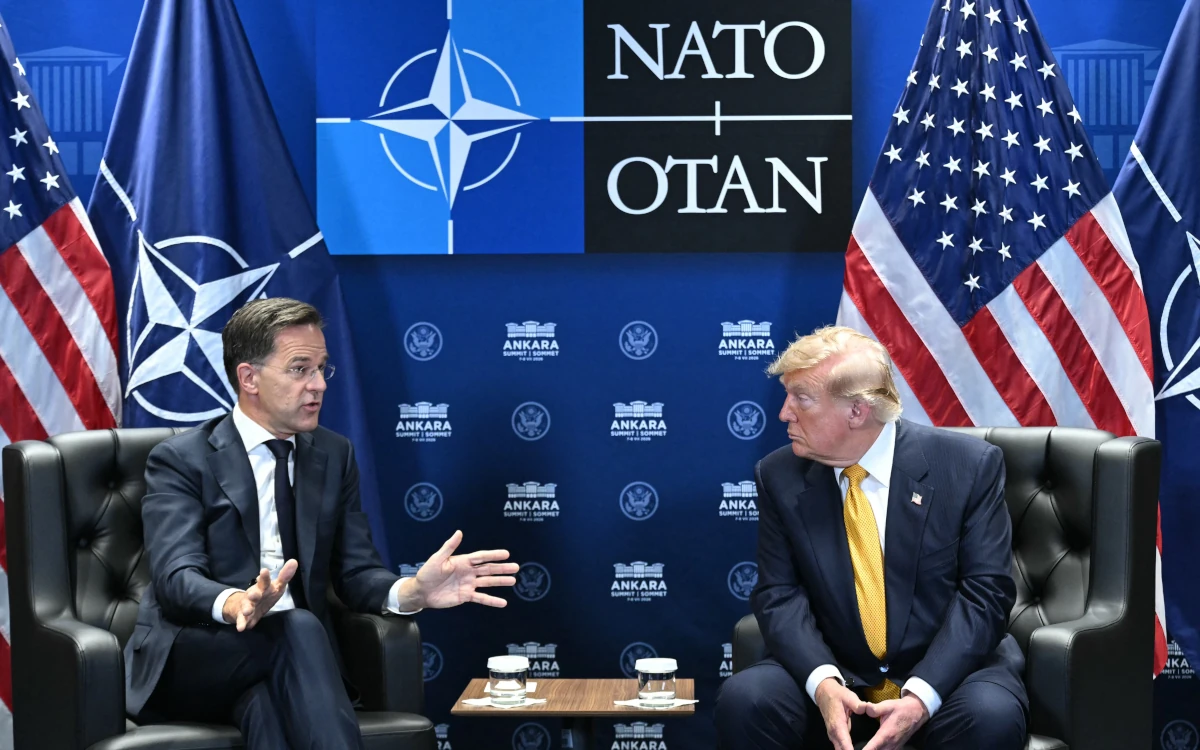
Washington remains completely committed to NATO, despite concerns about US President Donald Trump’s willingness to protect allies, the military alliance’s secretary general said Wednesday at the opening of a key summit.
“There is complete commitment of the United States to NATO.. But hey, there’s also an expectation.. that the Europeans and the Canadians will equalize their spending with the United States.. Which I think.. is completely fair,” Mark Rutte told journalists.
The summit comes at a fraught time for the 77-year-old transatlantic alliance, with Trump demanding members make good on a pledge to ramp up defense spending as Washington takes a step back from Europe.
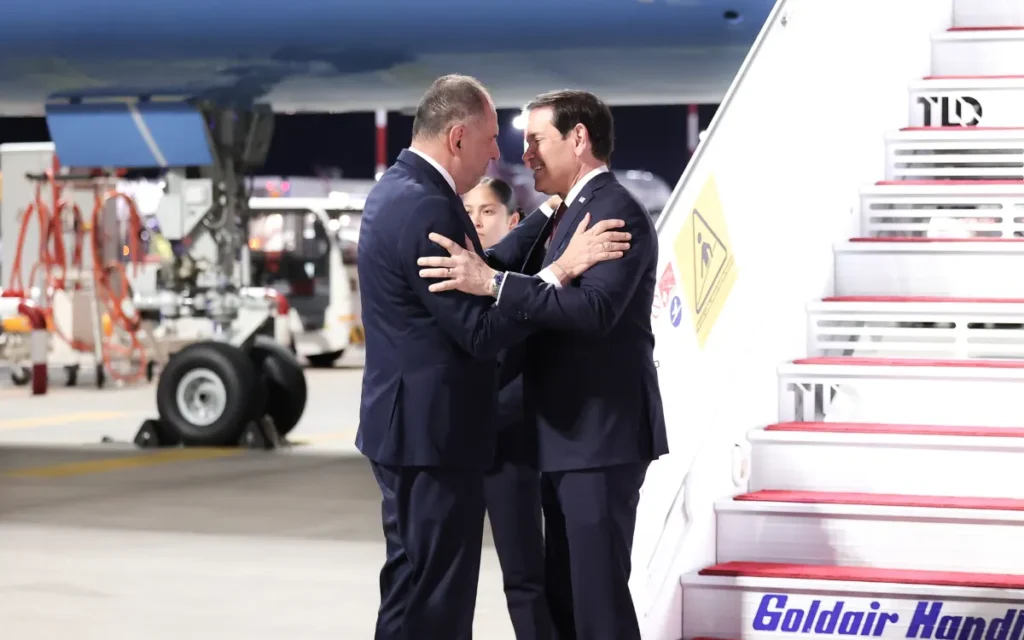
As he landed in the Turkish capital, Trump was effusive in his praise for President Recep Tayyip Erdogan, highlighting their “chemistry” in remarks that contrasted sharply with his lingering bitterness with European allies over the war on Iran.
“I was very disappointed with NATO,” Trump repeated, setting the tone for the summit’s main gathering where the alliance’s 31 other leaders will come face-to-face with him. “Frankly, if the summit hadn’t been held in Turkey, I probably wouldn’t have gone.”
Although Trump still appears rankled over restrictions some allies put on US forces using bases at the start of the Iran conflict, he brought welcome news for Erdogan, saying he would consider selling Turkey F-35 fighter jets and would roll back sanctions.
Ankara was booted out of the F-35 program in 2019 after buying a Russian defense system, and has long sought a way to regain admittance and to secure the lifting of US sanctions that have soured ties and hampered Turkish defense projects, and looked to Trump’s visit to break the deadlock.
Sitting next to him, Erdoğan said he was confident Trump would resolve the issue and end the dispute. “Mr. Trump has also personally given us his word on this matter,” he said through a translator.
However, Israeli Prime Minister Benjamin Netanyahu warned on Tuesday that a US sale of F-35 fighter jets to Turkey would “upset the balance of power” in the Middle East. (AFP)