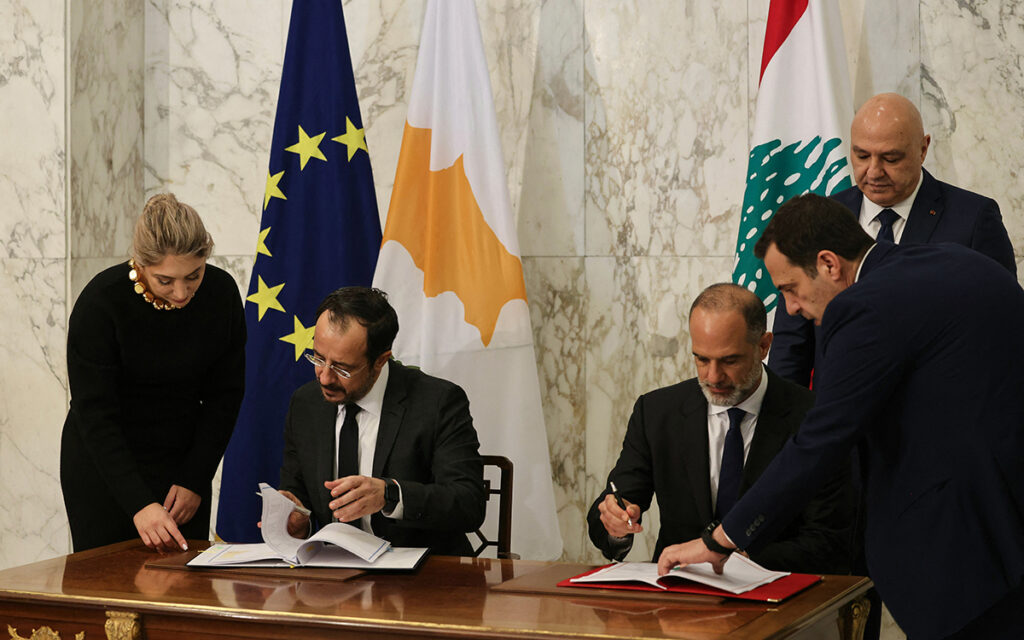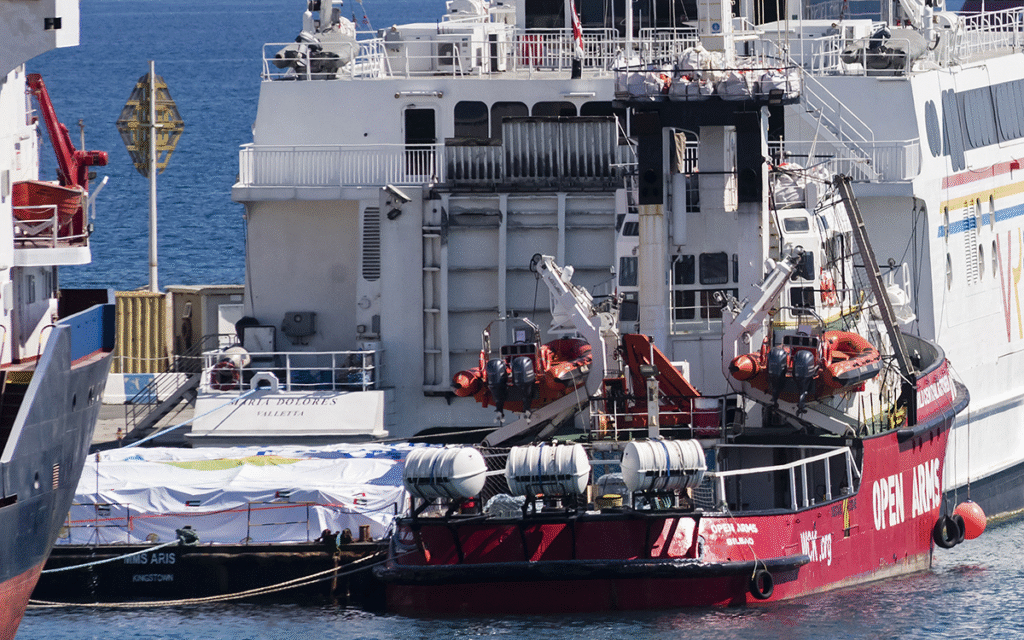


The recent 2025 agreement on the delimitation of the Exclusive Economic Zone (EEZ) in the Mediterranean Sea between Cyprus and Lebanon put a definitive end to two decades of ambiguity surrounding the maritime borders of the two states.

The recent 2025 agreement on the delimitation of the Exclusive Economic Zone (EEZ) in the Mediterranean Sea between Cyprus and Lebanon put a definitive end to two decades of ambiguity surrounding the maritime borders of the two states.
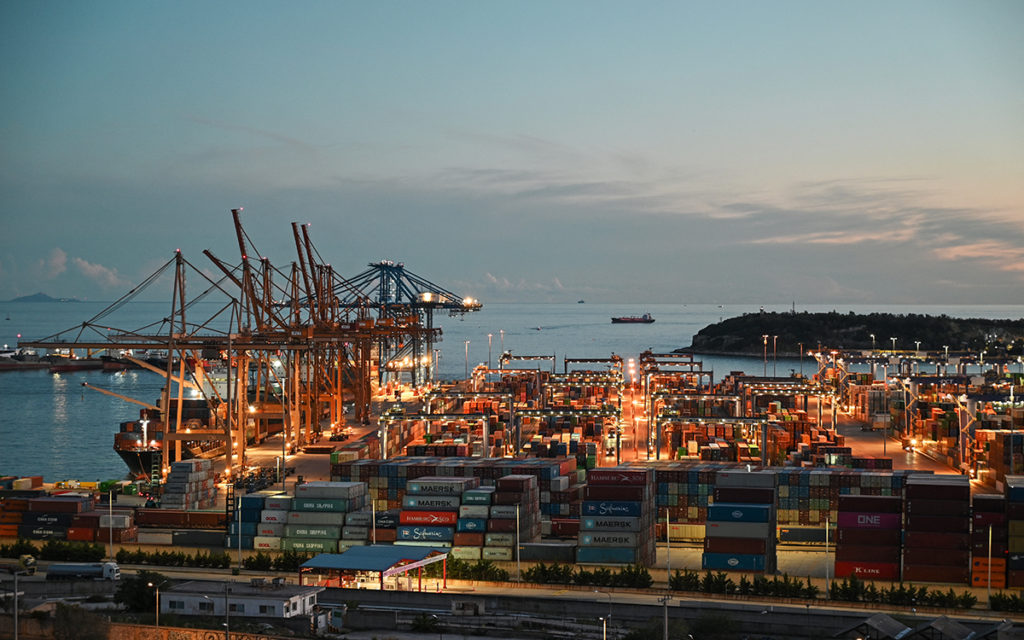
The geostrategic value of the Eastern Mediterranean has long drawn external powers seeking to assert influence, but the current phase marks a departure from past patterns. What was once determined by military posture and alliance structures has evolved into economic levers of influence through control over ports, supply chains, and critical infrastructure.
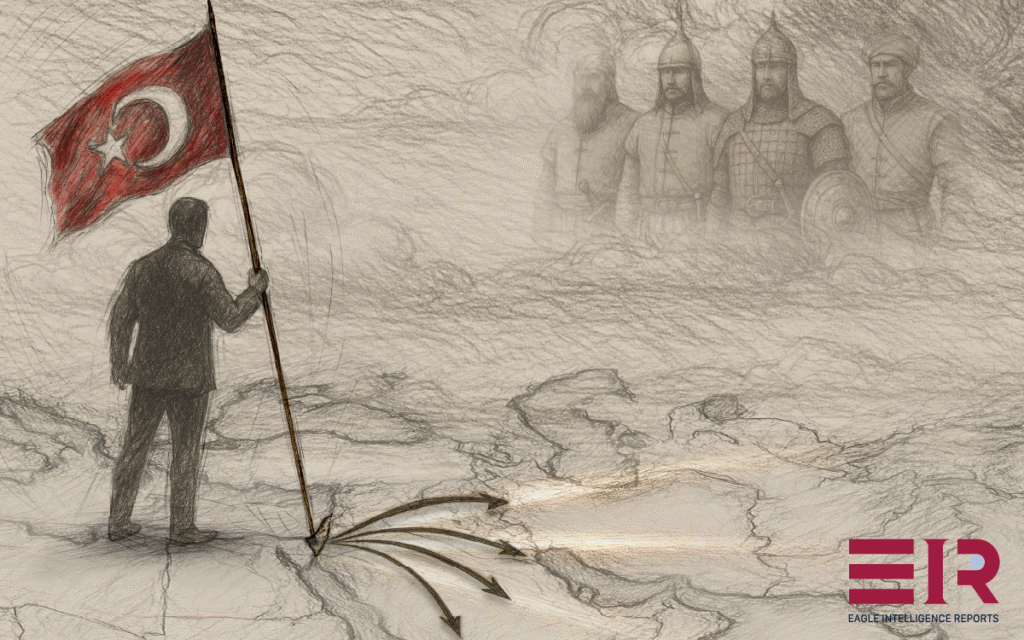
Turkey’s position on the war in Gaza is not merely a matter of foreign policy; it is a declaration of intent. Amid the reconfiguration of global power, Ankara sees in Gaza an opportunity born of instability, not simply to take a side but to redefine its place among them.
Long defined by its division and non-alignment, the Republic of Cyprus is quietly but decisively recalibrating its strategic orientation. Nicosia has begun to assume a more confident, Western-anchored role, upgrading cooperation with the US, investing in EU–NATO coordination, and emerging as a humanitarian and diplomatic hub in times of crisis.