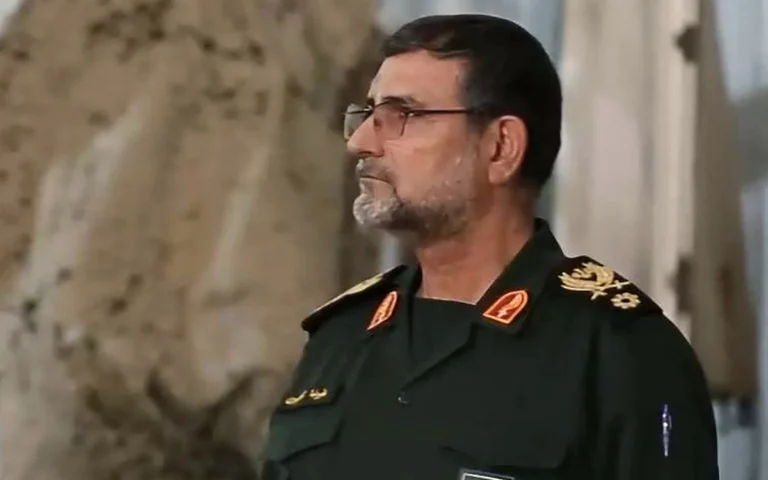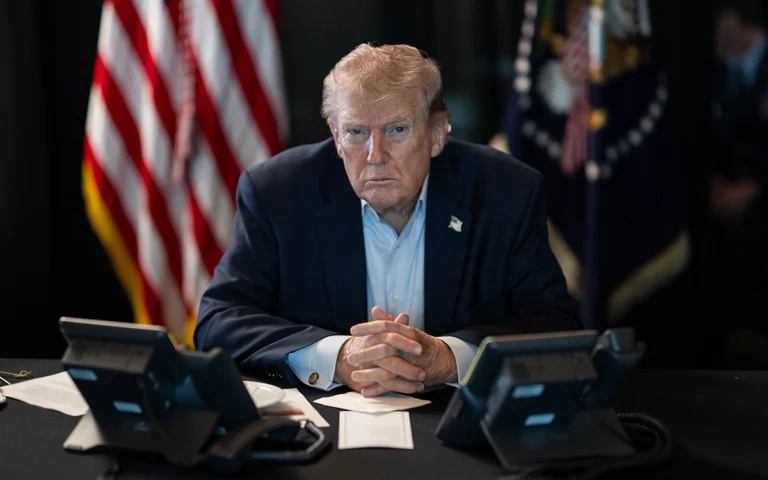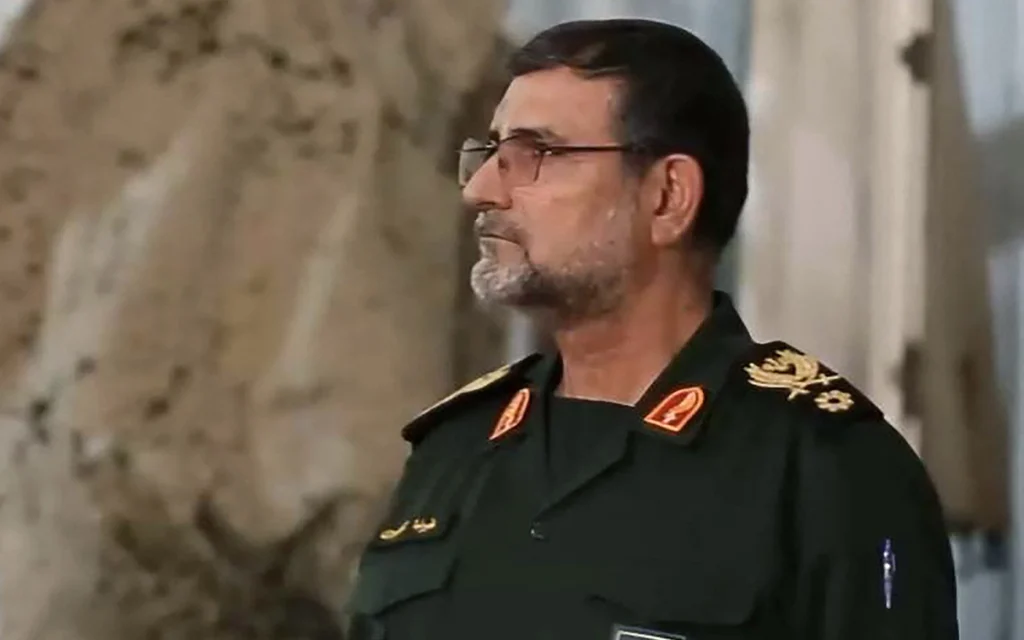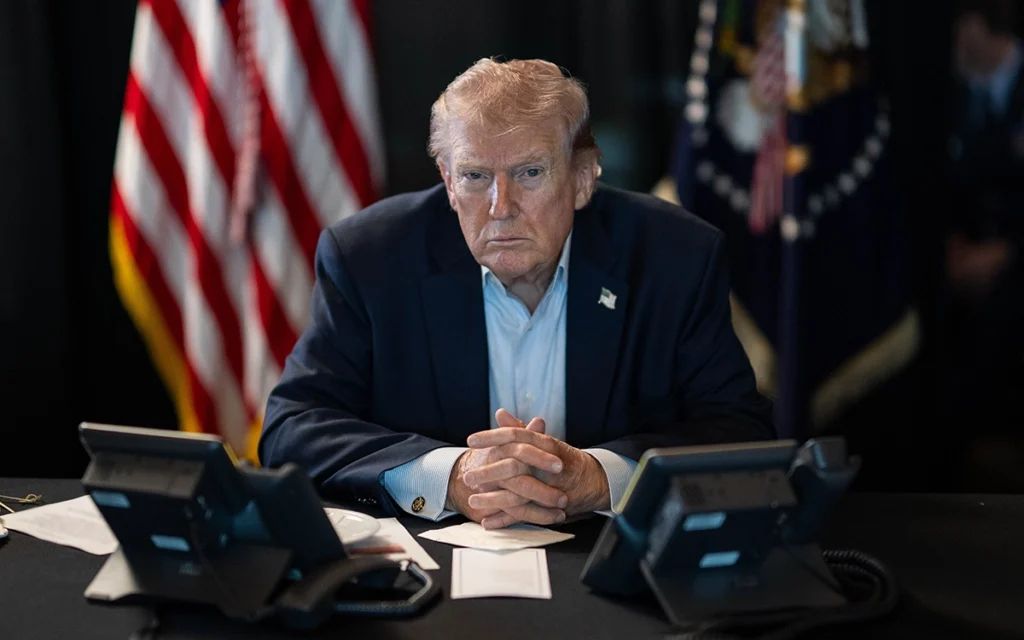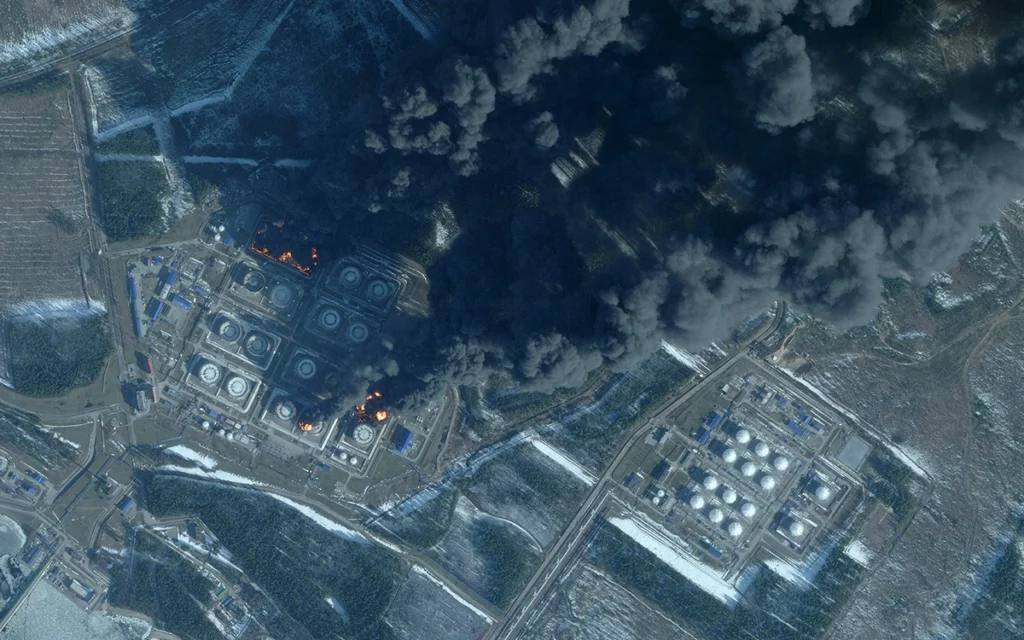


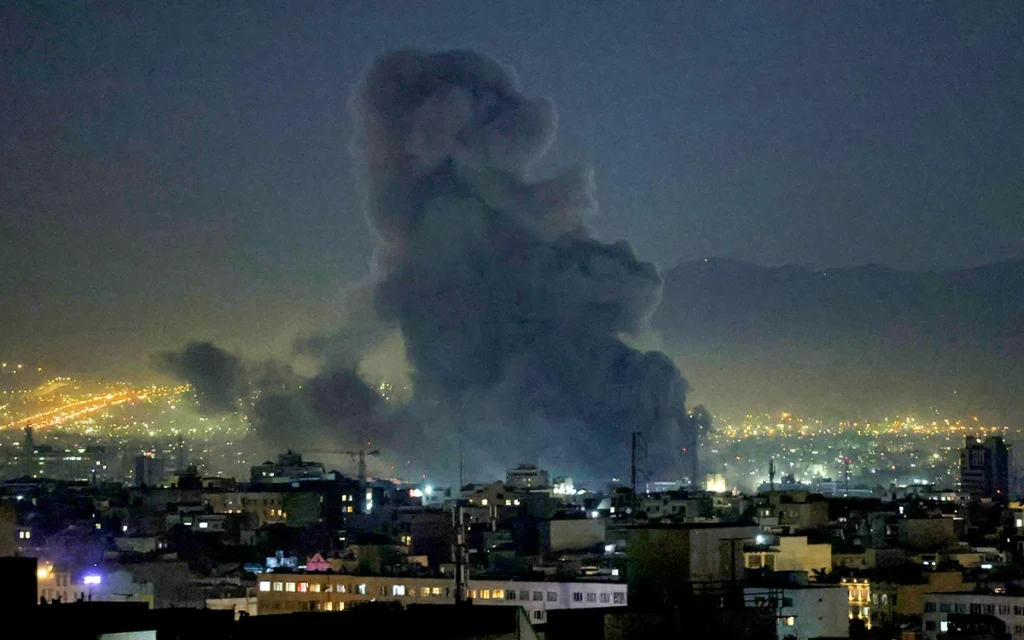
The White House has warned that US President Donald Trump is ready to “unleash hell” if Iran does not accept a peace plan to end the war. Meanwhile, the head of the US Central Command, Admiral Brad Cooper, said that Washington has hit two-thirds of Iran’s production facilities for missiles and drones, and a similar proportion of its naval production.
Israel’s military said Thursday that its forces had carried out a wave of strikes across Iran, including in the central city of Isfahan.
China’s Foreign Minister Wang Yi said a “glimmer of hope” for peace has emerged, suggesting that both Tehran and Washington had shown signals they were willing to return to the negotiating table.
Iran’s parliament speaker Mohammad Bagher Ghalibaf warned about the possible invasion of an Iranian island with the support of an unnamed regional country.
Iranian Foreign Minister Abbas Araghchi denied that Iran was negotiating with the United States, saying, “We do not intend to negotiate. Speaking of negotiations now is an admission of defeat.” He added that the Strait of Hormuz was “closed only to enemies”, and that Tehran wanted to the end the war on its own terms and in a way that ensured no further war.
Several Gulf countries, as well as Jordan, demanded in a joint statement that Iraq act immediately to stop attacks from its territory by armed pro-Iran groups. (AFP)