
Eagle Intelligence Reports
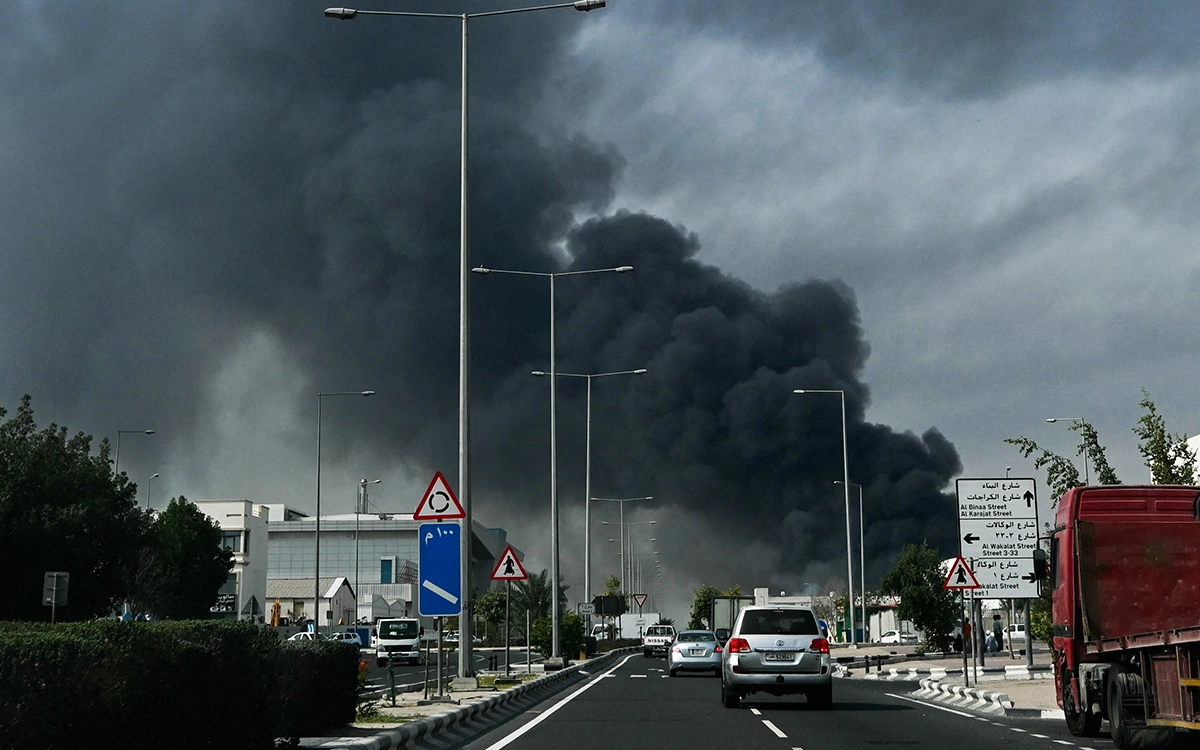
The expanding confrontation between Iran, Israel, and the United States is approaching a point of no return. What began as a contained conflict is rapidly evolving into something far more dangerous: a war whose dynamics threaten to ignite the very foundation of the global economy.
The most alarming shift is not simply the intensity of the fighting, but its focus. Increasingly, strikes target energy infrastructure—gas fields, oil facilities, refineries, and export terminals—across Iran, Israel, and the Gulf countries. This is no longer incidental damage. It is becoming the central objective.
The most alarming shift is not simply the intensity of the fighting, but its focus. Increasingly, strikes target energy infrastructure
In this transformation lies a stark reality: Gulf states are being drawn into a war they did not choose.
From Qatar to the United Arab Emirates, states whose stability depends on peace and uninterrupted energy production now find themselves exposed to missile and drone attacks. Their vulnerability is not the result of reciprocal aggression, but of geography and conflict escalation. Energy has become both weapon and target.
Once that threshold is crossed, wars cease to be regional. They become global.
Consider what comes next if escalation continues. Sustained missile barrages begin to overwhelm defensive systems. Fires break out across multiple oil and gas fields—first in Iran, then across the Gulf. Processing plants are forced offline. Offshore platforms are damaged. Export terminals shut down.
Shipping through the Strait of Hormuz—through which roughly one-fifth of the world’s oil passes—becomes increasingly perilous. Even partial disruption there has historically sent shockwaves through energy markets. A prolonged closure, or sustained attacks on tankers, would have far more severe consequences.
Within weeks, a significant share of global energy supply could be offline.
This is not speculative alarmism. Even limited disruptions in the region have already pushed oil prices above $100 a barrel in recent periods of tension. Economists have long warned that sustained prices above $130 could tip major economies into recession. If multiple Gulf producers are affected simultaneously, prices could surge far beyond that threshold.
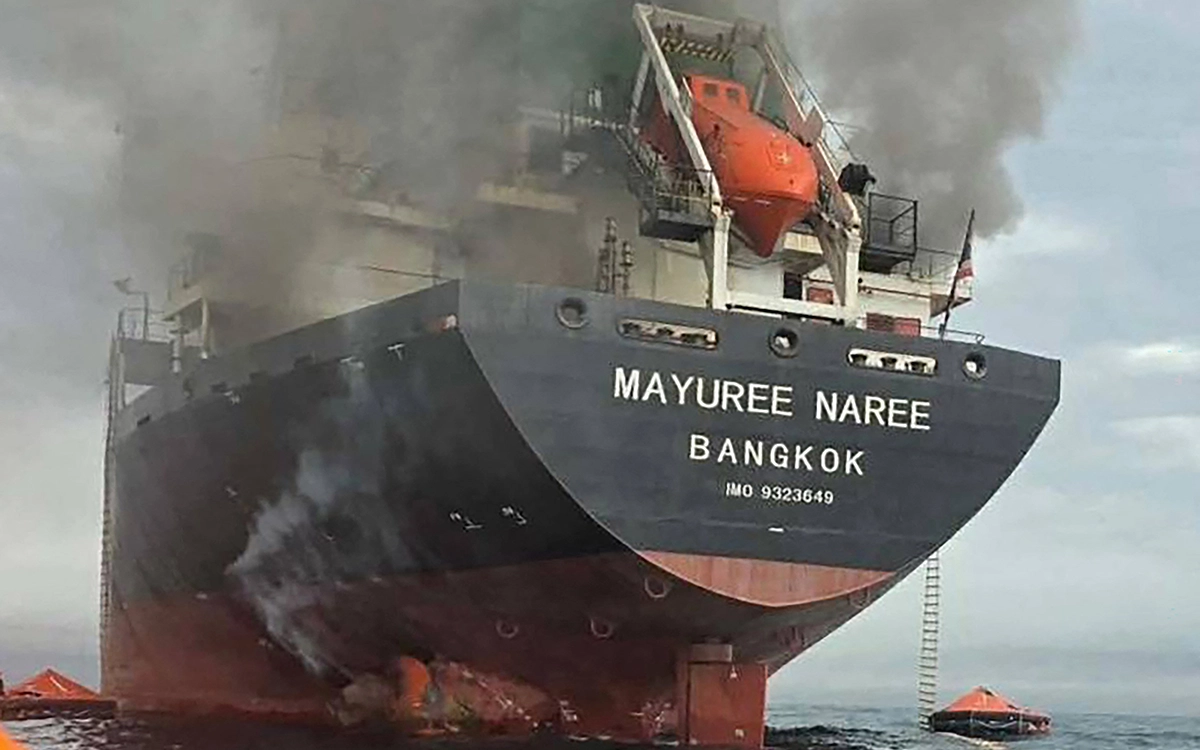
The consequences would cascade rapidly. Energy costs would feed directly into inflation, raising the price of food, transport, and manufacturing worldwide. Import-dependent economies would face immediate fiscal strain. Financial markets would react sharply, and investment would retreat amid uncertainty.
Central banks, already navigating fragile recoveries, would face an impossible choice: contain inflation or prevent recession. Under such conditions, they cannot reliably do both.
This is how a regional war becomes a global economic rupture. At the center of this risk lies a persistent miscalculation: the belief that Iran will eventually yield under pressure and sustained attacks.
At the center of this risk lies a persistent miscalculation: the belief that Iran will eventually yield under pressure and sustained attacks
Iran’s actions suggest otherwise. It appears prepared for a prolonged, asymmetric conflict. It does not need to win conventionally to impose costs. By targeting energy infrastructure and threatening maritime chokepoints, it can extend the conflict outward, forcing the global economy to absorb the consequences.
Missile strikes reaching Israel and Gulf states are not merely tactical operations. They are strategic signals. If Iran’s economy is strangled and its cities bombed, it will not suffer the consequences alone.
This leaves Gulf countries in an untenable position. They are neither primary belligerents nor instigators, yet they face disproportionate exposure. Their infrastructure—and by extension, the global economy—has become a frontline.
Today’s global economy is deeply interconnected but far less resilient than it appears. Years of geopolitical tension, supply chain disruption, and mounting debt have eroded its capacity to absorb shocks. A sustained energy crisis would not be temporary. It could reshape economic trajectories for years.
The oil shocks of the 1970s offer a warning. But today’s level of integration means the impact of a comparable disruption would unfold faster, with broader and more destabilizing effects.
There is still time to change course. But that window is narrowing with each strike on critical infrastructure and each expansion of the conflict’s geographic scope.
Diplomacy is no longer optional. It is urgent. The alternative is a scenario in which the Gulf—the center of the global energy system—is set ablaze.
If that happens, the consequences will not be limited to the Middle East. They will be felt across the globe.