
Eagle Intelligence Reports
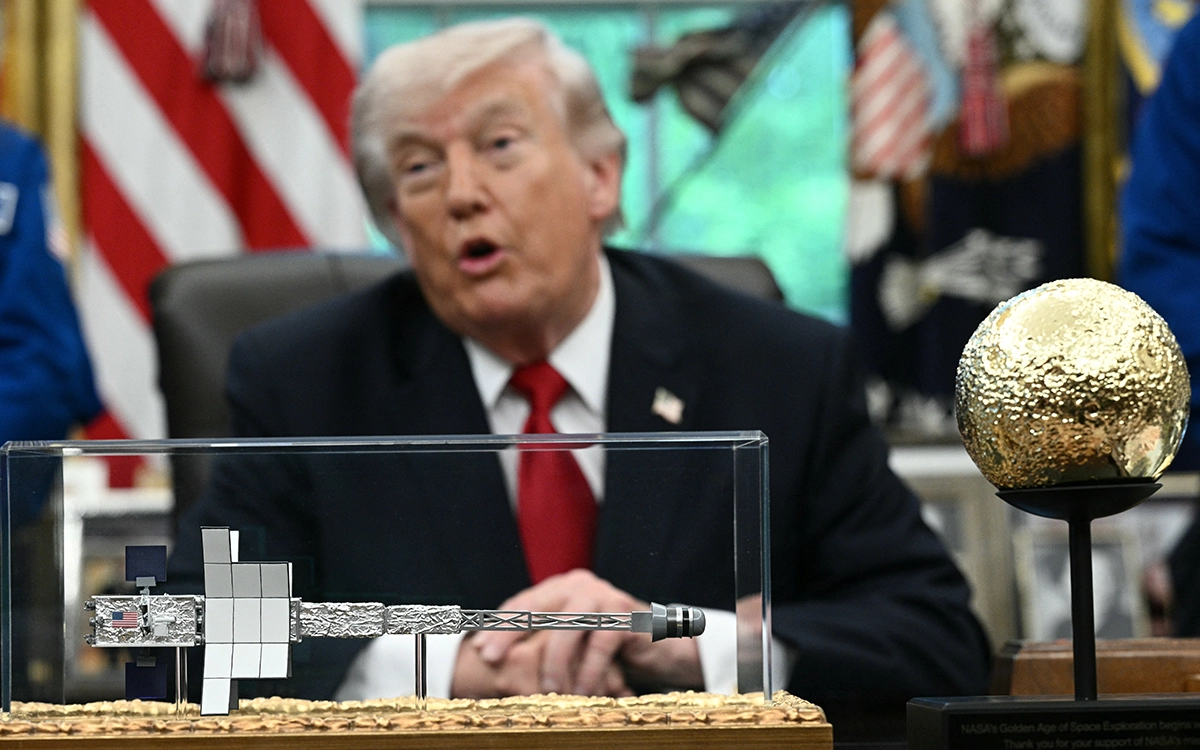
US President Donald Trump urged Iran to expedite a deal to permanently end the war, as diplomatic efforts stall and Washington’s blockade of Iranian ports reflects increasingly severe economic repercussions, most notably soaring oil prices. Brent crude rose to over $124 a barrel on Thursday, its highest level since early 2022.
US Central Command (CENTCOM) said that it had reached a “significant milestone after successfully redirecting the 42nd commercial vessel attempting to violate the blockade”. It said there are “41 tankers with 69 million barrels of oil that the Iranian regime can’t sell”, estimating the value to more than $6 billion.
US Defense Secretary Pete Hegseth was asked during a fiery exchange in Congress about the cost of 60 days of conflict, and replied that it was estimated at less than $25 billion so far.
In a phone call between the two leaders, Putin said Trump’s decision to extend the ceasefire was “the right one”, Kremlin aide Yuri Ushakov told reporters.
But he said there would be “inevitable and extremely damaging consequences” for the region and wider world if military action restarted.
Putin also “highlighted the inevitable and extremely damaging consequences not only for Iran and its neighbors, but also for the entire international community, should the U.S. and Israel resort to military action once again,” Ushakov said.
In Tehran, Iranian military spokesman Amir Akrami Nia said, “We do not consider the war to be over,” emphasizing that Tehran “does not trust America.”
He added, “We have many cards we have not yet played, and new tools and methods of combat based on the experiences of the two previous wars, which will certainly allow us to respond decisively to the enemy” should the fighting resume.
Members of Iran‘s Islamic Revolutionary Guard Corps “have no place” in Canada, Ottawa said Wednesday, after top Iranian officials left the country before a FIFA Congress, citing the conduct of immigration officers.
Amid the ongoing stalemate, the Fars News Agency reported that the latest Iranian proposal, which Islamabad conveyed to the US for consideration, outlined red lines encompassing the nuclear issue and the Strait of Hormuz.
Iran’s parliament speaker Mohammad Bagher Ghalibaf said on Wednesday that the United States’ naval blockade of the country’s ports aimed to create division and “make us collapse from within.”
In Lebanon, Israeli military chief General Eyal Zamir vowed to strike targets of the Iran-backed group north of Lebanon’s Litani River if threatened.
Lebanon’s President Joseph Aoun urged Israel to fully implement a ceasefire before beginning direct talks. (AFP)