
Eagle Intelligence Reports
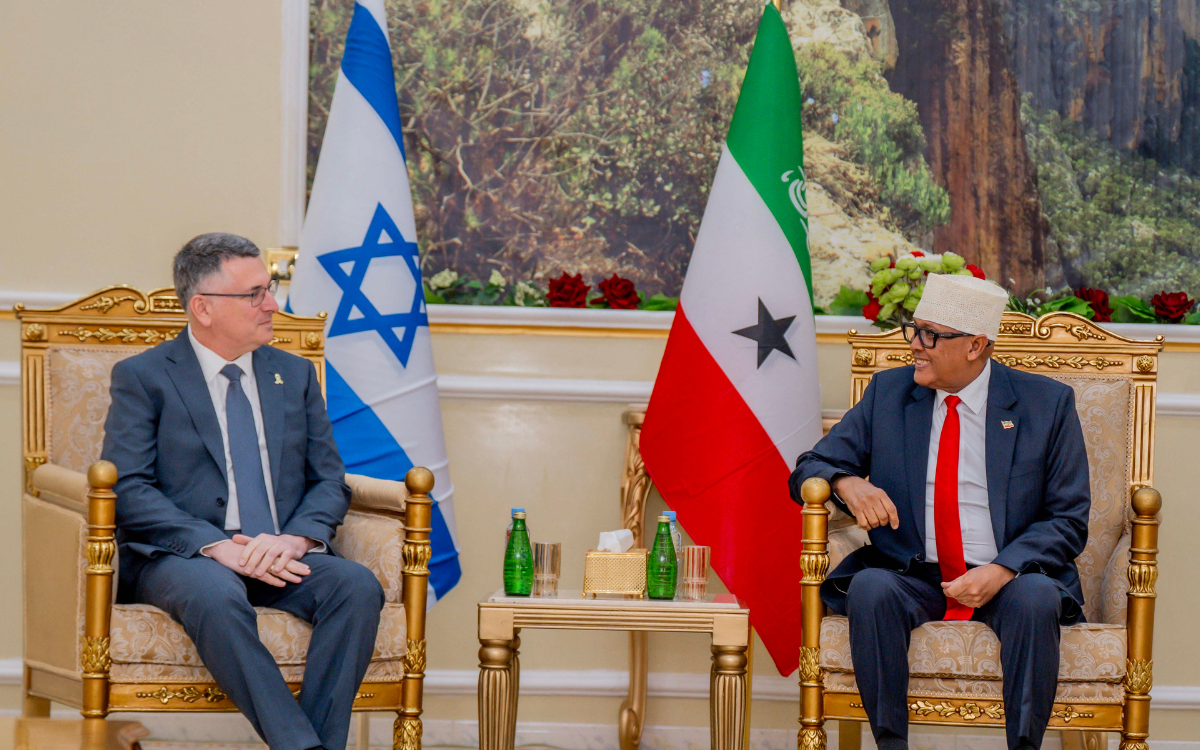
Israel’s recognition of Somaliland constitutes a significant, if carefully calibrated, step in its engagement with the Horn of Africa and the broader Red Sea security environment. While the move does not immediately alter the regional balance of power, it formalizes relations with a relatively stable political entity positioned near one of the world’s most strategically sensitive maritime corridors. In doing so, it introduces new parameters for Israel’s regional access, intelligence posture, and long-term strategic flexibility.
Somaliland’s location along the Gulf of Aden, near the Bab el-Mandeb Strait, grants it strategic relevance disproportionate to its size and international standing. For Israel, whose security concerns increasingly extend beyond its immediate neighborhood to encompass maritime routes, supply chains, and extra-regional threats, the Red Sea has emerged as a critical strategic space. Recognition should therefore be understood less as a diplomatic statement than as a pragmatic adjustment within this evolving security framework.
Israel’s recognition of Somaliland carries immediate and second-order implications for operational access, intelligence and maritime security, and broader regional security dynamics. While recognition is not a strategic game changer, it nonetheless represents an incremental but meaningful step that enhances Israel’s flexibility and positioning in an increasingly contested maritime environment. Key regional actors with interests in Red Sea stability—particularly Egypt and Saudi Arabia—are likely to interpret this development cautiously, assessing its implications for maritime security and regional balance.
While recognition is not a strategic game changer, it nonetheless represents an incremental but meaningful step that enhances Israel’s flexibility and positioning in an increasingly contested maritime environment
Any shift in diplomatic or security posture in Somaliland necessarily intersects with the strategic dynamics of the Red Sea and the Gulf of Aden. Together, they form a single, interconnected strategic space linking the Mediterranean, the Middle East, East Africa, and the Indian Ocean. A substantial share of global trade and energy shipments passes through the Bab el-Mandeb Strait, a longstanding and critical chokepoint vulnerable to disruption by both state and non-state actors. Over the past decade, the corridor has grown more contested.
Regional rivalries, extra-regional naval deployments, the proliferation of non-state armed groups, and the expansion of illicit trafficking networks have elevated the Red Sea’s strategic salience. At the same time, developments in Yemen, Somalia, and the wider Horn of Africa have underscored the fragility of security arrangements along the Red Sea’s southern approaches.
Somaliland declared independence from Somalia in 1991 and has since established relatively stable political institutions while maintaining a degree of internal security rare in the region. In this context, it occupies a geostrategically advantageous position. For Israel, the Horn of Africa has traditionally been peripheral to its immediate regional concerns. Growing awareness of maritime threats, arms smuggling routes, and hostile non-state actors, however, has gradually reshaped Israeli strategic thinking.
As a result, the Red Sea is increasingly viewed not as a distant theater but as an extension of Israel’s security environment, rendering engagement with key actors along its littoral a matter of practical security interest.
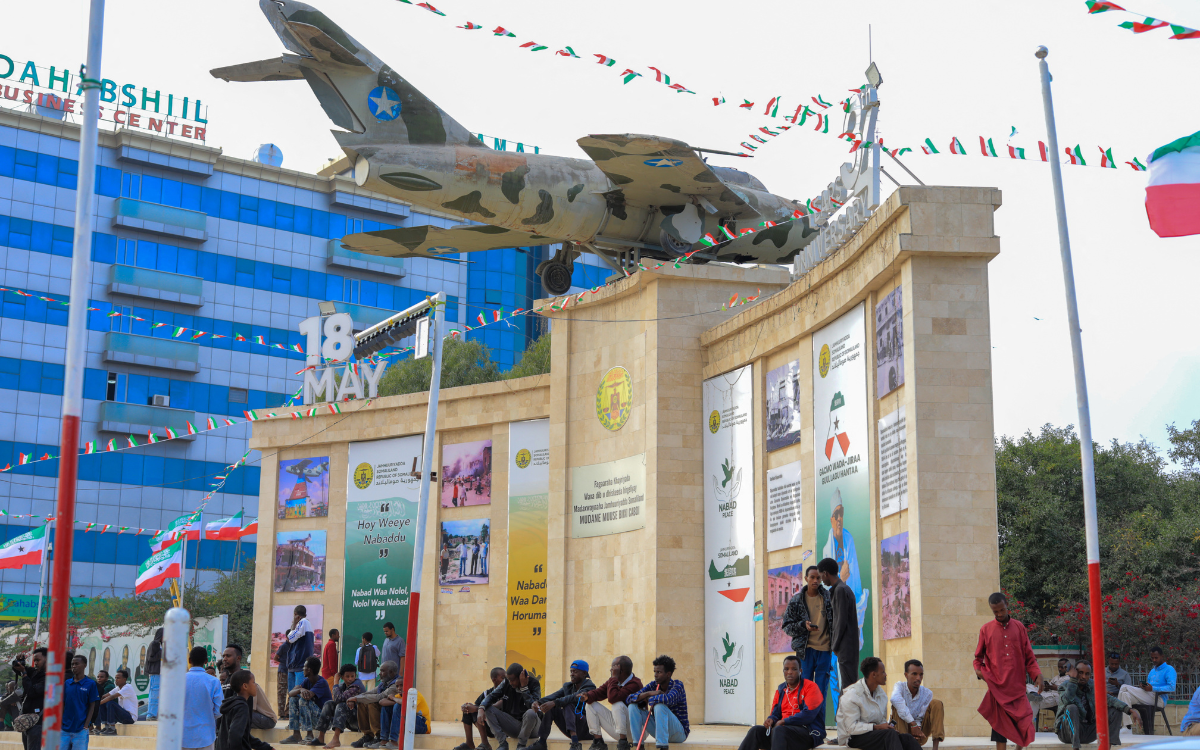
At the most immediate level, Israel’s decision establishes a formal political framework for structured engagement. By reducing ambiguity surrounding contacts and cooperation, diplomatic recognition allows security-related dialogue to take place within an institutionalized setting rather than through ad hoc or informal channels. This formalization facilitates cooperation on maritime safety, information exchange, and situational awareness. Even limited coordination can enhance Israel’s understanding of maritime movements, port activity, and broader security trends along the Gulf of Aden.
In addition to its operational implications, this step carries symbolic weight that should not be underestimated. It signals Israel’s willingness to engage pragmatically with de facto political entities where strategic interests align, reinforcing a broader pattern of flexible, interest-driven diplomacy.
At the second-order level, recognition of Somaliland contributes to a broader recalibration of Israel’s regional posture. By expanding its network of relationships along the African littoral, Israel gains additional strategic depth and redundancy in its Red Sea engagement. This, in turn, increases operational flexibility and diversifies access options in the southern Red Sea theater. By reducing reliance on a limited number of partners or routes, such diversification complicates adversarial planning by introducing additional variables into the regional security equation.
Recognition may also generate indirect deterrent effects. Even limited improvements in coordination and visibility can raise the perceived operational risks for adversarial non-state actors seeking to exploit gaps in maritime governance, particularly along the Gulf of Aden. In parallel, the move signals a willingness to pursue sustained rather than episodic engagement in the security of the maritime corridor. Thus, it may subtly shape how both regional and extra-regional actors assess Israel’s longer-term intentions in the Red Sea basin. However, signaling intent does not equate to immediate changes on the ground.
Signaling intent does not equate to immediate changes on the ground
These second-order dynamics also intersect with how recognition is understood and justified beyond immediate security considerations. From an international legal perspective, Israel’s recognition of Somaliland can be situated within a broader pattern of pragmatic engagement with de facto entities exercising effective territorial control, while remaining bounded by established principles of territorial integrity and the non-recognition of unlawful situations.
International practice has long drawn a distinction between functional engagement and legal endorsement. In contexts such as Taiwan, states have maintained structured interaction for practical purposes related to trade, security coordination, and technical cooperation, while explicitly refraining from conferring legal validation on contested or unresolved questions of status. Such engagement is typically framed as conditional and limited, preserving adherence to core international legal norms.
Seen through this lens, Israel’s decision reflects a risk-management approach grounded in operational realities rather than an acceptance of illegality or a departure from established legal principles. Framed in this way, the move reduces its political exceptionalism, situating it within a continuum of state behavior that prioritizes stability, predictability, and security outcomes without normalizing unlawful territorial situations.
At the practical level, legal and political considerations do not alter the operational constraints shaping Israel’s engagement on the ground. It is therefore essential to distinguish between diplomatic recognition and militarization. Formal recognition does not automatically imply the establishment of military bases, permanent deployments, or overt power projection. Political sensitivities, regional balances, and logistical realities continue to impose clear constraints on Israel’s operational footprint in Somaliland.
That said, this move can enable incremental access options that enhance operational reach without requiring a permanent presence. These may include logistical coordination, port access arrangements, maritime safety cooperation, and limited training or advisory engagements. Such measures align with Israel’s preference for low-visibility, high-impact engagement models in sensitive environments.
Nevertheless, constraints remain significant. Domestic considerations within Somaliland, regional perceptions, and the reactions of neighboring states all shape the boundaries of what is feasible. As a result, any expansion of operational access is likely to be gradual, selective, and carefully calibrated. Within these constraints, the most consequential effects of recognition are likely to emerge not through overt military presence, but through intelligence cooperation and maritime security coordination.
Somaliland’s proximity to major shipping lanes in the Gulf of Aden carries practical concerns related to port access, maritime logistics, and supply chain continuity. While recognition does not signal commercial integration or large-scale economic investment, it can facilitate limited coordination on port services, transit reliability, and logistical contingency planning.
In this sense, recognition reinforces a logic of diversification and redundancy that complements Israel’s emphasis on risk mitigation rather than militarization. Even modest improvements in logistical coordination can contribute to resilience in a contested maritime environment where disruption rather than denial increasingly shapes strategic calculations.
These dynamics are particularly evident in the Gulf of Aden and adjacent waters, where overlapping challenges such as piracy, human trafficking, and jihadist-linked militant activity converge within a constrained maritime space.
In this environment, intelligence cooperation and maritime security coordination acquire particular significance. Formal ties create conditions for improved maritime domain awareness through structured information sharing and coordination. Enhanced awareness, in turn, supports early warning, risk mitigation, and the protection of commercial shipping routes vital to regional and global trade.
Somaliland’s value, in this context, lies less in its capacity to project power and more in its geographic position and local knowledge. It can function as a facilitating node within a broader regional security network, supporting coordination rather than acting as a standalone security provider.
Somaliland can function as a facilitating node within a broader regional security network, supporting coordination rather than acting as a standalone security provider
These dynamics inevitably shape how other key Red Sea stakeholders interpret Israel’s recognition of Somaliland, particularly Egypt and Saudi Arabia, both of which have vital interests in maritime stability along the corridor.
Beyond Israel’s immediate strategic calculations, regional political responses also shape the practical impact of recognition. The reactions of the Somali federal government and the African Union are likely to remain primarily normative rather than operational. Mogadishu possesses limited practical instruments to contest external engagement with Somaliland beyond diplomatic protest and rhetorical opposition, given its own governance and security constraints.
Similarly, while the African Union remains formally committed to principles of territorial integrity, its ability to translate normative positions into tangible political or economic costs for external actors is constrained. In the absence of overt militarization or destabilizing escalation, opposition is therefore likely to remain symbolic. This dynamic helps explain why the political costs associated with recognition are manageable, especially when framed in functional and security-oriented terms.
Egypt’s strategic outlook is shaped by its role as a guardian of the Suez Canal and by a deeply embedded conception of the Red Sea as an extension of its national security perimeter. Within this framework, developments affecting the southern approaches to the Red Sea are closely monitored in Cairo.
Publicly, Israel’s engagement with Somaliland is unlikely to be framed as an overt provocation, particularly in the absence of visible militarization or permanent basing, and given the existence of established security coordination channels between Egypt and Israel.
Beneath this outward restraint, however, Cairo is likely to view Israel’s entry on the African side of the Red Sea with growing strategic unease. Even limited, Israeli access enabling intelligence collection, maritime domain awareness, or monitoring of traffic near Bab el-Mandeb intersects with Egyptian sensitivities regarding strategic depth and control over critical chokepoints linking the Red Sea to the Suez Canal.
From this perspective, Israeli engagement in Somaliland may be perceived as incrementally expanding Israel’s situational awareness and influence in areas traditionally regarded by Egypt as part of its extended security environment.
Egypt’s response is therefore likely to balance pragmatic accommodation with quiet hedging behavior aimed at preserving its centrality in Red Sea security governance and limiting any erosion of its long-term strategic position.
For Saudi Arabia, the Red Sea has assumed growing importance as both a security and economic space, integral to the protection of maritime trade routes, coastal infrastructure, and flagship development projects along its western flank.
Strategically, however, Riyadh is unlikely to interpret the move in purely functional terms. Israel’s presence on the African side of the Red Sea intersects with Saudi Arabia’s long-standing ambition to consolidate influence over the Bab el-Mandeb corridor and shape the security architecture of the wider Red Sea basin.
From this angle, even a limited Israeli footprint enabling intelligence collection, maritime monitoring, or early-warning capabilities is likely to be interpreted as introducing a parallel axis of access and influence in a space Saudi Arabia views as strategically vital.
As a result, Saudi Arabia’s response is likely to reflect concern not over immediate destabilization, but over longer-term implications for primacy, access, and strategic depth in the southern Red Sea.
Saudi Arabia’s response is likely to reflect concern over the long-term implications for primacy, access, and strategic depth in the Red Sea
These regional responses also sit within a wider great-power context. China and Russia are likely to view Israel’s recognition of Somaliland as a secondary but noteworthy development within the broader competitive landscape of the Red Sea and the Horn of Africa. Neither is expected to respond overtly, particularly given their preference for avoiding visible contestation over limited, low-profile engagements.
Instead, both are likely to quietly factor the move into their longer-term assessments of access, influence, and maritime positioning. This restrained posture reflects a broader pattern in which incremental shifts are monitored rather than challenged directly, particularly when they do not immediately threaten existing strategic equities or operational footholds.
Nevertheless, even incremental changes in Israeli engagement in the vicinity are likely to complicate Beijing’s strategic planning. China’s interest in Red Sea maritime security is driven by its substantial share of trans-Suez Canal trade bound for Mediterranean export markets and underpinned by the PLA’s only acknowledged overseas military base in Djibouti, just a few hundred kilometers north of Berbera.
Beyond state-level calculations, Israel’s recognition of Somaliland also carries implications for the broader regional security environment. Non-state actors operating along the Red Sea and the Horn of Africa exploit fragmented governance, limited surveillance, and weak maritime coordination as sources of operational advantage.
This dynamic is exacerbated by the ongoing conflict in Yemen, where Houthi maritime harassment along the Bab el-Mandeb Strait has heightened shared concerns in Israel, Saudi Arabia, and Egypt. Similar pressures are also generated by jihadist networks operating in Somalia and the wider region. To the extent that Israel’s recognition facilitates more consistent information sharing and maritime monitoring, it may incrementally narrow these permissive spaces.
In the short term, such actors are likely to respond primarily at the narrative level, framing the development as evidence of external interference to reinforce mobilization and recruitment narratives. Over the medium term, however, enhanced intelligence cooperation and maritime domain awareness are more likely to impose practical constraints, complicating logistics, cross-border movement, and access to financing.
The resulting impact on non-state security dynamics is therefore best understood as evolutionary rather than immediate. It reflects a gradual shift in the operating environment rather than a direct or decisive disruption of militant networks. These incremental effects provide the backdrop against which short- and medium-term trajectories can be assessed.
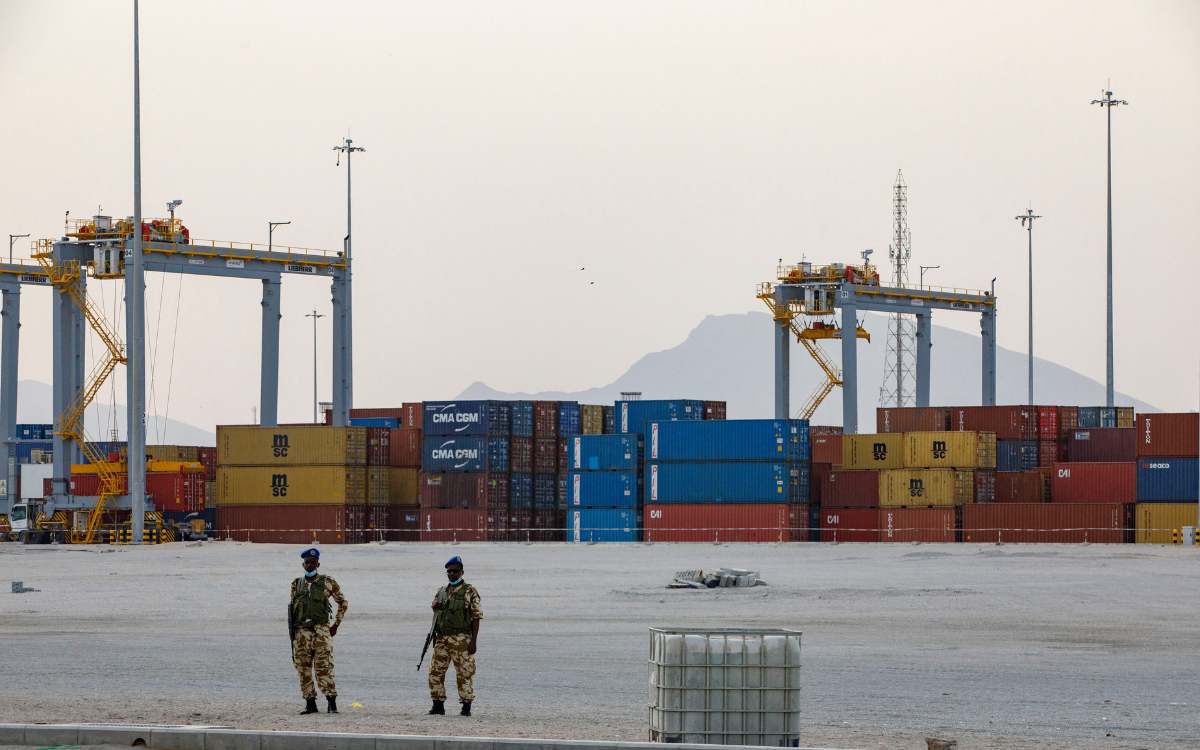
The most plausible trajectory following recognition is one of cautious, incremental engagement focused on security coordination rather than overt strategic transformation. Cooperation is likely to remain low-profile and functionally oriented, consistent with both political sensitivities and operational constraints.
The most plausible trajectory following recognition is one of cautious, incremental engagement focused on security coordination rather than overt strategic transformation
Indicators of deepening engagement would include the establishment of regular coordination mechanisms, expanded information-sharing arrangements, and increased visibility of joint maritime or maritime-adjacent initiatives. Conversely, limited institutional follow-through or heightened regional sensitivities could constrain practical outcomes and limit the depth of cooperation.
Monitoring these indicators will therefore be essential for assessing whether recognition evolves into a more substantive strategic relationship or remains largely symbolic, with effects confined primarily to signaling rather than sustained operational impact.
Israel’s recognition of Somaliland is best understood as a measured recalibration within the Red Sea and Horn of Africa security environment. While the move does not alter underlying regional power balances, it incrementally expands Israel’s strategic flexibility, situational awareness, and scope for engagement in a maritime theater of increasing geopolitical importance. By formalizing relations with a relatively stable actor located along a critical maritime corridor, Israel enhances its ability to navigate a more complex and contested security space without committing to overt militarization.
That said, the longer-term significance of this development will depend on how effectively recognition is integrated into Israel’s broader Red Sea engagement strategy. It will also rely on how key regional actors like Egypt and Saudi Arabia continue to interpret and accommodate Israel’s evolving posture over time.