
Eagle Intelligence Reports
Exclusive
Spanish Foreign Minister José Manuel Albares arranged a secret meeting in Barcelona that brought together high-level Iranian officials with a Saudi delegation to discuss limited security arrangements between Riyadh and Tehran. According to a diplomatic source familiar with the meeting who spoke to Eagle Intelligence Reports, the talks focused on ensuring the passage of Saudi oil through the Strait of Hormuz and preventing attacks on energy facilities in the Kingdom.
The source said the meeting was held in the presence of an adviser to the President of the Government of Catalonia, Salvador Illa, and officials from the Saudi and Iranian sides. The meeting was arranged through an undeclared channel and is aimed at testing direct understandings between the two countries away from public tracks and American pressure.
According to the source, the meeting focused on ensuring the transit of Saudi oil through the Strait of Hormuz, where Iranian officials agreed to this request in exchange for allowing the movement of specific Iranian companies and individuals in the region without exposing them to harm or obstructing their activities.
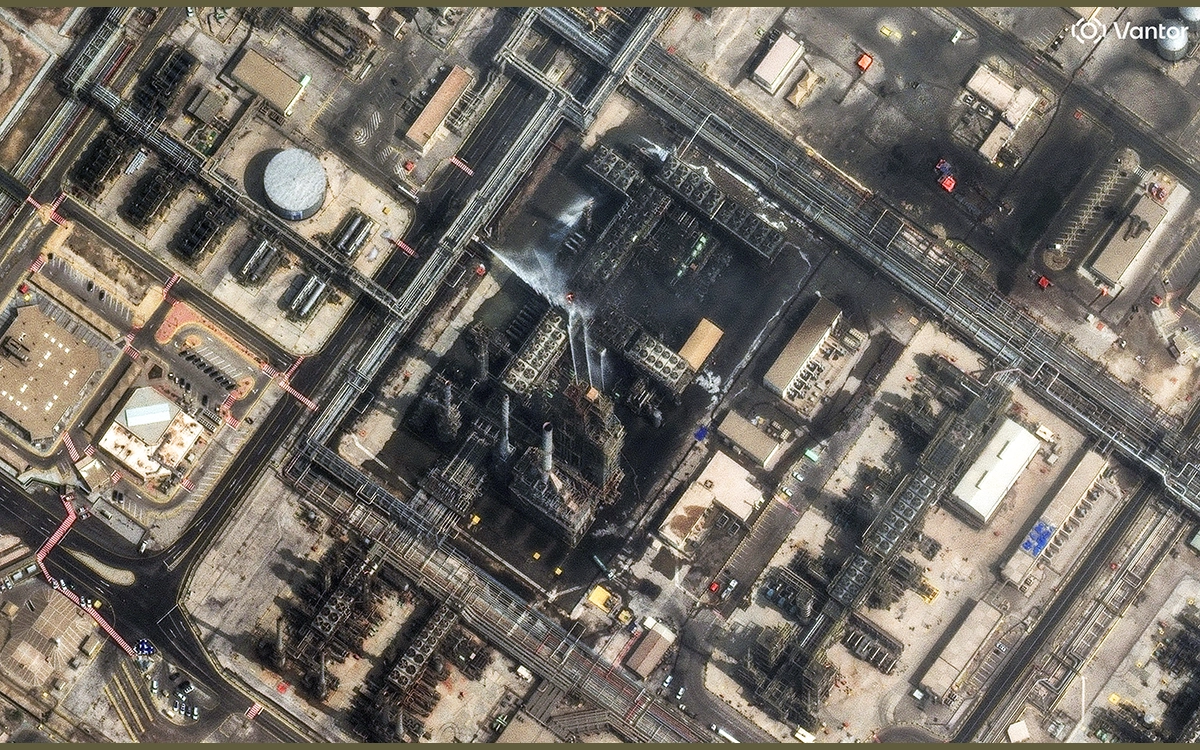
The source said the Saudi delegation also raised the issue of reducing Iranian attacks against the Kingdom or stopping them outright, particularly those that could target oil infrastructure. The talks also aimed to prevent the confrontation between Washington and Tehran from turning into a direct Saudi–Iranian confrontation, or into retaliatory strikes in the Gulf.
The source did not clarify whether the understandings discussed in Barcelona had taken written form, and Spain, Saudi Arabia, or Iran have not officially announced the meeting.
The meeting came amid faltering negotiations between Washington and Tehran and growing prospects of the resumption of military strikes against Iran. Yesterday, President Donald Trump announced that he had postponed an attack on Iran that had been scheduled for Tuesday after a joint request from the leaders of Qatar, Saudi Arabia, and the UAE to make room for negotiations and diplomatic efforts.
Saudi Arabia and Qatar are pushing to pressure the U.S. administration not to resume the war on Iran at the present time, fearing that Tehran could respond by targeting Gulf states, energy facilities, bases, or maritime routes. Doha, which has maintained mediation roles on several regional issues, believes that keeping negotiation channels open could reduce the chances of the confrontation expanding, which Riyadh currently supports.
But this approach is not a fully unified Gulf effort. While Riyadh and Doha focus on de-escalation and opening a direct negotiating channel with Tehran, Abu Dhabi remains reserved about any specific understandings without a fundamental treatment of Iranian threats, especially since the UAE has borne the greatest burden of the Iranian strikes.
Nevertheless, the UAE’s participation in the request to postpone the resumption of American strikes against Iran, in order to avoid direct reactions against the region, indicates a change in the Emirati position.
Media reports had previously stated that Abu Dhabi carried out secret military strikes against Iranian targets in early April, including an attack on an oil refinery on Lavan Island. Emirati authorities denied those claims amid increasing Iranian threats to carry out strong strikes against the UAE, especially after the office of Israeli Prime Minister Benjamin Netanyahu announced a secret visit to Abu Dhabi during the war with Iran.
The source told Eagle Intelligence Reports that the participants in the Barcelona meeting agreed not to disclose the details of the talks at the present time, and to keep the communication channel open if the risk of escalation continues. The source added that the meeting was not intended to launch a declared political track between Saudi Arabia and Iran, but rather to test practical security arrangements that reduce the chances of confrontation in the Gulf should diplomatic efforts between Washington and Tehran fail.