
Eagle Intelligence Reports
Exclusive
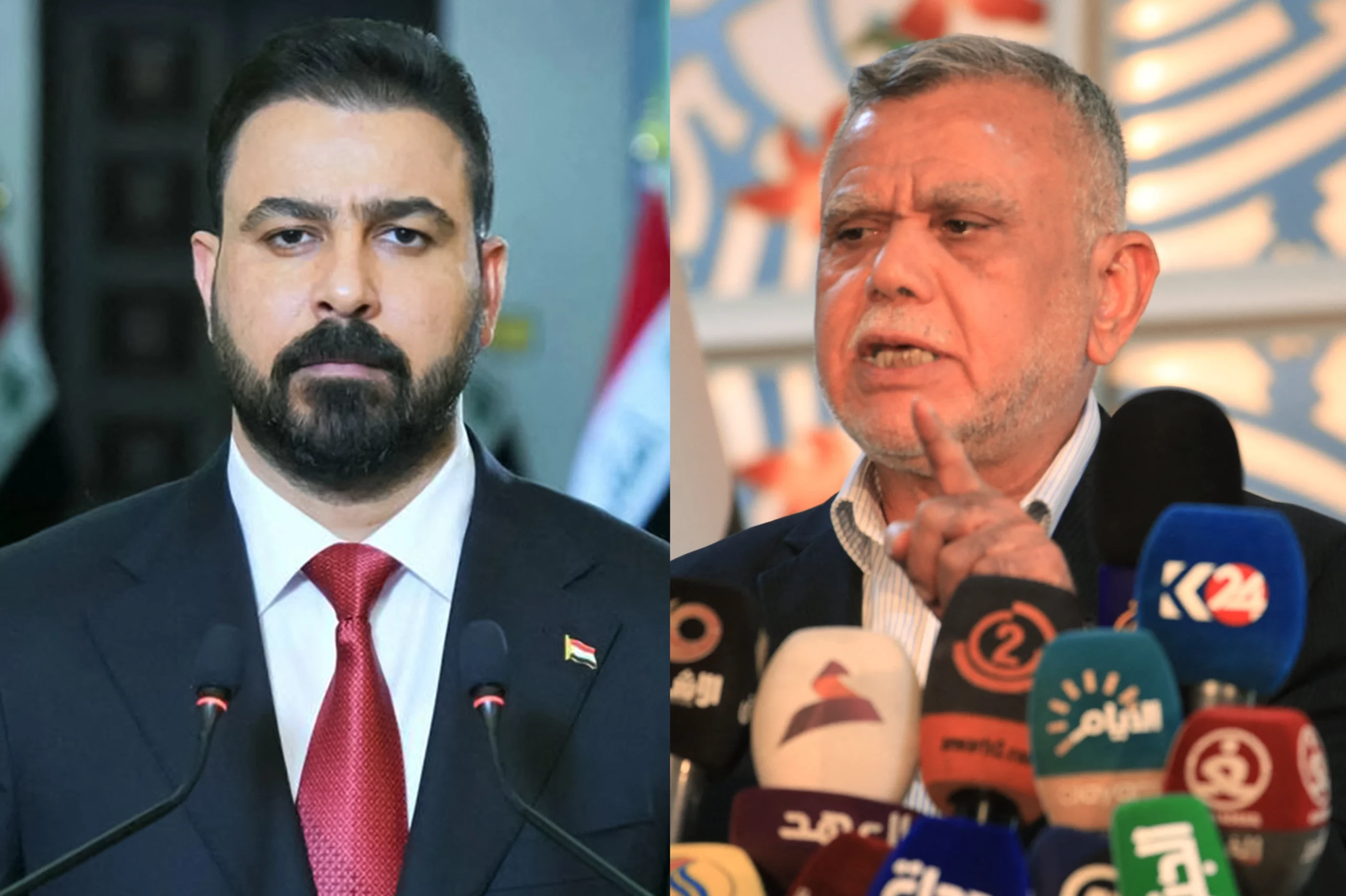
The United States is considering placing Hadi al-Amiri, secretary-general of Iraq’s Badr Organization, on its sanctions list this week, according to a U.S. source familiar with the deliberations. The move would be aimed at intensifying pressure on the government of Prime Minister Ali al-Zaidi after it secured parliamentary approval for only 14 cabinet portfolios.
The source said discussions inside relevant U.S. policy circles are focused on using sanctions as a political and security tool to prevent armed factions from expanding their influence within the state, particularly as the most important and sensitive portfolios remain unresolved. These include security and sovereign ministries that would give their officeholders direct sway over executive agencies and the country’s security file.
The unfilled posts in Iraq’s new government represent the most sensitive part of the cabinet, as they include positions capable of shaping security policy, defining the relationship between the state and armed factions, and setting the limits of influence enjoyed by forces close to Iran inside official institutions.
Any decision targeting Amiri would carry a broader political message to Baghdad, the U.S. source said: Washington “will not deal with the new government separately from its position on the armed factions.”
Any decision targeting Amiri would carry a broader political message to Baghdad: Washington “will not deal with the new government separately from its position on the armed factions.”
But imposing sanctions on a figure of Amiri’s stature could carry significant domestic political risks. Such a step could push forces within the Coordination Framework to harden their stance toward Zaidi or obstruct the completion of his cabinet, particularly if the move is interpreted as direct U.S. interference in Baghdad’s balance of power.
The Badr Organization, led by Amiri, holds 18 seats in Iraq’s parliament, making it one of the influential Shiite forces inside the Coordination Framework and in negotiations over the distribution of government posts. The group has already secured the transport and water resources ministries among the 14 portfolios approved by parliament, after withdrawing from the contest for the Interior Ministry, one of the most sensitive and consequential posts in Iraq’s security balance.
Badr is among Iraq’s oldest Iran-linked political forces. It was founded during the Iran-Iraq war as the armed wing of Iraqi opposition figures who operated alongside Iran’s Islamic Revolutionary Guard Corps. After 2003, it evolved into a prominent political and security player inside Iraq. Amiri, a former transport minister and one of the most prominent leaders of the Coordination Framework, remains the organization’s most influential figure. In Washington and several Arab capitals, he is viewed as one of Tehran’s most important allies within Iraq’s political system.
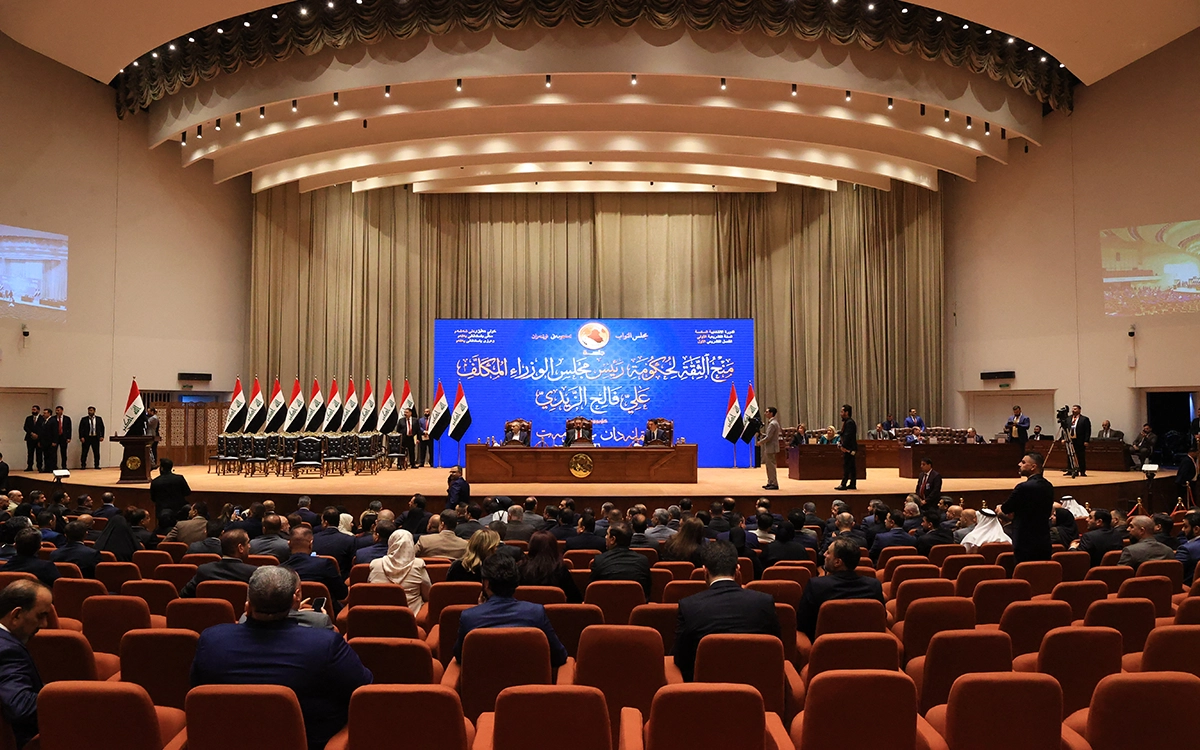
According to an Iraqi source familiar with the matter, Zaidi plans to visit Iran to discuss efforts to bring the weapons of armed factions under state control, amid divisions inside the Coordination Framework over how to handle the issue. The debate has intensified as the crisis moves beyond the initial passage of the government and into the more difficult phase of completing the remaining cabinet posts and defining the factions’ reach inside security and executive institutions.
The source said the visit, if it takes place, would aim to test the limits of Iranian acceptance of a gradual Iraqi plan to regulate weapons without pushing the factions into a direct confrontation with the new government.
Zaidi’s visit to Iran would aim to test the limits of Iranian acceptance of a gradual Iraqi plan to regulate weapons without pushing the factions into a direct confrontation with the new government
At the same time, Iraqi Foreign Minister Fuad Hussein is preparing to visit several Gulf states in an effort to ease regional tensions and reassure Gulf capitals that the new government will seek to prevent Iraqi territory from being used as a launchpad for threats against neighboring countries, according to a second Iraqi source.
The overlap between U.S. deliberations, Zaidi’s expected outreach to Tehran and Baghdad’s plan to send its foreign minister to the Gulf underscores the scale of the challenge facing Iraq’s new government: convincing Washington it can rein in the factions, reassuring Iran that it does not intend to dismantle its influence altogether, and containing Gulf concerns that Iraq could once again become an open arena for regional confrontation.