
Eagle Intelligence Reports
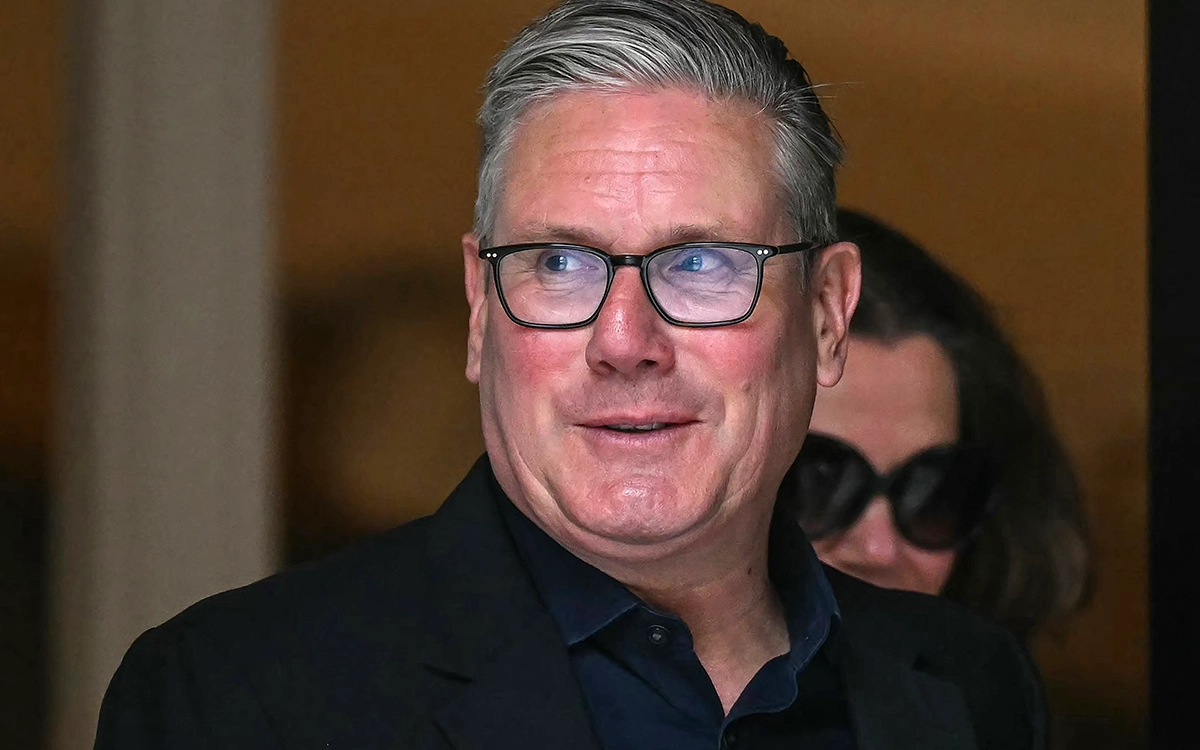
British Prime Minister Keir Starmer refused to resign on Tuesday, despite growing calls within the ruling Labour Party and from some ministers to step down, following the disastrous results of the local elections.
The results showed a strong gain for the right-wing Reform Party, led by Nigel Farage, at the expense of the ruling Labour Party, which suffered significant losses, resulting in the end of the century-long dominance of the traditional two-party system (Labour and Conservatives).
During a cabinet meeting Tuesday, Starmer said, “The country expects us to get on with governing. That is what I am doing and what we must do as a cabinet.” He added, “As I said yesterday, I take responsibility for these election results, and I take responsibility for delivering the change we promised. The past 48 hours have been destabilizing for government, and that has a real economic cost for our country and for families.”
He clarified, “The Labour Party has a process for challenging a leader and that has not been triggered.” In this context, the responses from Labour MPs were swift, with more than 80 MPs calling for Starmer‘s resignation, coinciding with the resignations of ministers and aides from the government.
Communities Minister Miatta Fahnbulleh tendered her resignation through a letter addressed to Starmer on X, saying, “I urge you to do the right thing for the country and the Party and set a timetable for an orderly transition so that a new team can deliver the change we promised the country.”
Labour MP and former minister Catherine West, who represents Hornsey and Friern Barnet, is also leading a move within the party to demand a timetable for his resignation. On X, she wrote, “Keir has demonstrated significant leadership on the world stage and may even continue in an international role in the future but for now I know I speak for more Labour people than just myself in wanting him to step aside as our Leader.”
She added, “I am hereby giving notice to No10 that I am collecting names of Labour MPs to call on the Prime Minister to set a timetable for the election of a new leader in September.”
A source within the British parliament, an insider who has worked within the party apparatus for multiple MPs for many year, said there are widespread discussions behind closed doors about ousting Starmer in favor of a less conventional and more populist-style politician. Within those discussions, he said, Andy Burnham is rumored to be organizing a leadership challenge. Burnham, the mayor of Greater Manchester, has a left-populist edge and a more flexible, working-class-oriented agenda. The source said a central consideration is that Burnham would likely carry the North, shoring up recent Labour losses there.
Conversely, some members of the Starmer government reject these calls. Secretary of State for Housing, Communities and Local Government Steve Reed on X said, “This instability has consequences for people’s lives. The people who will be hurt most will be those that elected us less than two years ago. We must unite behind the Prime Minister.”
Labour MP for Nottingham East Nadia Whittome on X said, “Now is the time for the Prime Minister to accept that he can’t lead us into the next election. He needs to set out a timetable for his departure, so we can take a different political direction and deliver the change people voted for in 2024.”
She added, “This is not a situation any Labour MP wanted to be in, but burying our heads in the sand would hand the keys to No. 10 to Nigel Farage. That would be unforgivable.”
Home Secretary, MP for Birmingham Ladywood, Shabana Mahmood portrayed the party’s loss as a “devastating in Birmingham and across the country,” adding, “Good public servants, colleagues and friends have lost their seats. This was a verdict on us not them.”
These developments come a day before the King’s Speech, which is scheduled Wednesday to formally open the new parliamentary session and will outline the government’s legislative program to address weak economic growth and the challenges following the election.
Observers believe that the number of MPs calling for Starmer’s resignation could be enough to trigger a leadership challenge if they unite behind a single candidate, potentially opening the door to an internal party confrontation at a sensitive political juncture.
Starmer entered Downing Street just two years ago, following a landslide victory in the 2024 general election. While the British constitution does not contain a direct legal provision for ousting the prime minister, this can be done through political mechanisms, most notably: a vote of no confidence in the House of Commons, a leadership challenge within the ruling party, or voluntary resignation—the latter being the scenario currently being considered under the pressure of mounting electoral losses. (EIR)