
Eagle Intelligence Reports
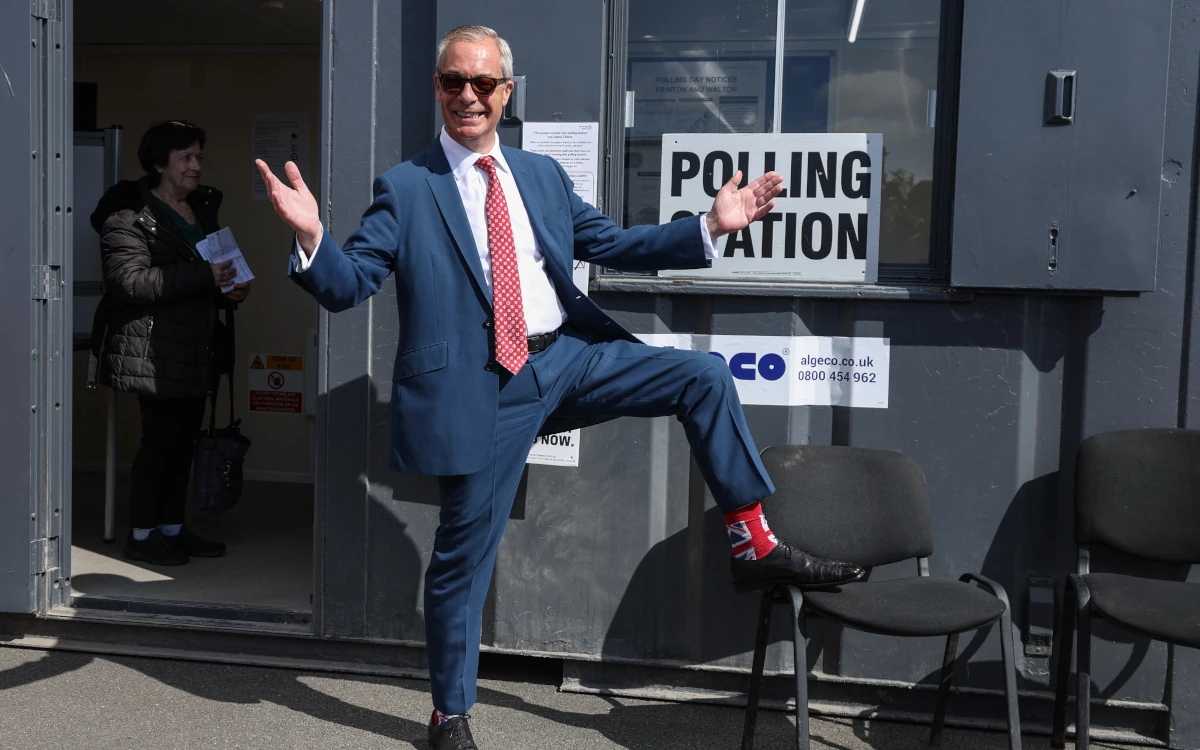
The UK’s local election results have triggered a state of panic inside the Labour Party, according to a source within the British Parliament who did not wish to be named. The source, an insider who has worked within the party apparatus for multiple MPs for many years, told Eagle Intelligence Reports that behind closed doors, discussion is widening over whether Keir Starmer remains the right figure to lead the party after a bruising electoral setback.
The source said there are widespread discussions behind closed doors about ousting Starmer in favor of a less conventional and more populist-style politician. Within those discussions, he said, Andy Burnham is rumored to be organizing a leadership challenge. Burnham, the mayor of Greater Manchester, has a left-populist edge and a more flexible, working-class-oriented agenda. The source said a central consideration is that Burnham would likely carry the North, shoring up recent Labour losses there.
The source said there are widespread discussions behind closed doors about ousting Starmer in favor of a less conventional and more populist-style politician
This is where the political stakes become sharper. Burnham canceled a post-election speech engagement after the initial results came in. He will reportedly return to Westminster and may compete for a seat as an MP—a requirement within Labour for a leadership challenge. Labour MP Clive Lewis has previously said he would step down to open his seat for Burnham.
Speculation around leadership challenges is not new, especially in a party apparatus as old and structurally porous as Labour. But there is a difference between public speculation about Burnham’s future and internal discussions after the local elections. That distinction matters. If those discussions are widening, Labour’s local election problems are no longer just an electoral setback. They are becoming a leadership question.
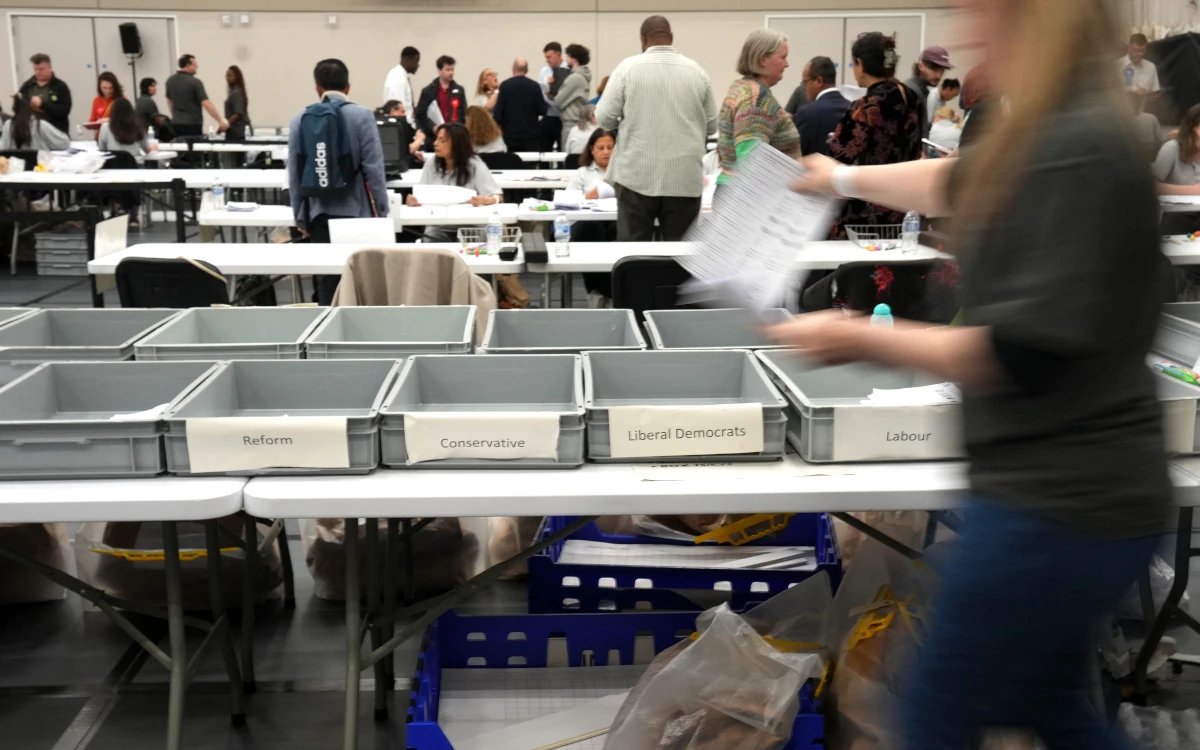
The source said that despite renewed criticism of the Reform and Green leaders, both parties continue to surge, defying coverage and conventional understanding. Recent controversies within both parties did not materially affect the vote outcome. Reform UK’s Nigel Farage has downplayed his £5 million gift from a billionaire backer, and the Green Party’s Zack Polanski faces scrutiny over questionable council tax practices and claims that he presented himself as a Red Cross spokesperson. But, according to the source, these potential scandals have not gained traction among a broader public.
For Labour, the political danger is clear: scandals that might once have damaged insurgent parties now appear unable to slow their momentum. The local elections suggest that anti-establishment energy is becoming harder for traditional parties to contain, even when rival leaders face damaging scrutiny.
The source also warned that if the results are replicated at a national level, England could end up with a higher number of political parties, closer to a European-style political landscape, but with a voting system—first past the post—that is not designed for it. Because of this, he said, Britain could see significant disproportionality between national vote share and parliamentary representation.
England could end up with a higher number of political parties, closer to a European-style political landscape, but with a voting system—first past the post—that is not designed for it
But the wider implication is structural. Britain may be moving toward a more fragmented politics without the electoral mechanisms normally used to manage such fragmentation. Under first past the post, a party’s national vote share may translate poorly into seats, while geographically concentrated support could produce outsized parliamentary influence.
The source further indicated that the election results mean that hundreds of new local politicians will enter local governments. Most, he said, will have been only very lightly vetted, and some could be completely contrary to the normal decorum of such posts. He added that this may mean chaos at a local level as unknown political leaders get their hands on power.
The local elections may therefore represent more than a poor cycle for Labour. They point to three overlapping pressures: insurgent parties are defying scandal and continuing to surge; the UK’s party system is fragmenting under an electoral model not designed for fragmentation; and Labour is facing renewed internal doubts about whether Starmer can hold together the coalition needed to win nationally.
The issue is not simply whether Labour has lost ground. It is that the results appear to have intensified a larger question about political identity, leadership, and whether the party needs a different kind of figure to confront a more volatile electorate. In that context, Burnham’s name is not just another rumor. It is becoming a symbol of the problems plaguing Labour. The question now is whether Starmer can survive the political realignment taking shape around him.