
Eagle Intelligence Reports
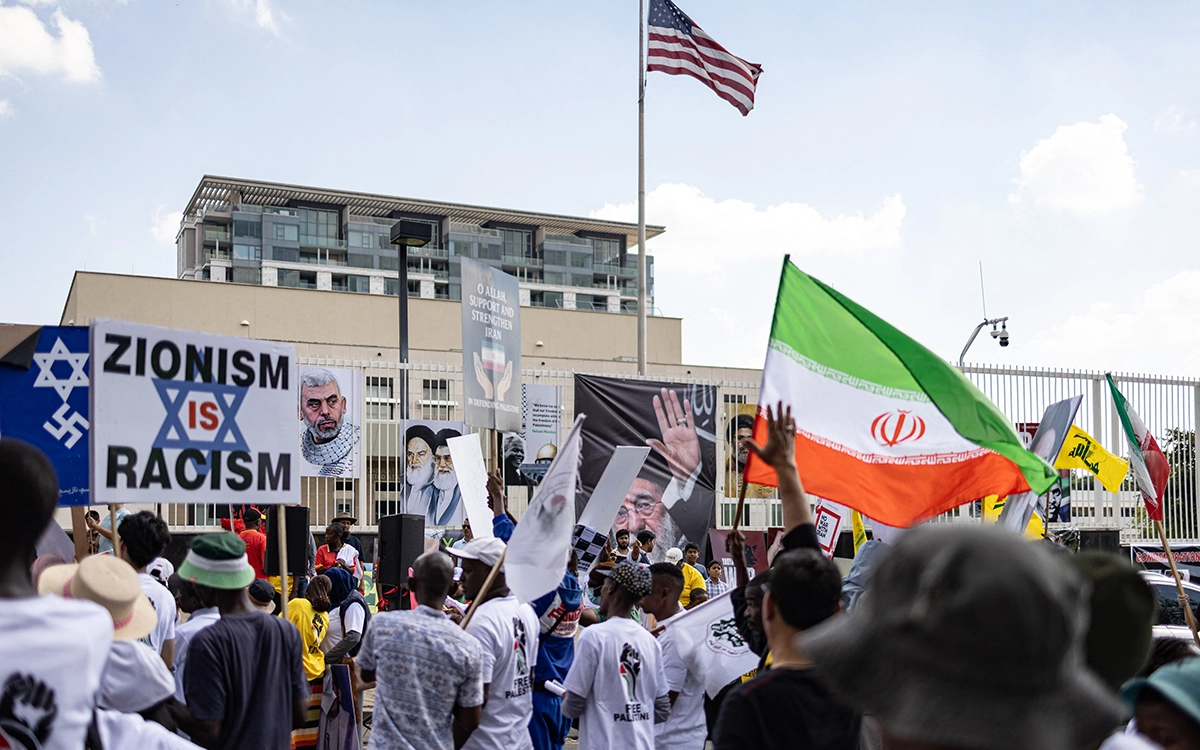
The ongoing war between the United States, Israel, and Iran is rapidly reshaping geopolitical calculations far beyond the Middle East. Across Africa, governments are navigating a delicate diplomatic environment, balancing strategic partnerships, domestic political sensitivities, and economic vulnerabilities while preserving their longstanding preference for strategic nonalignment.
The conflict escalated sharply as joint U.S.–Israeli strikes on Iran triggered retaliatory missile and drone attacks across the Gulf region, widening the war’s geographic and political scope and risking a broader regional conflict.
For African governments, the unfolding crisis has become a test of diplomatic positioning in an increasingly multipolar world. While most states have called for restraint and dialogue, African responses reveal subtle shifts in alignment shaped by historical ties, economic interests, and evolving global power dynamics. Together, they reflect a cautious and carefully calibrated African response to the expanding crisis.
For African governments, the unfolding Iran war crisis has become a test of diplomatic positioning in an increasingly multipolar world
The dominant feature in Africa’s response has been diplomatic caution. Many governments have avoided explicit alignment with either Iran or the U.S.–Israel coalition, instead emphasizing mediation and diplomatic resolution through international institutions. The African Union has warned that the conflict could have serious implications for the continent and has called for immediate de-escalation and dialogue. The organization stressed that instability in the Middle East could disrupt global energy markets, food supply chains, and economic stability—effects that would disproportionately affect developing economies.

South Africa, one of the continent’s most vocal diplomatic actors, has urged all parties to pursue peace negotiations under United Nations leadership. Pretoria has framed the crisis primarily as a matter of international law and global stability rather than geopolitical rivalry. This cautious approach reflects a broader African diplomatic strategy in an era increasingly defined by great-power competition. Many governments maintain security or economic partnerships with the United States while also cultivating ties with countries such as Iran, Russia, and China.
Yet this balancing strategy also highlights the continent’s limited ability to shape global diplomatic outcomes. Speaking to Eagle Intelligence Reports, Auwal Musa Rafsanjani, the Board Chairman of Amnesty International in Nigeria, suggested that African governments have struggled to maintain the kind of diplomatic influence once associated with the continent’s historic commitment to non-alignment.
“Since Africans have abandoned the non-alignment movement, which was the major foreign policy with regard to powerful blocs, they have not been able to remain in a position where they could stay neutral and also appeal for negotiation,” he said. Rafsanjani also pointed to governance challenges related to political stability and institutional credibility in many African states that complicate diplomatic engagement. “African countries are not in a very good position to even negotiate or dialogue on some of these crises because even our own internal conflicts have overwhelmed us,” he added.
African countries are not in a good position to even negotiate or dialogue on some of these crises because internal conflicts have overwhelmed them
While governments have adopted cautious diplomatic language, domestic reactions within several African countries have been more complex.
Following reports of escalating Israeli airstrikes on Iranian targets, protests erupted in parts of northern Nigeria where segments of the population maintain religious and ideological ties with Iran. The Nigerian government has avoided taking sides publicly, instead emphasizing restraint and diplomatic engagement. Such domestic pressures complicate the diplomatic calculations of African governments. Public opinion, religious networks, and ideological affiliations can shape responses to international crises, sometimes pushing governments to adopt symbolic positions that differ from their official foreign policy posture.
Internal governance issues can also weaken African states’ ability to project diplomatic authority in such situations. According to Rafsanjani, many governments remain cautious in their public statements in large part because they fear scrutiny from more powerful nations. “Many African leaders are afraid to speak strongly on global issues because powerful countries can silence them by pointing to corruption or human rights abuses at home,” he said. This dynamic, he suggested, contributes to the apparent diplomatic silence or caution in many African capitals.
Beyond diplomacy, the war is also raising security concerns among African policymakers. Many worry that a prolonged conflict could destabilize the broader Middle East and produce ripple effects across North Africa and the Sahel. Historically, conflicts in the region have generated secondary effects, including arms proliferation, militant recruitment, and refugee flows. Egypt, Tunisia, Senegal, Ghana, and Tanzania are among the countries that have publicly warned that an expanded conflict could trigger wider regional instability. Their governments have therefore urged the international community to prioritize mediation above all else.
These concerns also reflect a growing awareness of how broader geopolitical shifts will affect Africa. As great-power competition intensifies, African states are wary of becoming arenas for proxy rivalries linked to external conflicts. Thus, African security issues are closely tied to a potential escalation and widening of the conflict.
As great-power competition intensifies, African states are wary of becoming arenas for proxy rivalries linked to external conflicts
While the diplomatic and security dimensions of the crisis are complex, its economic implications may be even more immediate. Energy markets are particularly sensitive to instability in the Gulf. A significant share of the world’s oil shipments passes through the Strait of Hormuz. While very few African oil imports transit the strait directly, any disruption in the corridor would drive up global energy prices. Rising prices may temporarily benefit oil producers such as Nigeria, Angola, and Libya, but for African economies relying heavily on imported fuel, the change could exacerbate inflation and place strain on public finances.
Africa’s economic ties to the Middle East underscore the continent’s vulnerability in the current crisis. While Africa’s direct trade with the region represents only a small portion of its overall imports, the Middle East remains a critical partner in key sectors such as energy, logistics, and investment. Africa’s total imports reached approximately $719 billion in 2024 and are projected to exceed $800 billion in 2025, leaving many economies exposed to external price shocks and supply disruptions linked to instability in the Gulf.
Many African nations exhibit high dependence on energy imports. Sub-Saharan Africa remains a net importer of refined oil products despite producing crude in several countries. Fossil fuels account for 94.5 percent of the continent’s energy consumption, with hydrocarbons at 74 percent. Several countries are particularly vulnerable to price fluctuations, including Senegal, Benin, Eritrea, Burkina Faso, and Zambia, which combine heavy reliance on fuel imports with limited foreign reserves. Even oil producers like Nigeria import large volumes of refined petroleum products, amplifying exposure.
Rising oil prices could therefore fuel broader inflation through higher transport and food costs, straining public finances and weakening currencies in import-dependent economies. For example, a sustained 10 percent oil price increase is estimated to raise global inflation by 0.4 percent and reduce growth by 0.15 percent over the course of a year, with amplified effects in Africa where energy volatility drives price pressures.
According to the World Economic Forum, these dynamics are compounded by the Gulf’s role as a major investor and partner, with GCC countries injecting over $100 billion into Africa over the past decade. This investment, led by the UAE ($59.4 billion) and Saudi Arabia ($25.6 billion), has focused on infrastructure and energy sectors. If the conflict persists, such economic interdependence may compel African governments to adopt clearer diplomatic stances to safeguard these vital ties, potentially challenging their non-alignment amid heightened geopolitical pressures.
Beyond energy markets, the conflict could also affect food prices and supply chains. The Middle East remains a key hub for global shipping and transit, and disruptions to logistics or maritime trade would increase costs across Africa, endangering the food supply for those most vulnerable to market fluctuations. These risks come at a time when many African economies are already facing high debt levels and a fragile post-pandemic recovery.
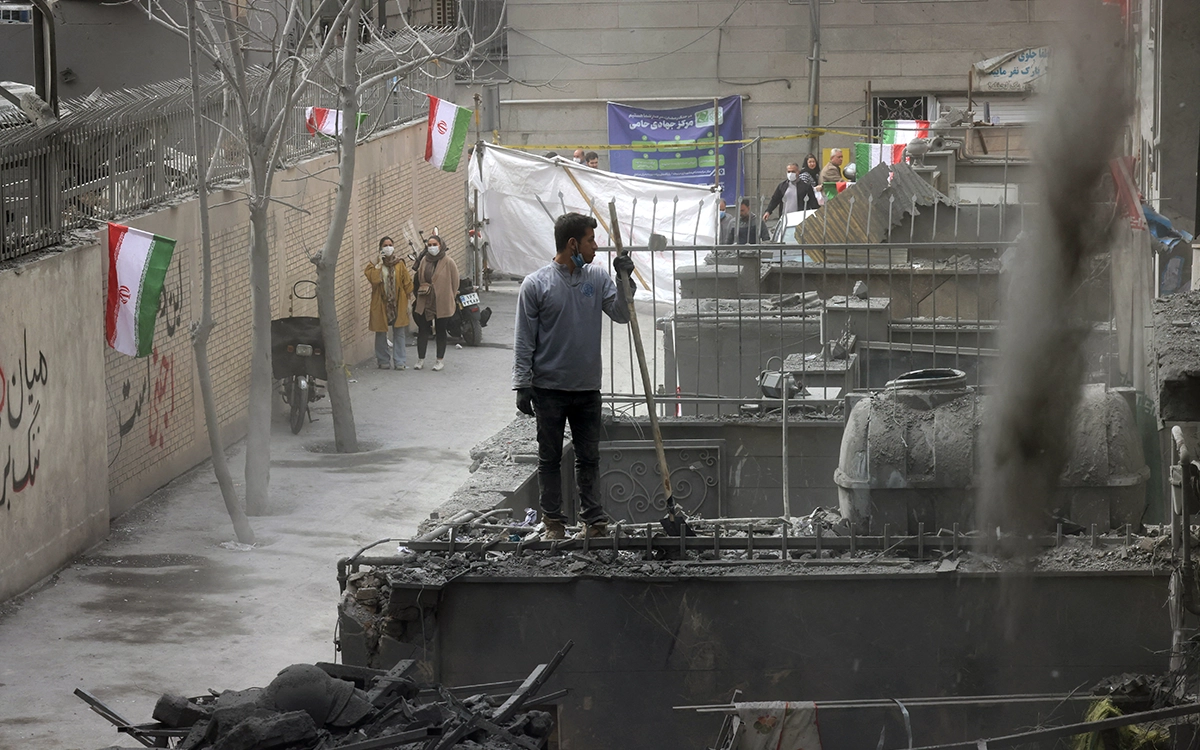
The responses of African states to the conflict reveal a broader strategic pattern. Most governments pursue a policy of cautious neutrality, attempting to avoid entanglement in a war that could have unpredictable consequences. A similar pattern emerged after the outbreak of the Russia–Ukraine war, when many African states declined to align firmly with either Western powers or Moscow, instead advocating dialogue and multilateral diplomacy.
At the same time, subtle differences in national positions highlight the diversity of political and economic interests across the continent. Countries with strong security partnerships with the United States lean toward Washington’s diplomatic framing, while those with historical ties to Iran or a stronger identification with Global South diplomacy may adopt more critical positions.
For now, Africa’s role in the Iran conflict remains largely diplomatic rather than direct. Yet the conflict’s global implications ensure that developments in the Middle East will continue to affect the continent. Whether through energy markets, trade disruptions, or shifting geopolitical alliances, the war is likely to influence the strategic calculations of African policymakers in the months ahead. In the immediate term, African governments appear united around one principle: preventing further escalation. Calls for restraint, dialogue, and international mediation continue to dominate official statements, reflecting both a normative commitment to diplomacy and a pragmatic recognition of the continent’s vulnerabilities.
Africa’s role in the Iran conflict remains largely diplomatic rather than direct. Yet the conflict is likely to influence the strategic calculations of African policymakers
Civil society actors share these concerns and understand the potentially great cost of escalation. As Rafsanjani warned, “we are appealing to the international community and the countries involved to engage in dialogue and diplomatic solutions for the sake of humanity.”
As the conflict unfolds, Africa’s diplomatic balancing act will likely become even more complex. The challenge for policymakers will be maintaining neutrality while protecting national interests and political stability in an increasingly volatile geopolitical landscape.